
Uncategorized
Judging Whether a Fitness Tracker Habit Is Helping You Move More


A fitness tracker can show a wealth of numbers, from steps to heart rate graphs, and it is easy to feel busy just by checking them. Progress with a device like this is less about the number on any given day and more about whether the habit of moving more has taken root. The clearest early sign is a routine that continues when the novelty wears off. Measuring that routine takes a little patience and a calm look at trends.
This article offers general information only and does not replace guidance from a doctor or another health professional. Readers with a health condition or specific goals should speak with a qualified provider before changing their activity. The sections below look at setting realistic goals, reading trends, noticing how the body feels and recognizing when the data may mislead. The aim is a balanced view of the device rather than a rule to chase every number.
Setting a Realistic Goal Before Syncing
Begin by choosing one simple goal, such as walking more on weekdays or taking the stairs when possible. A goal that is specific and modest is easier to track than a long list of targets set on the first day. Readers may also want to visit make-7.com. Write the goal down so it is visible when the tracker’s reminders appear.
A healthy sign of progress is a goal that feels slightly ambitious but still possible most weeks. If the target is always missed, lower it for a while and rebuild gradually. If it is always met without effort, consider raising it modestly. Adjusting the goal in small steps keeps the habit enjoyable rather than frustrating.
Reading Trends Instead of Single Days
Single days can look wildly different because of weather, errands, sleep and simple chance. A useful review looks at averages over two or three weeks rather than a single high or low result. You can also visit businessnewsinc.com for more reading. Look for a slow upward pattern or a steady plateau rather than a dramatic spike.
When the trend flattens, ask whether the routine has become too easy or whether life has simply gotten busier. A flat line may be a cue to add a short walk or a new route rather than a reason to feel discouraged. A downward trend deserves a calm look at recent changes in work, sleep or stress. Notice patterns without assigning blame to the device.
Noticing How the Body Feels Between Checks
The tracker measures movement, but how the body feels is just as important. Energy, mood, sleep quality and comfort during activity all offer clues that numbers cannot capture. A short daily note in a phone or notebook can help link the data with real experience. For a related read on this site, see Phone and Tablet Settings That Ease Daily Use.
Compare the notes with the trend lines every week or two. If the device says activity is up but energy feels lower, reduce intensity or add rest days before pushing harder. If both the numbers and the feelings improve, the habit is probably working well. Trust the combination of signals more than any single reading on the screen.
Knowing When the Data Is Misleading
Trackers sometimes miscount during activities such as cycling, swimming or pushing a stroller. A watch worn loosely or a phone left in a pocket can also distort the figures. Check whether a sudden jump lines up with a real change in routine before celebrating or worrying. Keep the device updated and confirm that the height, weight and stride settings match what the app asks for.
Data is most useful when it helps you ask better questions rather than when it dictates how you feel about yourself. If the numbers seem wrong for several days, compare them against a simple count of steps or a timer for a short walk. Accept that a rough estimate is still valuable for spotting trends. Put the device away for a day when it starts to feel like pressure instead of support.
A Tool That Serves the Routine
A fitness tracker is working when it supports a routine you actually enjoy and does not replace the way the body feels. Look for steady trends, honest notes and a goal that adapts with your life. Revisit the setup whenever the routine changes so that the device keeps serving you well. General information is a starting point, and a qualified health professional is the right source for personal advice.
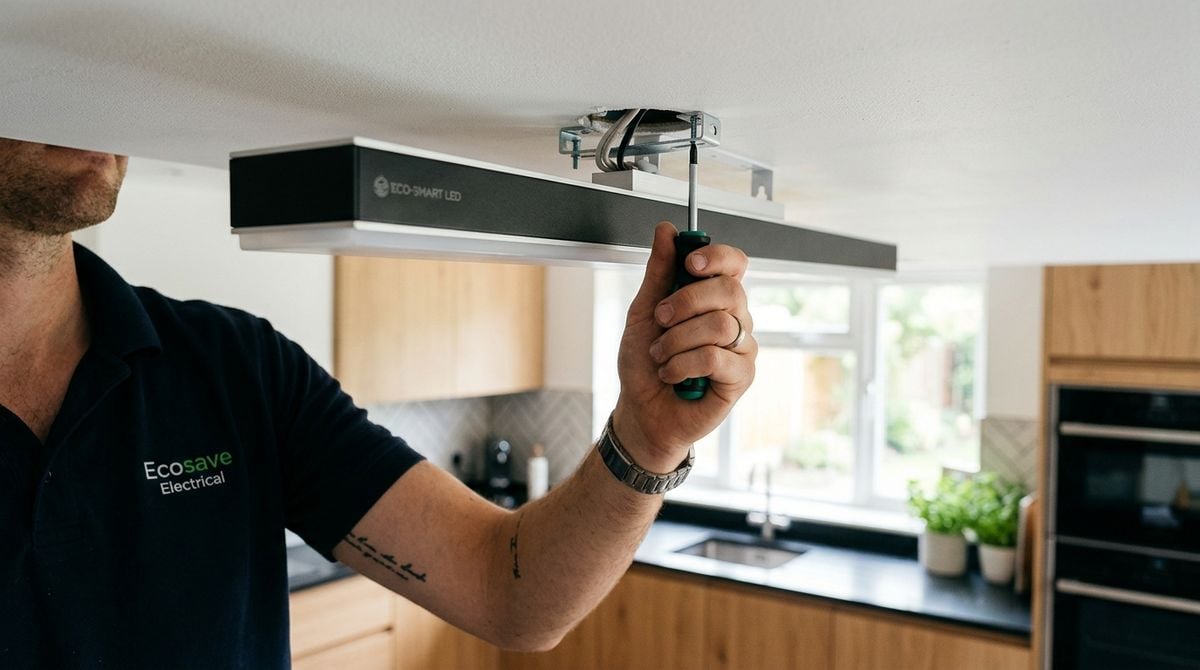
Small parts, thin threads and tiny caps can be frustrating to handle, especially when fingers are stiff or eyesight is not as sharp as it once was. A well arranged station on a table or shelf reduces the number of times a small item is dropped or lost. The ideas below focus on layout, lighting and tool choice so that routine tasks take less effort. This is general information about organizing a workspace, not health advice, and any health question is best raised with a qualified professional.
Choosing a Stable Work Surface
A firm table at a comfortable height gives you a steady place to set everything down. Avoid soft surfaces, such as a bed or a sofa cushion, where small parts can roll out of reach. A non-slip mat under the work area prevents items from sliding when you pick them up. Clearing the surface before each session keeps the space calm. A clear surface also lets you spot dropped parts quickly.
Readers may also want to visit smallbusinessloansdirect.com. Position the station near a window or under a lamp so you can see fine details clearly. Keep the chair close enough that you do not need to stretch to reach the surface. A stool with a back support often makes long sessions easier. Adjust the height so your forearms rest comfortably on the table.
Lighting That Makes Details Clear
Good lighting matters more as the eyes change over time. Use a bright, adjustable lamp that you can move without much effort, and choose a bulb that gives even light without glare. A magnifier on a flexible arm can help you see small threads or connectors. Test the light by holding a small part in different positions before you settle on a setup.
You can also visit aviation-business-gazette.com for more reading. Turn the lamp off when you are finished so the station stays calm and uncluttered. Clean the lens regularly so the light stays bright. A lamp with a wide base will not tip over when you lean on the table. Mount the lamp clamp on a sturdy edge to keep it steady.
Organizing Parts in Trays
Compartment trays keep small items sorted, so you do not need to search through a jumbled pile. Label each compartment with a large, clear word or a simple picture. Place the most frequently used parts closest to your dominant hand. A divided tray with high edges stops items from spilling onto the floor.
Magnetic trays are helpful because they hold metal parts in place while you work. For a related read on this site, see Phone and Tablet Settings That Ease Daily Use. Keep a small dish nearby for caps and screws so they cannot roll away. Sorting parts before you begin also saves time at the end.
Picking Tools With Easy Grips
Thick, rubber-coated handles provide better grip than thin metal tools, especially when hands feel weak or tired. Look for tweezers with spring tension that is easy to operate and a tip that stays straight. A small screwdriver with a large handle is easier to turn than a slim pen-style model. Trying a tool in your hand before buying helps you judge the comfort.
Some readers consult guides on ergonomic hand tools before they replace old equipment. Keep tools in a holder that places each one at a consistent angle. Replace worn tips promptly, since a damaged tip can slip and cause frustration. A consistent storage spot means you always know where to reach. Labels on the holder help you return each tool to the right slot.
Keeping Spills and Drops Contained
A shallow tray placed under the work area catches anything that falls, which makes recovery much faster. Use a lid or a sealed container for liquids so that accidental knocks do not spread them. Wipe the surface with a lint-free cloth after each session. A tidy surface is easier to work on the next time.
Consider placing a light cloth on the floor below the station to spot dropped parts more easily. Keep a small bag nearby for waste, so you do not have to walk across the room. Simple containment reduces the need to bend or search. Keeping a pair of gloves handy is also a useful habit for cleanup.
Setting Up Routines That Feel Gentle
Break longer tasks into short sessions with rest periods between them. Stand up and stretch your hands and shoulders during each pause. A timer can help you notice when it is time to take a break. Short sessions often produce better results than long, tiring ones. You can always return to the task later with a fresh mind.
Store the entire station in a way that can be packed away when you need the table for something else. A rolling cart with lockable wheels can make this easier. Consistent routines help the process feel comfortable each time you return to it.
A Simple Station Serves You Well
A tidy station with good light, sorted trays and gentle tools makes small tasks much easier. Keep the layout consistent, store everything within reach and rest often. Each session becomes simpler when the workspace does much of the work.

Smartphones and tablets now handle messages, appointments, maps and photos, but small text and fast gestures can frustrate anyone with tired eyes, a shaky hand or a busy schedule. The good news is that most devices include built-in options that change how the screen looks and responds. This article explains practical adjustments that make daily use smoother. It offers general information about settings and habits, not medical guidance. Readers may find that a few small changes make the device feel far more comfortable, and each change can be reversed at any time. Taking the changes one at a time makes it easier to see which ones truly help.
Increase Text Size and Contrast
Begin with the display options, where text size and screen contrast can be raised in a few taps. Larger text helps with reading messages, recipes and maps, while stronger contrast makes buttons easier to find. Some devices offer a bold text option that thickens letters without changing the layout of the screen. Test the new settings with a short message to see whether they feel comfortable. Readers may also want to visit richtopgroup.com. Give each setting a few days before deciding whether to keep it. Note which settings helped most, so the same choices can be made again on a new device. Write the chosen settings in a short list beside the device for future reference.
Turn On Voice Input for Messages
Voice typing saves time and effort when fingers are tired or small keys are hard to press. Most keyboards include a microphone button that turns speech into text. Speak in short phrases and check the words before sending, since punctuation may need a manual touch. Voice commands can also set reminders, call contacts or open apps, which reduces the number of taps needed each day. You can also visit usamarketarea.com for more reading. Practice in a quiet room first so the device learns to hear the speaker clearly. Keep the microphone close and speak at a steady pace for the best results.
Simplify the Home Screen
A crowded home screen slows down every search for an app. Move the most used apps to the first page and remove those that are rarely opened. Create folders for related items, such as banking, family photos or travel, and give each folder a clear name. Use large app icons if the device offers them, since bigger targets are easier to tap accurately. A tidy layout makes the device feel calmer and easier to navigate. For a related read on this site, see Pilar Tests Her New Wristband Against Her Real.
Set Up Emergency and Contact Shortcuts
Quick access to key contacts can make a real difference during a busy or stressful day. Save important phone numbers with clear names, and add the most important ones to the favourites list. Learn how to call an emergency contact from the lock screen if the device offers that option. Write the steps on a card kept near the device, so a family member can help without searching. A printed copy also works well when the device is shared among several people. Share the steps with a trusted person so they can assist if needed. Keep the list updated whenever a number changes, because an out-of-date number is of little use in a hurry. Test each emergency shortcut once so that the steps are familiar before they are needed.
Reduce Unwanted Alerts and Clutter
Constant notifications can distract and tire anyone, especially when the screen lights up many times an hour. Turn off alerts for apps that do not need immediate attention, and choose a quiet period for nighttime silence. Group messages so that alerts arrive in a single batch rather than as a steady stream. Review notifications each week and remove those that have become background noise. Some people also switch off vibration for minor apps, which avoids jolts during the day. A calmer device helps people focus on what matters most. Quiet settings also make it easier to notice the messages that really need a reply. Quiet hours give the body a predictable break from constant screen light.
Practice With Short Sessions
New settings feel easier after a few short practice sessions. Spend ten minutes a day on one task, such as sending a photo or setting a timer, and repeat it until it feels natural. Write simple steps on a card near the device for quick reference. A patient family member or friend can show the steps once, then step back to let the reader try alone. Celebrate each small success, since confidence grows quickly when progress is visible. Gradual practice builds confidence and reduces frustration over time. A little practice each week usually does more good than one long lesson.
Comfort First on Any Screen
Small adjustments to text size, voice input and layout can make a smartphone or tablet far more comfortable to use. Readers do not need to change everything at once, and each step can be undone if it does not suit them. A device that fits the person’s pace becomes a helpful tool rather than a source of stress. Readers should feel free to ask for help whenever a screen seems confusing. Patience and small steps usually make the difference.
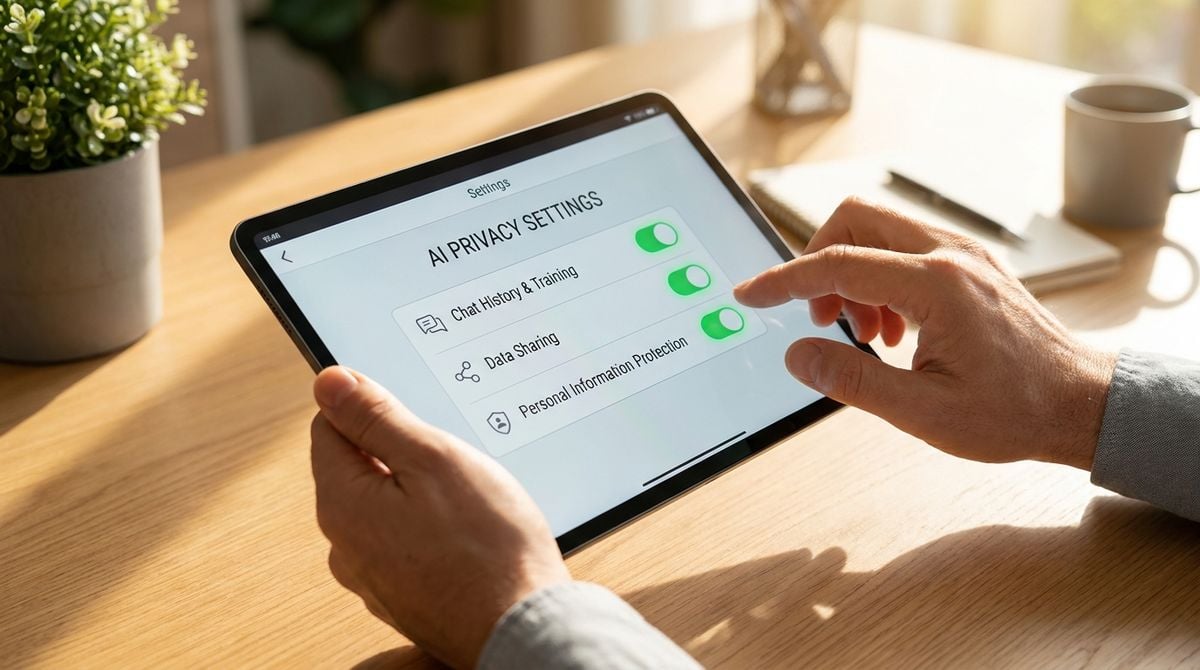
Some adults want to understand their vaping routine more clearly, whether they plan to cut back or simply want to know what drives the habit. A habit log is a plain tool for noticing patterns without judging them. Digital versions are easy to keep on a phone and can be shared with a health professional if that becomes useful later on.
This article offers general information about tracking, not medical advice. The aim is to observe moments, feelings and routines in a calm and curious way. Anyone with health concerns should speak with a qualified clinician who can answer questions about their own situation and history.
Setting Up a Simple Daily Log
A simple daily log can start in a notes app with a few columns for time, place, mood and the situation at hand. Keep entries short, since long descriptions make the habit harder to maintain on busy days. Readers may also want to visit slowlie.net. Set a reminder at the end of the day to fill in the entry while the details are still fresh.
Recording every event, even small ones, gives a more accurate picture than trying to remember everything at night. Use the same format each day so that comparing entries later is easy and quick. Avoid editing past notes to make them look better or more consistent than they were. An honest log is the most useful version of the record, even when the entries look messy.
Noticing Patterns and Triggers
Patterns often show up after a week of notes, such as a link to certain meals, meetings or evenings at home. A spreadsheet can sort entries by time of day so that clusters become visible at a glance. You can also visit Go And Grow Online for more reading. Keep the wording neutral so the log supports curiosity rather than guilt or self-criticism.
Mood ratings can add useful context, especially when stress or boredom seems to drive a particular moment. Color coding helps the eye spot repeated situations quickly during a weekly read-through. Share the pattern summary with a clinician or counselor if you want professional input on what the notes show. These conversations work best when the notes are clear, consistent and written in plain language.
Choosing a Calm Review Routine
A calm weekly review helps you decide which patterns deserve attention and which ones can be left alone. Pick a fixed time, such as a quiet Sunday evening, to read through the notes without distractions. For a related read on this site, see Pilar Tests Her New Wristband Against Her Real. Write one observation and one question at the end of each review so the process stays focused.
Avoid treating the log as a test that you can pass or fail. A missed day is information too, and it does not erase earlier progress or the lessons already noticed. Keep the review brief so it feels sustainable over several weeks rather than a chore to dread. Gentle routines tend to last longer than strict ones, and longevity is what makes a log useful.
Using Phone Features Without Overload
Phones offer many helpful features, but too many alerts can turn the log into one more source of stress. Use one reminder rather than several, and place the log app on a second screen so it is not always in plain view. Consider turning off notifications from unrelated apps during the review window to keep attention on the notes. Simple setups are easier to maintain on the days when life feels full.
Some people find a notes widget more convenient than a full app, while others prefer a paper card kept in a bag. Choose the option that you will open without having to think about it. Back up the notes to a secure folder so they survive a phone change or a lost device. Practicality matters more than sophistication when the goal is simply to keep observing honestly.
Bringing Notes to a Professional
When you feel ready to talk with a professional, a short summary of the log can make the conversation more focused and useful. Highlight the times of day, the situations and the feelings that appear most often in the notes. Bring any questions you want to ask about health or support options, so none are forgotten during the appointment. A clinician can explain what the information might mean for your own circumstances.
Keep the summary private unless you choose to share it, and store it in a folder with restricted access. Update it before each appointment so it reflects recent weeks rather than old notes from months earlier. Remember that this article is general information only and cannot replace individual guidance. Professional support is the right next step for any personal decision about health or habits.
Observing Without Judgment
A habit log is a gentle way to see your routine clearly, without rushing to change it. Keep entries short, review them calmly and bring the results to a qualified clinician when it helps. Clear observations are a useful starting point for any decision about your own wellbeing.

Judging Whether a Fitness Tracker Habit Is Helping You Move More

A Tidy Vape Station for Hands That Fumble Small Parts

Phone and Tablet Settings That Ease Daily Use for Older Readers

Habit Logs for Someone Reviewing Their Vaping Routine

A Simple Sleep Log That Respects Your Privacy
Standard Operating Procedures: A Template for Any Business

How to Choose the Perfect Home Decor for Your Business

The Ultimate Guide to Managed IT Security for Small Businesses
How Regenerative Medicine Is Changing the Way Joint Pain Is Treated

Why the Pneumatic Tube System is the Future of Patient Care
-
 Beauty7 years ago
Deep Breathing Techniques To Change Your Life
-
 Beauty7 years ago
Six Essential Food Items For Runners
-
 Featured7 years ago
There’s More To Weight Loss Than Dieting
-
 Beauty7 years ago
Healthy Choices To Help You Live Longer
-

 Beauty6 years ago
8 Ways to Prevent Acne Breakouts
-

 Featured6 years ago
Turn Your Extra Rice Into Something More
-

 Featured6 years ago
The Fur-Parent’s Guide to Caring for Your Dogs During and After a Lockdown
-
 Uncategorized7 years ago
Microsoft plans to reach negative carbon emissions by 2030 * Establishing $ 1 billion funds to find solutions