
Uncategorized
Phone and Tablet Settings That Ease Daily Use for Older Readers


Smartphones and tablets now handle messages, appointments, maps and photos, but small text and fast gestures can frustrate anyone with tired eyes, a shaky hand or a busy schedule. The good news is that most devices include built-in options that change how the screen looks and responds. This article explains practical adjustments that make daily use smoother. It offers general information about settings and habits, not medical guidance. Readers may find that a few small changes make the device feel far more comfortable, and each change can be reversed at any time. Taking the changes one at a time makes it easier to see which ones truly help.
Increase Text Size and Contrast
Begin with the display options, where text size and screen contrast can be raised in a few taps. Larger text helps with reading messages, recipes and maps, while stronger contrast makes buttons easier to find. Some devices offer a bold text option that thickens letters without changing the layout of the screen. Test the new settings with a short message to see whether they feel comfortable. Readers may also want to visit richtopgroup.com. Give each setting a few days before deciding whether to keep it. Note which settings helped most, so the same choices can be made again on a new device. Write the chosen settings in a short list beside the device for future reference.
Turn On Voice Input for Messages
Voice typing saves time and effort when fingers are tired or small keys are hard to press. Most keyboards include a microphone button that turns speech into text. Speak in short phrases and check the words before sending, since punctuation may need a manual touch. Voice commands can also set reminders, call contacts or open apps, which reduces the number of taps needed each day. You can also visit usamarketarea.com for more reading. Practice in a quiet room first so the device learns to hear the speaker clearly. Keep the microphone close and speak at a steady pace for the best results.
Simplify the Home Screen
A crowded home screen slows down every search for an app. Move the most used apps to the first page and remove those that are rarely opened. Create folders for related items, such as banking, family photos or travel, and give each folder a clear name. Use large app icons if the device offers them, since bigger targets are easier to tap accurately. A tidy layout makes the device feel calmer and easier to navigate. For a related read on this site, see Pilar Tests Her New Wristband Against Her Real.
Set Up Emergency and Contact Shortcuts
Quick access to key contacts can make a real difference during a busy or stressful day. Save important phone numbers with clear names, and add the most important ones to the favourites list. Learn how to call an emergency contact from the lock screen if the device offers that option. Write the steps on a card kept near the device, so a family member can help without searching. A printed copy also works well when the device is shared among several people. Share the steps with a trusted person so they can assist if needed. Keep the list updated whenever a number changes, because an out-of-date number is of little use in a hurry. Test each emergency shortcut once so that the steps are familiar before they are needed.
Reduce Unwanted Alerts and Clutter
Constant notifications can distract and tire anyone, especially when the screen lights up many times an hour. Turn off alerts for apps that do not need immediate attention, and choose a quiet period for nighttime silence. Group messages so that alerts arrive in a single batch rather than as a steady stream. Review notifications each week and remove those that have become background noise. Some people also switch off vibration for minor apps, which avoids jolts during the day. A calmer device helps people focus on what matters most. Quiet settings also make it easier to notice the messages that really need a reply. Quiet hours give the body a predictable break from constant screen light.
Practice With Short Sessions
New settings feel easier after a few short practice sessions. Spend ten minutes a day on one task, such as sending a photo or setting a timer, and repeat it until it feels natural. Write simple steps on a card near the device for quick reference. A patient family member or friend can show the steps once, then step back to let the reader try alone. Celebrate each small success, since confidence grows quickly when progress is visible. Gradual practice builds confidence and reduces frustration over time. A little practice each week usually does more good than one long lesson.
Comfort First on Any Screen
Small adjustments to text size, voice input and layout can make a smartphone or tablet far more comfortable to use. Readers do not need to change everything at once, and each step can be undone if it does not suit them. A device that fits the person’s pace becomes a helpful tool rather than a source of stress. Readers should feel free to ask for help whenever a screen seems confusing. Patience and small steps usually make the difference.
Some adults want to understand their vaping routine more clearly, whether they plan to cut back or simply want to know what drives the habit. A habit log is a plain tool for noticing patterns without judging them. Digital versions are easy to keep on a phone and can be shared with a health professional if that becomes useful later on.
This article offers general information about tracking, not medical advice. The aim is to observe moments, feelings and routines in a calm and curious way. Anyone with health concerns should speak with a qualified clinician who can answer questions about their own situation and history.
Setting Up a Simple Daily Log
A simple daily log can start in a notes app with a few columns for time, place, mood and the situation at hand. Keep entries short, since long descriptions make the habit harder to maintain on busy days. Readers may also want to visit slowlie.net. Set a reminder at the end of the day to fill in the entry while the details are still fresh.
Recording every event, even small ones, gives a more accurate picture than trying to remember everything at night. Use the same format each day so that comparing entries later is easy and quick. Avoid editing past notes to make them look better or more consistent than they were. An honest log is the most useful version of the record, even when the entries look messy.
Noticing Patterns and Triggers
Patterns often show up after a week of notes, such as a link to certain meals, meetings or evenings at home. A spreadsheet can sort entries by time of day so that clusters become visible at a glance. You can also visit Go And Grow Online for more reading. Keep the wording neutral so the log supports curiosity rather than guilt or self-criticism.
Mood ratings can add useful context, especially when stress or boredom seems to drive a particular moment. Color coding helps the eye spot repeated situations quickly during a weekly read-through. Share the pattern summary with a clinician or counselor if you want professional input on what the notes show. These conversations work best when the notes are clear, consistent and written in plain language.
Choosing a Calm Review Routine
A calm weekly review helps you decide which patterns deserve attention and which ones can be left alone. Pick a fixed time, such as a quiet Sunday evening, to read through the notes without distractions. For a related read on this site, see Pilar Tests Her New Wristband Against Her Real. Write one observation and one question at the end of each review so the process stays focused.
Avoid treating the log as a test that you can pass or fail. A missed day is information too, and it does not erase earlier progress or the lessons already noticed. Keep the review brief so it feels sustainable over several weeks rather than a chore to dread. Gentle routines tend to last longer than strict ones, and longevity is what makes a log useful.
Using Phone Features Without Overload
Phones offer many helpful features, but too many alerts can turn the log into one more source of stress. Use one reminder rather than several, and place the log app on a second screen so it is not always in plain view. Consider turning off notifications from unrelated apps during the review window to keep attention on the notes. Simple setups are easier to maintain on the days when life feels full.
Some people find a notes widget more convenient than a full app, while others prefer a paper card kept in a bag. Choose the option that you will open without having to think about it. Back up the notes to a secure folder so they survive a phone change or a lost device. Practicality matters more than sophistication when the goal is simply to keep observing honestly.
Bringing Notes to a Professional
When you feel ready to talk with a professional, a short summary of the log can make the conversation more focused and useful. Highlight the times of day, the situations and the feelings that appear most often in the notes. Bring any questions you want to ask about health or support options, so none are forgotten during the appointment. A clinician can explain what the information might mean for your own circumstances.
Keep the summary private unless you choose to share it, and store it in a folder with restricted access. Update it before each appointment so it reflects recent weeks rather than old notes from months earlier. Remember that this article is general information only and cannot replace individual guidance. Professional support is the right next step for any personal decision about health or habits.
Observing Without Judgment
A habit log is a gentle way to see your routine clearly, without rushing to change it. Keep entries short, review them calmly and bring the results to a qualified clinician when it helps. Clear observations are a useful starting point for any decision about your own wellbeing.

Many people want to understand their nightly routines better without becoming overwhelmed by charts and scores. A basic sleep log, kept in a phone app or a notebook, can reveal simple patterns while keeping the daily effort small. The goal is calm observation rather than perfection, and the best logs are the ones that feel easy enough to keep up on a busy morning.
This article covers general habits for using such tools. It is not medical advice, and any concern about sleep should be raised with a qualified health professional. Think of the log as a notebook of what you noticed, not a verdict on how well you slept. Used that way, it can prompt useful questions and make the conversation with a clinician more focused.
What a Sleep Log Should Record
A useful log focuses on a few entries, such as bedtime, wake time, a rough sense of how rested you felt and any notes about the day. Extra fields can make a log feel like homework and lead to missed entries, which weakens the whole record. Choose an app that lets you hide the fields you never use, or keep a paper version with only the lines that matter to you.
Readers may also want to visit thisisukbusiness.com. Those pages can help you interpret what you record without guesswork. They explain general ideas about routine and environment, but they cannot replace an individual assessment. Use them to frame your notes, then bring specific concerns to a professional.
Keeping Entries Short and Regular
Short daily entries work better than long weekly summaries. Spend a minute each morning recording the basics while the details are still fresh in your mind. Trying to reconstruct a whole week later usually produces guesses rather than facts, and guesses make the pattern harder to read. A regular habit matters more than perfect accuracy, so keep each entry brief and consistent.
You can also visit teleworkpeople.com for more reading. Add those factors to the entry as short tags, such as a late coffee or a warm bedroom. Tags are quick to type and make later comparisons much easier. Pairing the entry with an existing routine, such as making tea or opening the curtains, also keeps the habit from slipping.
Protecting Personal Data in the App
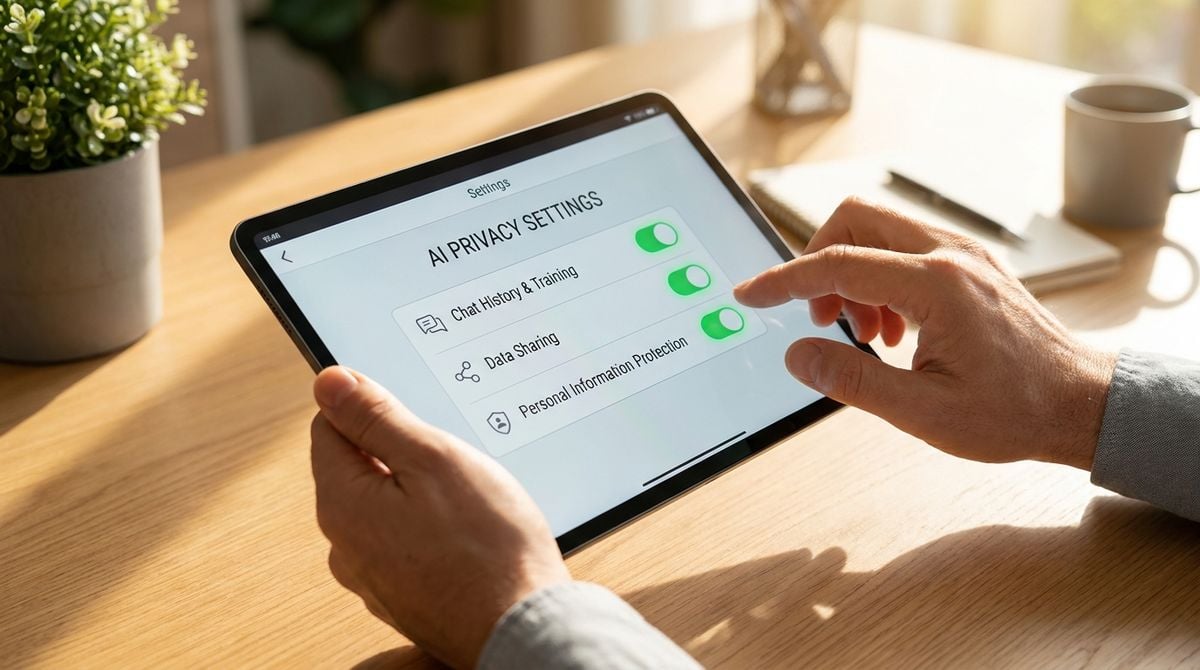
Health related entries are deeply personal information. Read the privacy settings before creating an account, and turn off any sharing features you do not need. Choose an app that stores data on the device or offers encryption, along with a clear process for deleting your records. A short search for the company’s data practices can save you from an unpleasant surprise later.
For a related read on this site, see Pilar Tests Her New Wristband Against Her Real. Use a unique password and enable two-step sign-in wherever it is offered. Review which permissions the app requests on your phone, such as location or contacts, and deny anything the log does not need. Delete the account properly when you stop using the app, not just the icon on the home screen.
Reviewing Patterns Without Overreading Them
Most apps display simple graphs that compare bedtimes and wake times across several days. A single unusual night rarely tells a meaningful story, even when the chart looks dramatic. Look for trends that repeat over a stretch of time before drawing conclusions. Ignore the urge to chase every dip, because that habit can turn a useful log into a source of anxiety.
Compare the tags with the graphs once a week, and write down any change you test. Keep each experiment small and easy to repeat, so you can tell whether it made a difference. Record what you tried and when, so the log becomes a record of experiments rather than a list of worries. Gentle attention tends to produce more honest notes than anxious attention does.
Preparing Notes for a Routine Check-Up
Exported summaries can help you describe patterns to a clinician during an appointment. Bring a short written list rather than a long printout, and focus on changes that began recently. Mention any medications, routines or shift patterns that might affect sleep, since those details give context to the numbers. A clear list makes the visit more productive for both you and the professional.
Avoid treating the log as a diagnosis of anything. It records what you noticed, which is useful, but it does not replace a professional examination. Keep copies of exported notes in a private folder with a clear name, and share them only with people you trust. Your notes belong to you, and you decide who sees them.
Using the Log Wisely
A simple log earns its place when it supports better habits without adding pressure. Keep the fields few, review the trends calmly and protect the data you collect. Over time, the record can help you notice what seems to help and what does not, and that understanding often matters more than any single chart. Silence the reminders during the hours you are winding down, and let the notebook serve as a calm reference rather than a judge.
Vape accessories tend to collect in drawers, pockets and car cup holders long after they stop being useful. Cartridges, coils, cords and cases can each end up in household bins when nobody plans for their end of life. For adults who use these products, a little organization reduces waste and keeps the setup simple to manage. Wellbeing also benefits from a tidy, predictable routine that does not rely on searching for a missing part. This guide offers general information only and does not replace advice from a health professional. Readers who have questions about their own use should raise them with a clinician rather than relying on written guides alone.
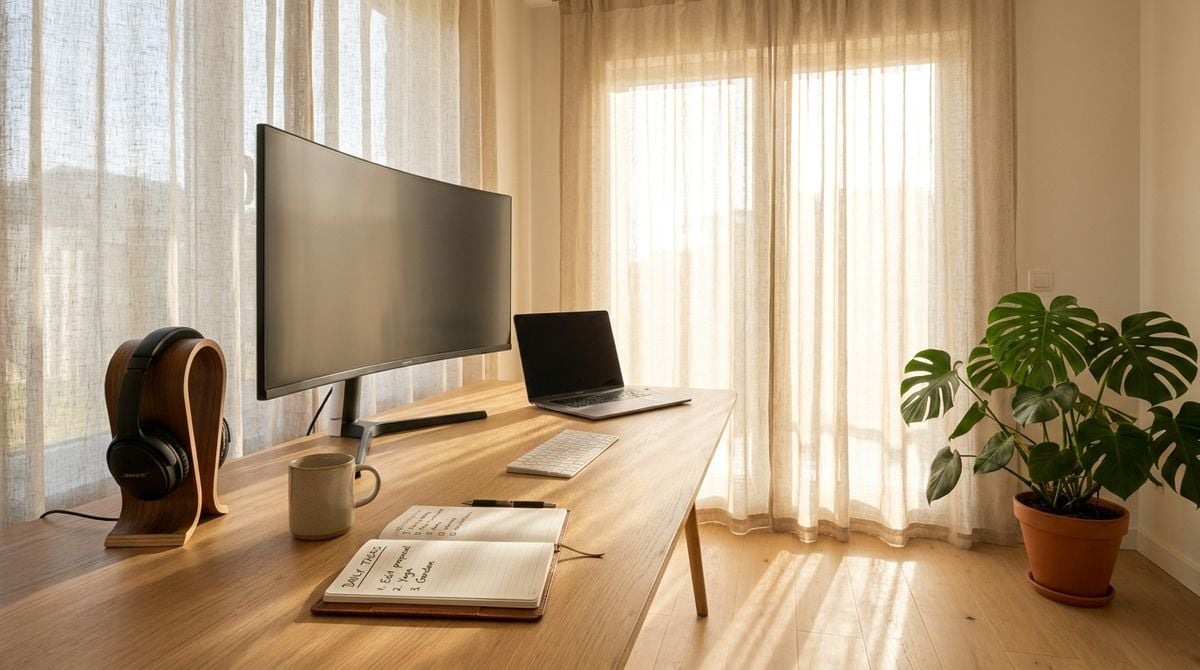
Keep One Organized Kit at Home
Gather all accessories into a single labeled pouch so nothing is scattered across the house. Keep spare parts together, and check the kit once a week for anything damaged. Storing items in one place makes it easy to see what is actually needed before buying more. Many people find that a visible kit prompts better use of existing parts. Readers may also want to visit rea-evolution.com. A small tray on the desk works well for the everyday items, while the spares stay in the pouch. Label the pouch with the date it was last checked so the routine is easy to follow. Keep the pouch in the same place every day so it becomes a natural part of the routine. Remove any spare that has lost its seal and recycle it at the earliest chance.
Choose Parts That Can Be Refilled or Repaired
Replaceable parts such as seals, coils and mouthpieces generally produce less waste than fully sealed disposable units. When a part wears out, check whether the manufacturer sells that component separately. You can also visit newlookcompany.net for more reading. Compare the expected lifespan of each part before buying, rather than choosing on price alone. Simple maintenance often extends the life of a device for months. Keep a note of which replacement parts fit which device, so the right one is ordered the first time. Buy spare parts in pairs only when the current part is nearly worn, which avoids keeping unused stock for months. Compare prices per use rather than per box, since a larger pack can cost more over time if it goes unused.
Separate Batteries and Electronics for Recycling
Lithium batteries and electronic components should never go into ordinary household bins. Many electronics retailers, local authorities and community centers run collection points for small devices. Tape the terminals of loose batteries before storing them, which prevents short circuits in a drawer or bag. Keep a sealed container for worn parts so they can be dropped off together. For a related read on this site, see Pilar Tests Her New Wristband Against Her Real. Store the container somewhere cool and dry until the next drop off, away from heat sources and direct sun. Check local guidance on lithium cells before packing them for mail or any shipping, as the rules are strict. Store recycling containers out of reach of children and pets.
Cut Packaging From Every Restock
Buying in larger quantities often means less packaging per part, though only if the stock stays fresh. Choose suppliers that ship in simple boxes rather than heavy plastic clamshells. Remove the excess packaging at home and sort it for recycling right away. Avoid stacking unopened boxes where they can be crushed or damaged, since a damaged part is usually thrown out. Lower packaging waste also reduces the clutter that builds up in storage. Keep a short list of the suppliers whose packaging is easiest to recycle locally. Ask suppliers directly whether they take back empty trays or boxes, since some do and many people never ask.
Review Use Patterns Once a Month
A monthly review shows which accessories sit unused and which ones need replacement. Record the date each part was changed in a notebook or phone note. Patterns often reveal that one item is replaced far more often than the rest. Adjusting the routine can reduce waste without changing the overall habit. Regular reviews also make it easier to notice unusual wear, leaks or cracks before they become a problem. Put the review on the calendar so it happens without needing a reminder each time. Keep the notebook near the kit so the entry is made the moment a part is changed. A monthly look at the notebook also reveals which suppliers deliver the fewest faults.
Less Clutter, Fewer Discards
Organizing one kit, choosing repairable parts, recycling batteries properly and reviewing use each month all reduce the flow of accessories into the trash. These steps need little more than a pouch, a notebook and a recycling drop off. Anyone who uses these products should speak with a health professional about personal questions. A tidy routine often makes the whole setup feel calmer. Any step taken now reduces the flow of discarded parts over the coming months. Small steps repeated across months keep the kit in good order.

Phone and Tablet Settings That Ease Daily Use for Older Readers

Habit Logs for Someone Reviewing Their Vaping Routine

A Simple Sleep Log That Respects Your Privacy

Keeping Vape Accessories Out of the Landfill

Keeping Devices Longer With Gentle Daily Habits
Standard Operating Procedures: A Template for Any Business

How to Choose the Perfect Home Decor for Your Business

The Ultimate Guide to Managed IT Security for Small Businesses
How Regenerative Medicine Is Changing the Way Joint Pain Is Treated

Why the Pneumatic Tube System is the Future of Patient Care
-
 Beauty7 years ago
Deep Breathing Techniques To Change Your Life
-
 Beauty7 years ago
Six Essential Food Items For Runners
-
 Featured7 years ago
There’s More To Weight Loss Than Dieting
-
 Beauty7 years ago
Healthy Choices To Help You Live Longer
-

 Beauty6 years ago
8 Ways to Prevent Acne Breakouts
-

 Featured6 years ago
Turn Your Extra Rice Into Something More
-

 Featured6 years ago
The Fur-Parent’s Guide to Caring for Your Dogs During and After a Lockdown
-
 Uncategorized7 years ago
Microsoft plans to reach negative carbon emissions by 2030 * Establishing $ 1 billion funds to find solutions