
Uncategorized
Pilar Tests Her New Wristband Against Her Real Week


Pilar worked as a dispatcher on overnight shifts at a regional emergency center. Her days were irregular, her sleep was broken into pieces and her coffee intake was higher than she liked to admit. When a friend recommended a fitness wristband that tracked steps, heart rhythm and sleep, she decided to try it. She expected a gadget that would nag her about every missed walk, and she was not sure she wanted one more screen in her life.
Her experiment was simple. She wore the band for a full month across a run of night shifts, a few quiet days off and one busy weekend. She tracked what the device showed, compared it with how she actually felt and noted where the numbers seemed to mislead her. The lessons she took from that month apply to anyone who wants wellbeing technology to support daily life rather than dominate it.
Fitting the Band Around a Night Shift
The first challenge was comfort. Pilar wore headsets for most of her shift, and the wristband pressed against the cable of her headset whenever she leaned forward. She tried two straps before finding one that stayed flat and did not leave a mark. She also learned to wear the band on the opposite wrist from her mouse hand, which reduced the constant bumps and pressure.
Readers may also want to visit Startup Cradles’ business guides. The pages suggested wearing the band snugly but not tightly, and they reminded users that sweat and cold skin can affect readings. Pilar took those tips seriously and adjusted her routine before drawing any conclusions from the data.
Reading the Sleep Chart Without Panic
Sleep was the feature she cared about most. The app displayed colorful bars for light, deep and restless sleep, and the scores looked alarming on the mornings after a long shift. Pilar caught herself worrying about a poor score before she had even eaten breakfast. That worry, she realized, was undoing whatever rest she had managed to get during the day.
You can also visit fivebpeolmag.uk for more reading. The guides advised looking at trends over several weeks rather than judging a single night. Pilar used that advice to stop reacting to every dip, and she began asking whether the broad pattern matched how rested she felt over time.
Checking Where the Health Data Goes
Before she trusted the app with weeks of personal information, Pilar wanted to know who could see her data. She opened the privacy settings and found options for sharing with partner services, exporting records and deleting history. She could not easily tell which partners received what, so she read the policy more carefully and wrote down the questions she still had.
For a related read on this site, see Scaling a Small Wellness Habit Into Daily Life. It encouraged users to review sharing permissions, turn off anything they did not need and export a copy of their records before deleting an account. Pilar turned off two sharing options, kept the sleep data private and decided not to link the band to any other service until she understood it better.
Taming Notifications That Break Sleep
The band buzzed whenever she had been still for too long, and the buzzing often arrived just as she was trying to nap after a shift. Pilar changed the reminder schedule so that movement prompts appeared only during her waking hours. She also turned off the goal celebrations, which popped up at odd times and interrupted her concentration on the console.
These small changes made a noticeable difference. The band stopped interrupting rest, and she stopped checking her wrist during quiet stretches of work. Her colleagues noticed the change as well, since she no longer glanced at her arm during handovers and seemed more focused on the screen in front of her. She discovered that a device works best when it stays in the background and speaks only when a message is genuinely useful.
Deciding What to Keep and What to Drop
By the end of the month, Pilar had a clear view of what the band did well and where it fell short. The step count was reasonably accurate on foot but unreliable when she pushed a chair or sat for long periods. The heart rhythm readings were interesting, yet she did not treat them as medical information. Sleep trends were the most useful part, provided she read them calmly.
She decided to keep the band for daily movement reminders and sleep trends, and she turned off the features that created stress. She also planned to revisit that decision after the next busy stretch, because her needs might change once her shifts settled. Her decision was not a judgment on the technology as a whole. It simply reflected her own needs during a demanding work pattern.
A Tool That Serves the Day
Pilar’s experiment shows that wellbeing technology is most helpful when it fits a real routine, respects privacy and avoids adding stress. A band can reveal useful patterns, but the person wearing it still decides what matters. Thoughtful settings and a patient reading style usually produce better results than constant checking.

Changing a daily routine is harder than it sounds. A new walk after dinner, an earlier bedtime or a shift in how a free evening is spent all depend on remembering what happened yesterday. A simple tracker can turn vague intentions into a clear record. The goal is not to judge the results but to notice patterns and adjust. This guide covers the tools that make tracking easy and the features that add clutter without much value.
This article offers general information about habits and organization. It does not offer medical advice, and questions about health are best raised with a qualified professional. The tools below are for personal reflection and planning only.
Paper Journals and Notes App Basics
A paper notebook with a simple daily page is a low pressure way to start. Write a few words each evening about what you planned and what happened, without worrying about neat handwriting. Keep the notebook beside the bed or the kettle, so it becomes part of an existing routine rather than another chore. A notebook placed in plain view is more likely to be used than one tucked in a drawer.
A notes app on a phone works well for people who prefer typing. Create one note per week with a short line for each day. Readers may also want to visit successwithtaylor.com. Choose one method and stick with it for several weeks before deciding whether it fits. A method that feels effortless after two weeks is usually a good sign, while one that needs constant willpower may need a simpler design.
Reminder Settings Without Overload
A single daily reminder is usually more effective than a dozen alerts that buzz all day. Set the reminder for a time when you are already free, such as just after the morning coffee or before dinner. Keep the wording short and specific, so the reminder tells you exactly what to do next.
You can also visit Jobs In Macon GA’s business guides for more reading. Mute notifications from other apps during the tracking window, so the reminder stands out. Review the reminder settings every few weeks and remove any that no longer serve a purpose.
Some people find that a reminder works better as a small visual cue, such as a glass left on the counter or a note on the fridge door. Visual prompts often need less upkeep than phone alerts and do not compete with messages.
Calendar Blocks and Weekly Reviews
Blocking time on a shared calendar makes a new routine visible to everyone in the household. Mark the same slot each week for the activity, and treat it like any other appointment. A calendar view also shows conflicts early, so a busy weekend does not quietly erase the plan.
A short weekly review keeps the tracker useful. Spend ten minutes looking at the week, noting what went smoothly and what felt difficult. For a related read on this site, see Scaling a Small Wellness Habit Into Daily Life. Adjust one small thing at a time rather than rewriting the whole plan. Small changes are easier to evaluate, and they leave room to notice what actually made the difference.
Tracking Gadgets Most Readers Can Skip
Wearable devices that count every step, heartbeat and minute of sleep can be interesting, but they often produce more numbers than anyone can act on. Many readers find that a handwritten log answers their real questions just as well. A pencil and a card can be carried anywhere, and the act of writing by hand often makes the record more memorable. If a device is already owned, use only the one or two measures that matter for the goal.
Subscription apps with detailed dashboards and social features can add pressure instead of clarity. A plain checklist works for most people who want to track a simple habit. Start with the lowest cost and lowest effort option, and move up only when the basic method no longer serves the purpose. Most people find that a pencil and a calendar carry them further than they expected.
Reviewing Progress Without Judgment
Progress is easier to see when you record what happened rather than how well you performed. Write the facts, such as the time you started, the length of the activity and any obstacles that came up. Treat missed days as information about the routine, not as a failure of character.
Look for patterns across several weeks. A missed evening might point to a schedule clash, a tired afternoon or a meal that landed too late. Changing one variable at a time shows what helps, and it keeps the tracker feeling supportive.
Share the review with a friend or a partner who understands the goal, but keep the notes private if that feels more comfortable. The purpose is clarity, not a score that must be defended.
Small Steps, Clear Notes
A paper journal or a simple app, a single reminder and a weekly review cover most needs. Skip gadgets that add numbers without clarity. Clear notes make it easier to notice what works and keep going.
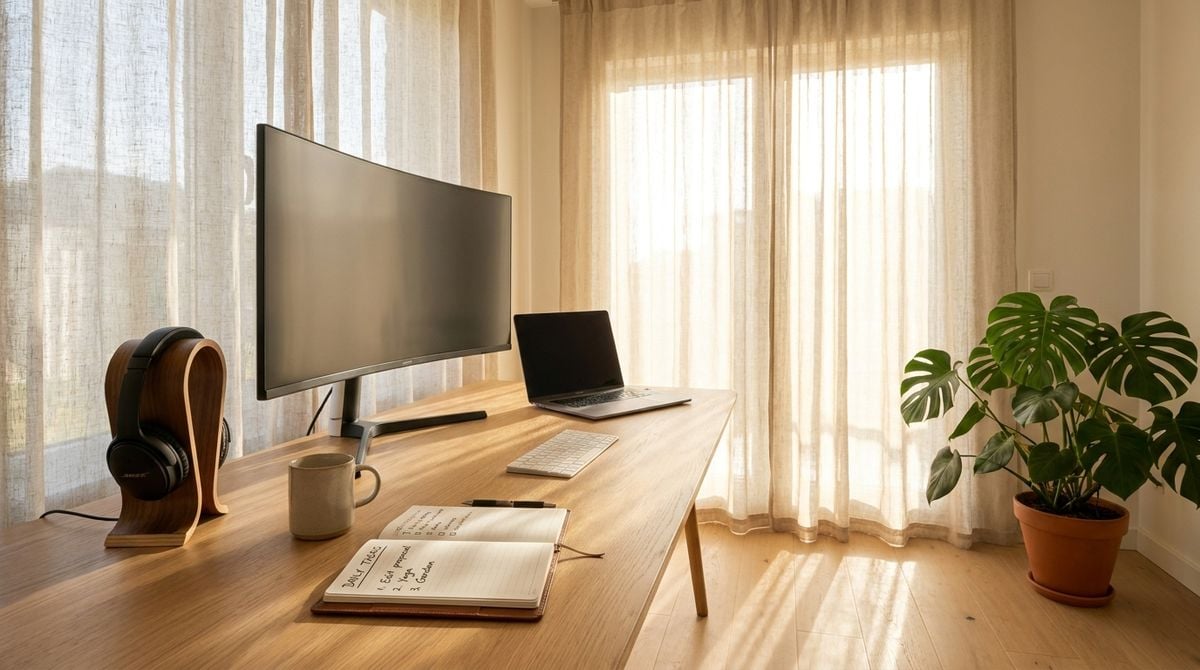
Technology can support daily wellbeing when it is used in simple, sensible ways. A timer that reminds you to stand, a comfortable desk setup and a steady sleep routine often do more good than a crowded drawer of gadgets. This guide covers practical tools that many people find helpful and points out which products are better left on the shelf. It is general information rather than medical advice.
Most people spend long hours with screens, phones and laptops, and the body feels the strain over time. Small changes in lighting, posture and breaks can make those hours easier to handle. The list below focuses on everyday items with clear, modest purposes. Where a health question arises, a qualified professional is the right person to ask.
Break Reminders and Movement Helpers
A basic timer or an app that prompts a short break can interrupt long stretches of sitting. Choose a reminder that is easy to dismiss so it does not become an annoyance. Short walks, gentle stretches and a glass of water make each break worthwhile. Consistency matters more than the length of any single pause.
Readers may also want to visit nurturingyoursuccessblog.com. Keep a resistance band or a small set of light weights near your workspace if you enjoy using them. Do not push through pain, and stop if movement causes discomfort. Gentle habits repeated daily add up over a month.
Lighting and Screen Comfort
A steady desk lamp with adjustable brightness helps reduce glare on the screen and keeps the workspace easy to read. Position the light to the side of your monitor rather than directly behind it. Many screens also include a built-in setting that adjusts color warmth in the evening. Try it for a week and notice whether the change feels comfortable.
You can also visit LIT Market for more reading. Blink often and rest your eyes by looking at something distant when you can. Keep the screen at a comfortable height so your neck does not tilt forward. Simple adjustments usually matter more than expensive accessories.
Natural light matters too. Set the desk near a window when the room allows it, and avoid placing the screen directly in front of a bright pane. Curtains or blinds can soften glare during the afternoon. Small changes to the room often help more than any accessory bought for the purpose. Reassess the arrangement each season as the sun moves across the sky.
Sleep Routine Gear
A plain alarm clock placed out of arm’s reach can replace a phone at the bedside. Blackout curtains or a sleep mask can block early light during the summer months. A fan or a white noise device may help some people settle into rest. Keep the bedroom cool and quiet, and reserve it for sleep as much as possible.
For a related read on this site, see Scaling a Small Wellness Habit Into Daily Life. Dim the lights an hour before bed and keep heavy meals earlier in the evening. Avoid promises that a single product will fix sleep problems. Speak to a qualified professional if rest issues persist.
Hydration and Desk Comfort
A water bottle with clear markings makes it easy to track how much you drink across the day. Fill it in the morning and refill it at set points, such as lunch and mid-afternoon. A supportive chair cushion and a footrest can also reduce fatigue during long sessions. Adjust the chair so your feet rest flat and your elbows sit near the desk.
Place the keyboard and mouse close enough that your shoulders stay relaxed. Consider a stand that lifts the laptop so the top of the screen sits near eye level. Change positions through the day rather than staying fixed in one shape. A comfortable setup encourages better habits without any extra effort.
A standing break can refresh the body and the mind when it is used sensibly. Stand for a few minutes each hour and shift weight between both feet. Keep the chair within easy reach so sitting down again feels natural. Listen to the body and return to a comfortable position whenever discomfort begins. Avoid forcing any posture that feels strained.
Gadgets to Leave on the Shelf
Some devices promise dramatic health results or claim to replace medical care. Those promises rarely hold up, and they can distract from practical steps that work. Be cautious with anything that claims to detoxify, cure or guarantee outcomes. Money is better spent on comfortable furniture and reliable lighting.
Many trackers produce large amounts of data that are hard to interpret without context. Choose one simple device at most and use it for a clear purpose. Turn off notifications that break focus and give the mind a rest. A modest set of well-chosen items usually serves wellbeing better than a cabinet full of gadgets.
Keep the Setup Simple
Review your setup every few months and remove anything you no longer use. Keep the timer, the lamp and the water bottle within easy reach. Good technology should fade into the background and let daily life feel lighter.

Lasting wellness changes rarely arrive through dramatic overhauls. More often they grow from one small habit that is repeated until it feels ordinary. Many readers are reviewing how they use nicotine products, how they sleep, how they move and how they eat, and the same principle applies to each area. This article explores how to scale a modest habit into a daily pattern that fits real life. It offers general wellbeing information only and is not a substitute for advice from a qualified health professional who can consider an individual situation. Small starts tend to survive ordinary weeks, which is exactly why they are worth choosing first. Starting with something that feels almost too easy is a sound way to begin.
Choosing One Habit to Start With
Begin with a habit that feels manageable on an ordinary day. A ten minute walk after dinner, a glass of water before the first coffee or a set bedtime on weekdays are all good starting points. Keep the goal specific and observable so progress is easy to see without guesswork. Readers may also want to visit itmarketingbootcamp.com. Keeping the record short and friendly makes it far more likely to be used on a difficult afternoon. Writing it at the same time each day helps the habit settle in.
Tracking the Habit Without Making It Heavy
A simple record keeps the habit visible without turning it into a chore. Use a notebook or a calendar and mark each day the habit was completed. If you are reviewing how often you use nicotine or other products, note the times and situations rather than judging yourself harshly. You can also visit Small A Projects for more reading. Surroundings that signal the new habit, such as a bottle on the desk, serve as gentle reminders throughout the day. A glass placed beside the kettle can serve as a daily signal for water.
Building Supportive Surroundings
Environment shapes habits more than willpower does. Place water where it is easy to reach, keep walking shoes near the door and arrange the living room so the most useful choices are also the most convenient. If a habit involves a product, consider storing it away from the spot where you relax. Friends and family can help by agreeing on shared activities, such as a weekend stroll. For a related read on this site, see Setting Up a Standing Desk Routine Without Overdoing. Friends who understand the goal can cheer progress without turning it into a competition. Quiet evenings are a good time to plan the next small step.
Adding a Second Habit Only After the First Holds
Once the first habit feels automatic, it is time to consider a second. Choose something that complements the first, such as a short stretch after the morning walk. Adding habits too quickly leads to fatigue and quiet abandonment, so pace matters a great deal. A second habit should only be introduced after the first has become a regular part of the week. This slow approach keeps the overall plan steady and gives each change room to settle. A kind and realistic response to a lapse often matters more than the lapse itself. Clear roles and simple tools make the plan easier to keep on track.
Handling Setbacks Without Starting Over
Setbacks are normal and do not erase progress. A missed day is information, not a verdict on the whole plan. Return to the habit at the next opportunity, and avoid making a dramatic promise to compensate for the lapse. If a setback involves symptoms or concerns about nicotine use, speak with a clinician who can review the options and provide individual guidance. The goal is a pattern that bends without breaking under ordinary pressure. Reviewing the pattern with curiosity rather than criticism keeps the process grounded in real experience. Writing down the reason behind each change can make the next decision clearer.
Reviewing the Pattern Each Month
Once a month, look at the record and ask what supported the habit and what got in the way. Adjust timing, reduce goals that feel heavy and celebrate small wins along the way. Share the review with a trusted friend if that feels helpful. Monthly reviews turn an experiment into a dependable part of life that can grow over time without feeling forced or rushed. Long term gains come from many ordinary days rather than a few heroic efforts.
Small Steps That Hold Over Time
A modest habit repeated with care can grow into a dependable part of daily life. Choose one starting point, track it gently, build a supportive setting and add change slowly. Setbacks are part of the process, and professional advice remains available whenever it is needed. Steady progress, not perfection, is the real goal. The best plans are the ones that still feel possible on the hardest weekdays. Every small step earns the next one.

Pilar Tests Her New Wristband Against Her Real Week

Simple Habit Trackers for Anyone Changing a Daily Routine

Health-Friendly Gadgets and What to Leave on the Shelf

Scaling a Small Wellness Habit Into Daily Life

A Stretching Routine Built One Session at a Time With Simple Apps
Standard Operating Procedures: A Template for Any Business

How to Choose the Perfect Home Decor for Your Business

The Ultimate Guide to Managed IT Security for Small Businesses
How Regenerative Medicine Is Changing the Way Joint Pain Is Treated

Why the Pneumatic Tube System is the Future of Patient Care
-
 Beauty7 years ago
Deep Breathing Techniques To Change Your Life
-
 Beauty7 years ago
Six Essential Food Items For Runners
-
 Featured7 years ago
There’s More To Weight Loss Than Dieting
-
 Beauty7 years ago
Healthy Choices To Help You Live Longer
-

 Beauty6 years ago
8 Ways to Prevent Acne Breakouts
-

 Featured6 years ago
Turn Your Extra Rice Into Something More
-

 Featured6 years ago
The Fur-Parent’s Guide to Caring for Your Dogs During and After a Lockdown
-
 Uncategorized7 years ago
Microsoft plans to reach negative carbon emissions by 2030 * Establishing $ 1 billion funds to find solutions