
Uncategorized
A Tidy Vape Station for Hands That Fumble Small Parts

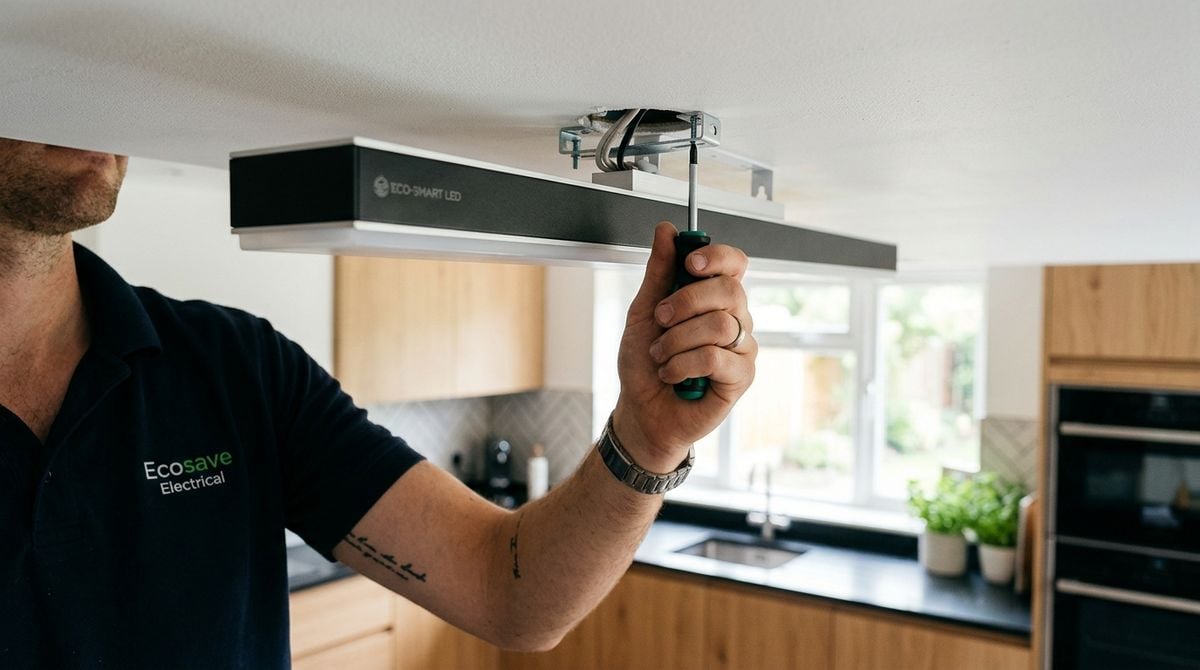
Small parts, thin threads and tiny caps can be frustrating to handle, especially when fingers are stiff or eyesight is not as sharp as it once was. A well arranged station on a table or shelf reduces the number of times a small item is dropped or lost. The ideas below focus on layout, lighting and tool choice so that routine tasks take less effort. This is general information about organizing a workspace, not health advice, and any health question is best raised with a qualified professional.
Choosing a Stable Work Surface
A firm table at a comfortable height gives you a steady place to set everything down. Avoid soft surfaces, such as a bed or a sofa cushion, where small parts can roll out of reach. A non-slip mat under the work area prevents items from sliding when you pick them up. Clearing the surface before each session keeps the space calm. A clear surface also lets you spot dropped parts quickly.
Readers may also want to visit smallbusinessloansdirect.com. Position the station near a window or under a lamp so you can see fine details clearly. Keep the chair close enough that you do not need to stretch to reach the surface. A stool with a back support often makes long sessions easier. Adjust the height so your forearms rest comfortably on the table.
Lighting That Makes Details Clear
Good lighting matters more as the eyes change over time. Use a bright, adjustable lamp that you can move without much effort, and choose a bulb that gives even light without glare. A magnifier on a flexible arm can help you see small threads or connectors. Test the light by holding a small part in different positions before you settle on a setup.
You can also visit aviation-business-gazette.com for more reading. Turn the lamp off when you are finished so the station stays calm and uncluttered. Clean the lens regularly so the light stays bright. A lamp with a wide base will not tip over when you lean on the table. Mount the lamp clamp on a sturdy edge to keep it steady.
Organizing Parts in Trays
Compartment trays keep small items sorted, so you do not need to search through a jumbled pile. Label each compartment with a large, clear word or a simple picture. Place the most frequently used parts closest to your dominant hand. A divided tray with high edges stops items from spilling onto the floor.
Magnetic trays are helpful because they hold metal parts in place while you work. For a related read on this site, see Phone and Tablet Settings That Ease Daily Use. Keep a small dish nearby for caps and screws so they cannot roll away. Sorting parts before you begin also saves time at the end.
Picking Tools With Easy Grips
Thick, rubber-coated handles provide better grip than thin metal tools, especially when hands feel weak or tired. Look for tweezers with spring tension that is easy to operate and a tip that stays straight. A small screwdriver with a large handle is easier to turn than a slim pen-style model. Trying a tool in your hand before buying helps you judge the comfort.
Some readers consult guides on ergonomic hand tools before they replace old equipment. Keep tools in a holder that places each one at a consistent angle. Replace worn tips promptly, since a damaged tip can slip and cause frustration. A consistent storage spot means you always know where to reach. Labels on the holder help you return each tool to the right slot.
Keeping Spills and Drops Contained
A shallow tray placed under the work area catches anything that falls, which makes recovery much faster. Use a lid or a sealed container for liquids so that accidental knocks do not spread them. Wipe the surface with a lint-free cloth after each session. A tidy surface is easier to work on the next time.
Consider placing a light cloth on the floor below the station to spot dropped parts more easily. Keep a small bag nearby for waste, so you do not have to walk across the room. Simple containment reduces the need to bend or search. Keeping a pair of gloves handy is also a useful habit for cleanup.
Setting Up Routines That Feel Gentle
Break longer tasks into short sessions with rest periods between them. Stand up and stretch your hands and shoulders during each pause. A timer can help you notice when it is time to take a break. Short sessions often produce better results than long, tiring ones. You can always return to the task later with a fresh mind.
Store the entire station in a way that can be packed away when you need the table for something else. A rolling cart with lockable wheels can make this easier. Consistent routines help the process feel comfortable each time you return to it.
A Simple Station Serves You Well
A tidy station with good light, sorted trays and gentle tools makes small tasks much easier. Keep the layout consistent, store everything within reach and rest often. Each session becomes simpler when the workspace does much of the work.

Smartphones and tablets now handle messages, appointments, maps and photos, but small text and fast gestures can frustrate anyone with tired eyes, a shaky hand or a busy schedule. The good news is that most devices include built-in options that change how the screen looks and responds. This article explains practical adjustments that make daily use smoother. It offers general information about settings and habits, not medical guidance. Readers may find that a few small changes make the device feel far more comfortable, and each change can be reversed at any time. Taking the changes one at a time makes it easier to see which ones truly help.
Increase Text Size and Contrast
Begin with the display options, where text size and screen contrast can be raised in a few taps. Larger text helps with reading messages, recipes and maps, while stronger contrast makes buttons easier to find. Some devices offer a bold text option that thickens letters without changing the layout of the screen. Test the new settings with a short message to see whether they feel comfortable. Readers may also want to visit richtopgroup.com. Give each setting a few days before deciding whether to keep it. Note which settings helped most, so the same choices can be made again on a new device. Write the chosen settings in a short list beside the device for future reference.
Turn On Voice Input for Messages
Voice typing saves time and effort when fingers are tired or small keys are hard to press. Most keyboards include a microphone button that turns speech into text. Speak in short phrases and check the words before sending, since punctuation may need a manual touch. Voice commands can also set reminders, call contacts or open apps, which reduces the number of taps needed each day. You can also visit usamarketarea.com for more reading. Practice in a quiet room first so the device learns to hear the speaker clearly. Keep the microphone close and speak at a steady pace for the best results.
Simplify the Home Screen
A crowded home screen slows down every search for an app. Move the most used apps to the first page and remove those that are rarely opened. Create folders for related items, such as banking, family photos or travel, and give each folder a clear name. Use large app icons if the device offers them, since bigger targets are easier to tap accurately. A tidy layout makes the device feel calmer and easier to navigate. For a related read on this site, see Pilar Tests Her New Wristband Against Her Real.
Set Up Emergency and Contact Shortcuts
Quick access to key contacts can make a real difference during a busy or stressful day. Save important phone numbers with clear names, and add the most important ones to the favourites list. Learn how to call an emergency contact from the lock screen if the device offers that option. Write the steps on a card kept near the device, so a family member can help without searching. A printed copy also works well when the device is shared among several people. Share the steps with a trusted person so they can assist if needed. Keep the list updated whenever a number changes, because an out-of-date number is of little use in a hurry. Test each emergency shortcut once so that the steps are familiar before they are needed.
Reduce Unwanted Alerts and Clutter
Constant notifications can distract and tire anyone, especially when the screen lights up many times an hour. Turn off alerts for apps that do not need immediate attention, and choose a quiet period for nighttime silence. Group messages so that alerts arrive in a single batch rather than as a steady stream. Review notifications each week and remove those that have become background noise. Some people also switch off vibration for minor apps, which avoids jolts during the day. A calmer device helps people focus on what matters most. Quiet settings also make it easier to notice the messages that really need a reply. Quiet hours give the body a predictable break from constant screen light.
Practice With Short Sessions
New settings feel easier after a few short practice sessions. Spend ten minutes a day on one task, such as sending a photo or setting a timer, and repeat it until it feels natural. Write simple steps on a card near the device for quick reference. A patient family member or friend can show the steps once, then step back to let the reader try alone. Celebrate each small success, since confidence grows quickly when progress is visible. Gradual practice builds confidence and reduces frustration over time. A little practice each week usually does more good than one long lesson.
Comfort First on Any Screen
Small adjustments to text size, voice input and layout can make a smartphone or tablet far more comfortable to use. Readers do not need to change everything at once, and each step can be undone if it does not suit them. A device that fits the person’s pace becomes a helpful tool rather than a source of stress. Readers should feel free to ask for help whenever a screen seems confusing. Patience and small steps usually make the difference.
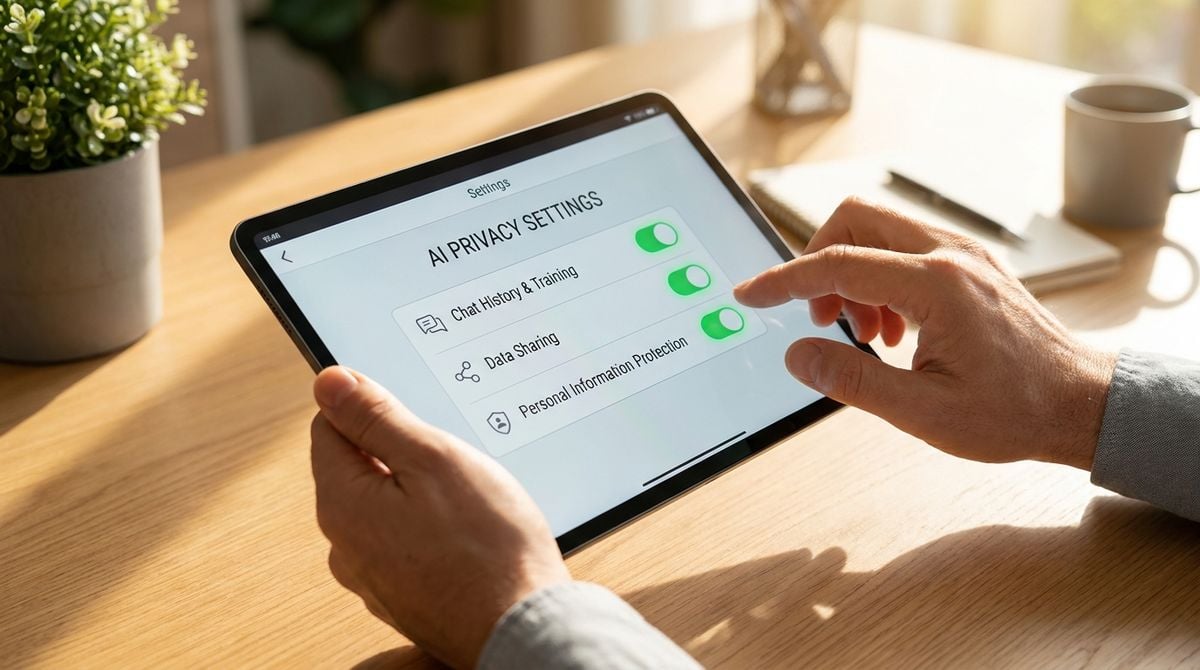
Some adults want to understand their vaping routine more clearly, whether they plan to cut back or simply want to know what drives the habit. A habit log is a plain tool for noticing patterns without judging them. Digital versions are easy to keep on a phone and can be shared with a health professional if that becomes useful later on.
This article offers general information about tracking, not medical advice. The aim is to observe moments, feelings and routines in a calm and curious way. Anyone with health concerns should speak with a qualified clinician who can answer questions about their own situation and history.
Setting Up a Simple Daily Log
A simple daily log can start in a notes app with a few columns for time, place, mood and the situation at hand. Keep entries short, since long descriptions make the habit harder to maintain on busy days. Readers may also want to visit slowlie.net. Set a reminder at the end of the day to fill in the entry while the details are still fresh.
Recording every event, even small ones, gives a more accurate picture than trying to remember everything at night. Use the same format each day so that comparing entries later is easy and quick. Avoid editing past notes to make them look better or more consistent than they were. An honest log is the most useful version of the record, even when the entries look messy.
Noticing Patterns and Triggers
Patterns often show up after a week of notes, such as a link to certain meals, meetings or evenings at home. A spreadsheet can sort entries by time of day so that clusters become visible at a glance. You can also visit Go And Grow Online for more reading. Keep the wording neutral so the log supports curiosity rather than guilt or self-criticism.
Mood ratings can add useful context, especially when stress or boredom seems to drive a particular moment. Color coding helps the eye spot repeated situations quickly during a weekly read-through. Share the pattern summary with a clinician or counselor if you want professional input on what the notes show. These conversations work best when the notes are clear, consistent and written in plain language.
Choosing a Calm Review Routine
A calm weekly review helps you decide which patterns deserve attention and which ones can be left alone. Pick a fixed time, such as a quiet Sunday evening, to read through the notes without distractions. For a related read on this site, see Pilar Tests Her New Wristband Against Her Real. Write one observation and one question at the end of each review so the process stays focused.
Avoid treating the log as a test that you can pass or fail. A missed day is information too, and it does not erase earlier progress or the lessons already noticed. Keep the review brief so it feels sustainable over several weeks rather than a chore to dread. Gentle routines tend to last longer than strict ones, and longevity is what makes a log useful.
Using Phone Features Without Overload
Phones offer many helpful features, but too many alerts can turn the log into one more source of stress. Use one reminder rather than several, and place the log app on a second screen so it is not always in plain view. Consider turning off notifications from unrelated apps during the review window to keep attention on the notes. Simple setups are easier to maintain on the days when life feels full.
Some people find a notes widget more convenient than a full app, while others prefer a paper card kept in a bag. Choose the option that you will open without having to think about it. Back up the notes to a secure folder so they survive a phone change or a lost device. Practicality matters more than sophistication when the goal is simply to keep observing honestly.
Bringing Notes to a Professional
When you feel ready to talk with a professional, a short summary of the log can make the conversation more focused and useful. Highlight the times of day, the situations and the feelings that appear most often in the notes. Bring any questions you want to ask about health or support options, so none are forgotten during the appointment. A clinician can explain what the information might mean for your own circumstances.
Keep the summary private unless you choose to share it, and store it in a folder with restricted access. Update it before each appointment so it reflects recent weeks rather than old notes from months earlier. Remember that this article is general information only and cannot replace individual guidance. Professional support is the right next step for any personal decision about health or habits.
Observing Without Judgment
A habit log is a gentle way to see your routine clearly, without rushing to change it. Keep entries short, review them calmly and bring the results to a qualified clinician when it helps. Clear observations are a useful starting point for any decision about your own wellbeing.

Many people want to understand their nightly routines better without becoming overwhelmed by charts and scores. A basic sleep log, kept in a phone app or a notebook, can reveal simple patterns while keeping the daily effort small. The goal is calm observation rather than perfection, and the best logs are the ones that feel easy enough to keep up on a busy morning.
This article covers general habits for using such tools. It is not medical advice, and any concern about sleep should be raised with a qualified health professional. Think of the log as a notebook of what you noticed, not a verdict on how well you slept. Used that way, it can prompt useful questions and make the conversation with a clinician more focused.
What a Sleep Log Should Record
A useful log focuses on a few entries, such as bedtime, wake time, a rough sense of how rested you felt and any notes about the day. Extra fields can make a log feel like homework and lead to missed entries, which weakens the whole record. Choose an app that lets you hide the fields you never use, or keep a paper version with only the lines that matter to you.
Readers may also want to visit thisisukbusiness.com. Those pages can help you interpret what you record without guesswork. They explain general ideas about routine and environment, but they cannot replace an individual assessment. Use them to frame your notes, then bring specific concerns to a professional.
Keeping Entries Short and Regular
Short daily entries work better than long weekly summaries. Spend a minute each morning recording the basics while the details are still fresh in your mind. Trying to reconstruct a whole week later usually produces guesses rather than facts, and guesses make the pattern harder to read. A regular habit matters more than perfect accuracy, so keep each entry brief and consistent.
You can also visit teleworkpeople.com for more reading. Add those factors to the entry as short tags, such as a late coffee or a warm bedroom. Tags are quick to type and make later comparisons much easier. Pairing the entry with an existing routine, such as making tea or opening the curtains, also keeps the habit from slipping.
Protecting Personal Data in the App
Health related entries are deeply personal information. Read the privacy settings before creating an account, and turn off any sharing features you do not need. Choose an app that stores data on the device or offers encryption, along with a clear process for deleting your records. A short search for the company’s data practices can save you from an unpleasant surprise later.
For a related read on this site, see Pilar Tests Her New Wristband Against Her Real. Use a unique password and enable two-step sign-in wherever it is offered. Review which permissions the app requests on your phone, such as location or contacts, and deny anything the log does not need. Delete the account properly when you stop using the app, not just the icon on the home screen.
Reviewing Patterns Without Overreading Them
Most apps display simple graphs that compare bedtimes and wake times across several days. A single unusual night rarely tells a meaningful story, even when the chart looks dramatic. Look for trends that repeat over a stretch of time before drawing conclusions. Ignore the urge to chase every dip, because that habit can turn a useful log into a source of anxiety.
Compare the tags with the graphs once a week, and write down any change you test. Keep each experiment small and easy to repeat, so you can tell whether it made a difference. Record what you tried and when, so the log becomes a record of experiments rather than a list of worries. Gentle attention tends to produce more honest notes than anxious attention does.
Preparing Notes for a Routine Check-Up
Exported summaries can help you describe patterns to a clinician during an appointment. Bring a short written list rather than a long printout, and focus on changes that began recently. Mention any medications, routines or shift patterns that might affect sleep, since those details give context to the numbers. A clear list makes the visit more productive for both you and the professional.
Avoid treating the log as a diagnosis of anything. It records what you noticed, which is useful, but it does not replace a professional examination. Keep copies of exported notes in a private folder with a clear name, and share them only with people you trust. Your notes belong to you, and you decide who sees them.
Using the Log Wisely
A simple log earns its place when it supports better habits without adding pressure. Keep the fields few, review the trends calmly and protect the data you collect. Over time, the record can help you notice what seems to help and what does not, and that understanding often matters more than any single chart. Silence the reminders during the hours you are winding down, and let the notebook serve as a calm reference rather than a judge.

A Tidy Vape Station for Hands That Fumble Small Parts

Phone and Tablet Settings That Ease Daily Use for Older Readers

Habit Logs for Someone Reviewing Their Vaping Routine

A Simple Sleep Log That Respects Your Privacy

Keeping Vape Accessories Out of the Landfill
Standard Operating Procedures: A Template for Any Business

How to Choose the Perfect Home Decor for Your Business

The Ultimate Guide to Managed IT Security for Small Businesses
How Regenerative Medicine Is Changing the Way Joint Pain Is Treated

Why the Pneumatic Tube System is the Future of Patient Care
-
 Beauty7 years ago
Deep Breathing Techniques To Change Your Life
-
 Beauty7 years ago
Six Essential Food Items For Runners
-
 Featured7 years ago
There’s More To Weight Loss Than Dieting
-
 Beauty7 years ago
Healthy Choices To Help You Live Longer
-

 Beauty6 years ago
8 Ways to Prevent Acne Breakouts
-

 Featured6 years ago
Turn Your Extra Rice Into Something More
-

 Featured6 years ago
The Fur-Parent’s Guide to Caring for Your Dogs During and After a Lockdown
-
 Uncategorized7 years ago
Microsoft plans to reach negative carbon emissions by 2030 * Establishing $ 1 billion funds to find solutions