
Featured
Why a valentines day shirt is the perfect gift for your significant other


Is your significant other challenging to shop for? Do you want to get them a unique and thoughtful gift? Valentines day shirts 2023 is the perfect solution! Shirts with romantic messages are a great way to show your loved one how much you care. Plus, they can be worn yearly as a reminder of your love.
A Valentine’s Day shirt is a unique and memorable gift that shows how much you care.
A Valentine’s Day shirt is the perfect way to show your loved ones how much you care. Whether you are buying for a significant other, friend, or family member, a Valentine’s Day shirt shows that you put thought into their gift. The best part about a valentines day shirt is that it can be worn all year round. Every time your loved one wears their shirt, they will think of you and your special bond. If you are looking for a unique and memorable gift that will be cherished for years to come, look no further than a Valentine’s Day shirt.
It’s a way to show your significant other that you took the time and effort to find something personal and unique.
Though some may see Valentine’s Day as a hallmark holiday, many appreciate the opportunity to celebrate their love for one another. One thoughtful way to show your significant other how much you care is to give a personal and unique gift. Something like a custom-made shirt with a meaningful message can show that you took the time to find something special just for them. Whether a playful design or a heartfelt message, a personalized gift can be a great way to show your love on Valentine’s Day.
A Valentine’s Day shirt can be worn any day, not just on Valentine’s Day, making it even more special.
A Valentine’s Day shirt is the perfect way to show your loved one how much you care. It can be worn any day, not just on Valentine’s Day, making it even more special. The shirt reminds you that you always think of them and appreciate them daily. A Valentine’s Day shirt is also a great way to show your support for a cause or represent your company or organization. Wearing a Valentine’s Day shirt shows that you are committed to the cause and willing to show your support in a public way. Whether you are wearing a Valentine’s Day shirt to show your love for someone special or to support a cause, it is sure to make a statement.
You can find Valentine’s Day shirts in all different styles, colors, and designs.
When it comes to Valentine’s Day, there’s no shortage of ways to express your love. A Valentine’s Day shirt is an excellent option, whether you’re looking for a romantic gesture or a playful way to show affection. You can find shirts in all different styles, colors, and designs, so you’re sure to find one that suits your taste. They are an excellent gift for that particular person in your life. So whether you’re shopping for yourself or someone else, check out the great selection of Valentine’s Day shirts.
They’re affordable and easy to find online or in stores.
It’s no secret that clothes can be expensive. But it doesn’t have to be that way. There are plenty of ways to find affordable clothing that is both stylish and well-made. One excellent option is to shop at thrift stores. You can often find gently used clothing for a fraction of the retail price. Another option is to shop online. Many websites sell affordable clothing without sacrificing style or quality. Finally, remember to check out the clearance racks at your favorite stores. You may be surprised at the great deals you can find. You can easily find affordable clothing that you love with a little effort.
Your significant other will love wearing your gift and showing it to their friends.
The best gift you can give your loved one this Valentine’s Day is a shirt that shows how much you care. Whether it’s a heartfelt message or an inside joke, a custom shirt will surely put a smile on their face. And they’ll be proud to show it off to all their friends. After all, what’s the point of buying a gift if it’s going to sit in the back of a drawer and never see the light of day? So go ahead and make this Valentine’s Day one to remember with a gift that will continue to bring joy long after the chocolate has been eaten and the roses have wilted.
Conclusion
if you’re still looking for the perfect gift for your Valentine, look no further than a Valentine’s Day shirt. They are unique, sentimental, and sure to please. Plus, they can be worn yearly to remind your loved one how much you care. So don’t wait any longer – visit our website and order your Valentine’s Day shirt today!
Key Takeaways
- Check the timing first: a Chichagof wilderness tour works best for 24-hour booking travelers who need a short, reliable wildlife outing that fits a narrow port-day window.
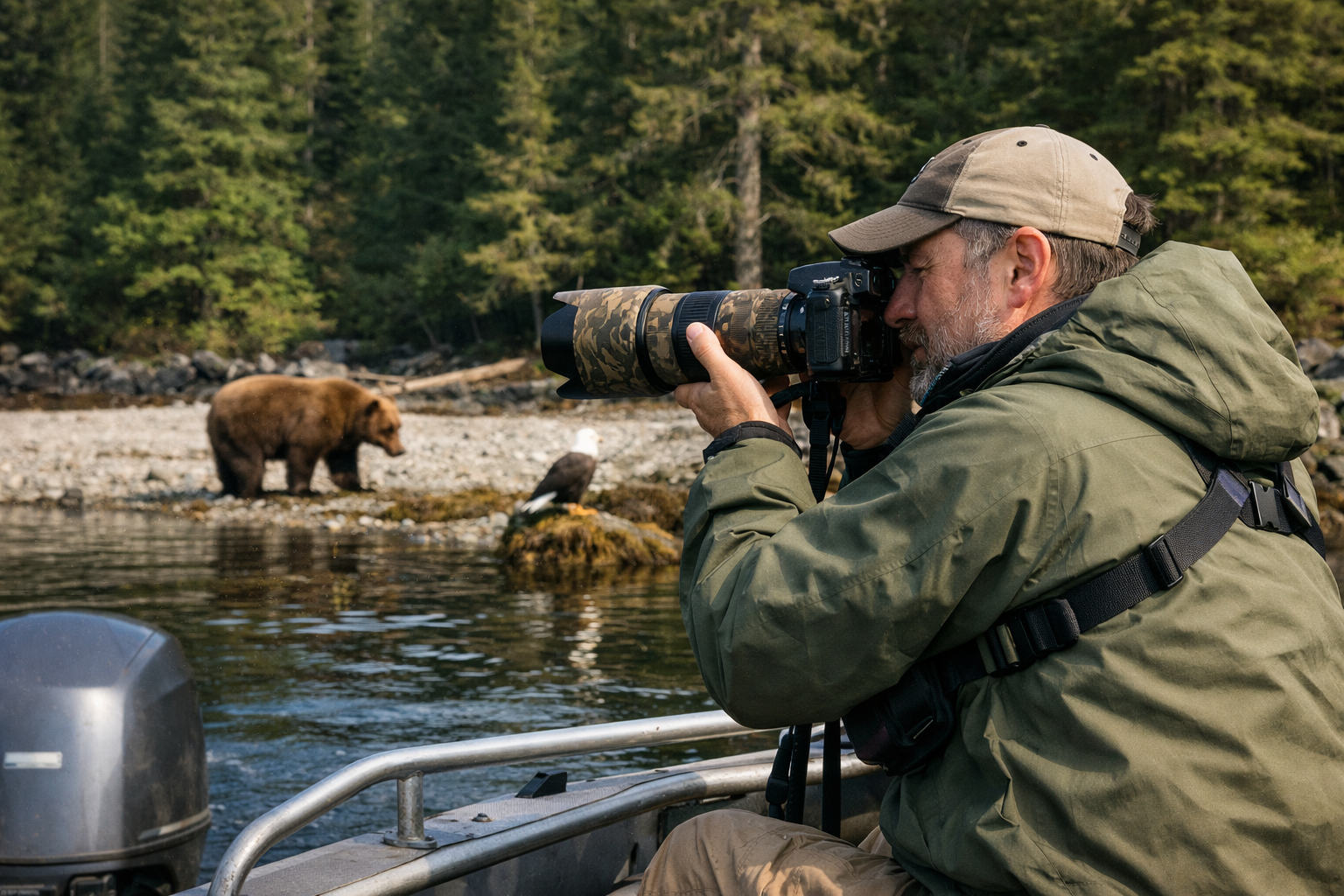
- Prioritize small-group guided travel on a Chichagof wilderness tour, since fewer passengers usually mean faster stops, better sightlines, and more time for bear and eagle photography.
- Match the tour length to your schedule before reserving, because a wilderness tour that looks great on paper can still fail if transfers, walking time, and ship return windows are too tight.
- Judge the wildlife value realistically: the best Chichagof wilderness tour offers strong habitat, remote forest roads, and skilled natural-history commentary even on days when animals stay out of view.
- Pack for photo opportunities, not comfort alone—on a guided wilderness tour, layered clothing, a ready camera, and patience matter more than extra gear you won’t reach in time.
- Ask blunt questions before a last-minute booking, especially about group size, return reliability, walking demands, and how the guided tour handles wildlife ethics and photo stops.
Miss the early planning window, and most shore days start to look the same: crowded coaches, rushed stops, and just enough time to feel stressed. A Chichagof Wilderness Tour stands out for one reason that matters to wildlife watchers and camera-first travelers alike—it can still make sense even with only 24 hours to decide. That matters right now, because cruise itineraries shift, weather changes fast, and plenty of travelers don’t lock in every port day months ahead.
For amateur photographers, the honest question isn’t just whether bears or eagles might appear. It’s whether a last-minute booking still gives them a real shot at natural habitat, decent sightlines, and enough patience built into the outing to wait for something wild to happen. In practice, that’s where small-group guided trips pull away from the pack—they move faster, stop smarter, and leave room for the kind of unscripted moments that turn a quick booking into the highlight of the day. And if the animals stay tucked in the trees? Strong natural-history guiding still makes the time count.
Chichagof Wilderness Tour basics for travelers booking one day ahead
About 30% of cruise passengers lock in shore plans late, — that last-day scramble doesn’t rule out a strong wildlife outing. A Chichagof Wilderness Tour is often built for that reality: short transfer times, guided road access, and a format that fits a compressed travel window without turning the day into a rushed blur.
What a Chichagof wilderness tour usually covers in a short port-day window
In a tight stop, the strongest itineraries keep the focus on habitat, not gimmicks. A typical Chichagof Wildlife Tour moves through forest edge, shoreline pullouts, salmon-stream corridors, and open viewpoints where photographers can watch for eagles, deer, and brown bears in the wild. That’s the appeal of a solid chichagof island tour: less standing around, more time scanning terrain that actually holds animal activity.
What travelers can expect:
- 2 to 3 hours total for a short port-day fit
- Guided stops for wildlife viewing and photo chances
- Natural history, local culture, and practical bear-viewing context
Why small-group guided wildlife viewing works better for last-minute planners
Small groups work better. Full stop. A van-sized Chichagof Excursions Tour can pivot fast when a guide spots movement near the tree line—something big bus formats just can’t do. For travelers chasing a real Chichagof coastal brown bear tour story, that flexibility matters more than flashy extras.
How the 24-hour booking traveler can match tour length to a tight schedule
The honest answer is simple: match the tour to the port clock, not the wish list. Chichagof Island wilderness tours usually work best when travelers leave a buffer for disembarkation, return, and camera setup (those first five minutes matter). A shorter safari-style outing can still deliver wilderness, guided insight, and strong odds of memorable sightings.
Why a Chichagof wilderness tour matches informational search intent right now
Speed matters.
Travelers often have a day, not a week, to sort hype from a real fit. The answer is plain: a Chichagof Wilderness Tour works for fast research because people want clear details on wildlife odds, group size, road access, and photo rhythm before they reserve.
What travelers want to know before reserving a Chichagof wilderness tour
A smart scan starts with three checks—time in transit, habitat access, and how the guided outing handles stops. A solid Chichagof Excursions Tour should explain whether guests stay on back roads near salmon water, old-growth edge, and open shoreline where eagles, deer, and brown bears may appear.
The same goes for a Chichagof Wildlife Tour: readers want practical facts, not diary fluff or safari talk borrowed from denali, tundra, smokies, dells, or canadian resort copy.
How wildlife enthusiasts and amateur photographers judge tour fit fast
Photographers judge quickly—can the van stop, is the group small, and will there be enough time to manage flash settings, shutter speed, and a long lens? On a chichagof island tour, that matters more than polished show language.
- Look for: short walks, steady pacing, real wildlife habitat
- Ask about: window views, stop frequency, and guide field knowledge
What separates a true wilderness tour from a crowded sightseeing stop
The difference is access. Chichagof Island wilderness tours should read like field travel—forest roads, creek crossings, coastal pullouts—not a rushed loop past a canyon-style overlook and gift-shop rhythm.
This is the part people underestimate.
And the honest filter is simple: if a listing sells a Chichagof coastal brown bear tour story but says little about habitat, behavior, or timing, it’s probably not the right tour.
The wildlife and photo opportunities that make a Chichagof wilderness tour worth the time
Brown bears, eagles, deer, and salmon habitat along remote forest roads
Over coffee, the plain answer is this: a Chichagof Wilderness Tour earns its slot because the road itself cuts through active habitat, not staged viewing areas. A strong chichagof island tour can put travelers near salmon streams, muskeg edge, and old-growth cover where brown bears, eagles, and deer actually move through the day. That makes a Chichagof Wildlife Tour feel more like a field diary than a resort show, with the kind of wilderness rhythm amateur photographers hope for.
Best conditions for amateur photography: light, distance, vehicle stops, and patience
For photographers, the appeal is practical. Soft cloud cover works like a natural flash diffuser, long northern summer light stretches shooting time, and small-vehicle stops give better sightlines than a packed safari-style bus. The honest answer is that agility matters less than patience; most memorable frames come from waiting at the forest edge, watching a salmon creek, and staying ready for a bald eagle drop or a deer crossing. A well-paced Chichagof Excursions Tour gives that breathing room.
Why guided natural-history commentary adds value even if wildlife stays hidden
And that’s the part casual travelers miss. If the bears stay in cover, the outing still has substance because guide commentary explains tracks, feeding zones, berry cycles, salmon timing, and why a canyon-like drainage or coastal flat draws life at certain hours. One solid Chichagof coastal brown bear tour story can turn a quiet roadside stop into a sharper read of the whole system. That’s why repeat visitors still book Chichagof Island wilderness tours—not just for a sighting, — for the natural-history read behind it.
Logistics that matter most on a Chichagof wilderness tour booked within 24 hours
Last-minute bookings live or die on timing.
- Arrive early. For a Chichagof Wilderness Tour, smart travelers plan to be at the meeting area 20 to 30 minutes ahead, not at departure time. That buffer matters—especially for cruise passengers moving through busy port traffic and shuttle lines.
- Ask about return discipline. A solid operator builds the route around ship schedules, not wishful thinking. That matters more than flashy adventures or a safari-style sales pitch, because missing all-aboard turns a good travel diary into a brutal story.
- Pack for short walks, not a mountain trek. Wear a waterproof shell, warm layers, and shoes with grip for wet trails, gravel pullouts, and uneven ground. A small bag with meds, spare battery, and lens cloth beats overpacking every time.
Meeting-point timing, return reliability, and why that matters for cruise passengers
A well-run Chichagof Wildlife Tour gives photographers enough time to scan the edge of forest and shoreline without wrecking the day’s schedule. The honest answer is simple: reliability is part of the experience.
What to wear and pack for a guided wilderness tour with short walks
The best Chichagof Excursions Tour packing list is boring on purpose—rain layer, hat, compact binoculars, and a camera set for fast flash changes in low light. Think tundra weather, not resort comfort.
Accessibility, comfort, and realistic expectations for older travelers and families
A good chichagof island tour works for older travelers and families because most viewing happens from roadside stops with brief walks (agility still helps). And Chichagof coastal brown bear tour story coverage has raised interest in Chichagof Island wilderness tours that keep expectations real: wild animals, guided stops, no staged show.
How to evaluate a Chichagof wilderness tour before booking at the last minute
A traveler lands on a booking page the night before port day. The photos look good, the clock is moving, and the real question isn’t comfort—it’s whether the guide can turn a short window into a serious wildlife outing. That’s where a Chichagof Wilderness Tour should be judged fast but carefully.
Signs of a strong guided tour: local knowledge, small groups, and clear wildlife ethics
A solid operator explains how the guided route works, how often stops are made, and what happens if bears stay in the timber. Small groups matter because photographers need sightlines, not a packed shuttle. A strong Chichagof Wildlife Tour also spells out wildlife ethics: no baiting, no crowding, no turning a brown bear sighting into a flash-and-dash safari.
Good signs:
- Local knowledge tied to animal patterns, salmon movement, and weather shifts
- Group size limits that help with viewing and camera agility
- Clear timing for pickup, return, and short walking sections
Questions to ask before booking a Chichagof wilderness tour on short notice
Ask direct questions. A reliable Chichagof Excursions Tour should answer them without vague language.
- How much time is spent actively scanning for wildlife?
- Are there road-based stops for photographers shooting mountain, forest, and coastal edge habitat?
- Is the outing framed as a chichagof island tour with naturalist context, not just transport?
Who gets the most from this kind of wilderness tour—and who may want a different excursion
This format suits travelers who want patient observation, not a resort-style show. Birders, first-time bear watchers, and amateurs building a Chichagof coastal brown bear tour story for their travel diary usually get the most from Chichagof Island wilderness tours. Someone expecting long trails, high-elevation peaks, or a survival-style outback adventure may want a different fit.
Experience makes this obvious. Theory doesn’t.
Frequently Asked Questions
What is a Chichagof Wilderness Tour?
A Chichagof Wilderness Tour is a guided, land-based wildlife outing built around quiet observation, short stops, and road access into wild habitat. For travelers who want brown bears, eagles, deer, salmon streams, and real field time—not a rushed bus loop—it’s one of the strongest shore-excursion formats available.
What wildlife can travelers expect to see on a Chichagof Wilderness Tour?
Brown bears get the attention, — fair enough.
But a good Chichagof Wilderness Tour also gives amateur photographers a real shot at bald eagles, ravens, Sitka black-tailed deer, otters, mink, waterfowl, and salmon activity along creeks and forest edge. Sightings change with season, weather, and timing, so smart travelers go in hoping for patterns and behavior, not a staged show.
Are bear sightings guaranteed?
No. Any operator promising guaranteed brown bear action in open wilderness is overselling it. The honest answer is that guides improve the odds through local knowledge—animal movement, salmon timing, roadside visibility, and the quiet spots where bears cross—but wild animals still make the call.
Is a Chichagof Wilderness Tour good for photographers?
Yes, especially for travelers carrying a bridge camera, mirrorless body, or a DSLR with a mid-range zoom. Small-group pacing matters here—fewer people, less chaos, more chances to stop for a bald eagle on a snag or a bear working a creek line. The best photo days aren’t always dramatic; sometimes they’re soft light, wet roads, and one clean wildlife moment.
How physically demanding is the tour?
Not very. Most Chichagof Wilderness Tour outings are van-based with brief walks at pullouts or viewing areas, so they suit travelers who want wilderness access without mountain trails, steep canyon climbs, or survival-style effort. That said, guests still need to get in and out of the vehicle comfortably and stand for short stretches.
Not complicated — just easy to overlook.
When is the best time to go for wildlife viewing?
Early departures often give photographers better light and calmer roadside conditions, while overcast weather can work in your favor—it cuts glare and keeps contrast manageable. Bright sun looks pretty to the eye; for wildlife shots, it’s often worse.
What should travelers bring on a Chichagof Wilderness Tour?
Bring layers, a rain shell, dry footwear, and a camera that can react fast. A 200–400mm equivalent lens helps, but even a compact setup can do well if the guide positions the group smartly. Binoculars, spare batteries, and a lens cloth matter more than people think (mist, spray, and window smudges ruin shots fast).
Why do small-group wilderness tours work better than large coach excursions?
Because wildlife doesn’t wait for 40 people to shuffle into place. That flexibility is the whole point.
What makes this kind of tour different from a generic scenic drive?
Guiding. That’s the difference. A real wilderness guide reads habitat, notices fresh sign, watches bird behavior, and knows why one muskeg edge is dead while another suddenly comes alive with deer, eagles, and maybe a bear just beyond the brush line. For wildlife enthusiasts, that field reading is worth more than polished narration.
Is the tour still worth it if no bears appear?
Yes—if the traveler actually likes wildlife and not just the checklist. Forest edge, tidal flats, salmon creeks, eagle perches, animal sign, and local natural history still make a Chichagof Wilderness Tour worthwhile, and for photographers there’s often more to work with than one rushed bear sighting. Would most guests prefer bears? Of course. But the strongest outings still feel rich even when the headline species stays hidden.
For travelers making a decision one day out, the right fit usually comes down to three things: time, trust, and the quality of the actual field experience. A Chichagof Wilderness Tour stands out because it can work inside a tight port window while still giving wildlife enthusiasts and amateur photographers a real shot at seeing animals where they live—not in a staged stop, not from the back of an oversized bus. That matters.
Just as important, the strongest tours are transparent about what they offer. Clear meeting instructions, dependable return timing, small groups, and guides who read habitat well can make a rushed booking feel smart instead of risky. And even on slower wildlife days, good commentary still gives travelers something worth bringing home—better photos, sharper expectations, and a stronger sense of what they’re actually seeing (or waiting to see).
If this kind of tour matches the traveler’s priorities, the next step is simple: check the booking cutoff, confirm the return window, ask about group size and walking demands, and reserve the Chichagof Wilderness Tour that fits the schedule before those last open seats are gone.
For more great reading, visit our site and explore related topics.
Featured
The Disease-Proof Movement: Why Dr. Moirar Leveille Says Longevity Begins Long Before Symptoms

Many people wait for symptoms before they start thinking about their health. A headache, chronic fatigue, or a diagnosis often becomes the moment that forces change. But according to Her Excellency Ambassador Dr. Moirar Leveille, this approach comes too late.
Dr. Moirar believes longevity begins long before illness appears. Prevention, awareness, and balance must come first. Her work focuses on helping people protect their health before the body begins to struggle.
As the CEO and Founder of Moirar Holistic Wellness, LLC, Dr. Moirar has incorporated this philosophy into whatever she does. She is a Doctor of Philosophy, Doctor of Integrative Medicine, Licensed Mental Health Counselor, Clinical Hypnotherapist, and Neuro Linguistic Programming Practitioner. She is also a United Nations Peace Ambassador, recipient of the Presidential Lifetime Achievement Award, TEDx speaker, international philanthropist, and an eight-time international best-selling author.
She believes prevention requires effort. “Nothing is easy unless you work for it,” she explains.
Through her programs, books, and global speaking engagements, Dr. Moirar promotes what many now call a disease-proof movement. It believes that lifestyle, nutrition, mindset, and emotional health play a huge role in long-term wellness.
The Health Crisis: Why Waiting for Symptoms Is Too Late
Modern medicine often focuses on treatment after illness appears. Many people only go to get help when pain or disease interrupts their daily life.
Chronic conditions such as heart disease, diabetes, and autoimmune disorders do not appear overnight. They develop slowly. Stress, poor diet, emotional trauma, and lack of balance can damage the body for years.
Dr. Moirar experienced this herself. After facing her own autoimmune diagnosis, she began studying the deeper causes of disease. That journey pushed her toward integrative medicine and functional health strategies. She reversed her autoimmune diagnosis through the power of thinking.
As she says, “My passion and my determination were way stronger than my situation. I did not let my circumstances define my life, but I let it refine me.”
Today, she encourages people to look beyond symptoms. She believes health should be protected long before a crisis appears.
How Dr. Moirar Approaches Disease Prevention
Dr. Moirar’s work focuses on the root causes of illness. Instead of looking at a single symptom, she studies the entire person. Emotional stress, trauma, diet, environment, and mindset all influence health.
She also focuses on what she calls the 4 D’s:
- Determination
- Discipline
- Decision
- Drive
These four principles guide her clients toward long-term lifestyle change. She combines mental health counseling, functional medicine strategies, neuro-linguistic programming, and life coaching. Her work also incorporates mindfulness and emotional healing for holistic wellness.
By addressing mental and emotional health early, Dr. Moirar believes people can reduce many long-term health risks.
Her message often focuses on personal responsibility and action. “There is something in you that is only you. Only you can change the circumstances of your life. If you want something in your life, you have to go with full force.”
Educational Resources and Other Initiatives
Dr. Moirar has created several educational resources to help people improve daily habits.
The MindfulYess Guide shares the method she used to reverse her own autoimmune condition. It introduces practical tools for restoring balance across different areas of life.
Another important framework is her Wheel of Life assessment. This helps individuals evaluate important areas of personal well-being, including health, relationships, spirituality, finances, and inner peace.
Dr. Moirar also hosts the Holistic Wellness Summit, an annual event that brings together global wellness experts, spiritual leaders, and educators. The summit creates space for discussions on prevention, longevity, and mental wellness.
Beyond her wellness practice, Dr. Moirar is also the CEO and Co-Founder of Unsilent Heroes, Inc., a nonprofit organization that supports individuals facing trauma and adversity. She has appeared on Amazon Prime’s Speak Up, hosted her own show on JD3TV, and has been featured twice on the Nasdaq marquee in Times Square.
Conclusion
The idea behind the disease-proof movement is that health should not begin with a diagnosis. Hence, Dr. Moirar Leveille teaches that prevention starts with awareness. Lifestyle choices, emotional balance, and daily habits shape long-term well-being.
Her global work in wellness, counseling, and education advances this message. Through her coaching programs, books, and conferences, she encourages people to protect their health long before illness appears.
Business
U.S. Pedestrian Deaths Hit Crisis Levels as Speed and Vehicle Size Create a Deadly Combination
A significant rise in pedestrian deaths across America has created a public safety crisis, with new data showing pedestrian fatalities have increased 48% since 2014.
According to a new study by Bader Law, this alarming trend is driven by two primary factors: an increasing number of speeding vehicles and the growing popularity of larger vehicles with dangerous high front-end designs.
Despite a slight decrease from 2023, drivers still killed 3,304 pedestrians during the first half of 2024 — more than 1,000 additional deaths compared to the same period in 2014.
Speed and Size Create a Deadly Mix
The research reveals how vehicle speed dramatically increases the risk to pedestrians:
- At 24 km/h, pedestrians face a 10% chance of serious injury.
- At 35 km/h, that risk jumps to 50% for moderate-to-fatal injuries.
- At 68 km/h, there is a 50% likelihood of death upon impact.
Vehicle size further compounds this danger. SUVs and pickup trucks are up to three times more likely to kill pedestrians than smaller passenger vehicles. This is primarily because their high hoods strike the torso, above the center of gravity, often throwing victims forward into the path of the vehicle.
This issue is magnified by the rapid growth in large vehicle sales: by 2022, SUVs, vans, and pickups accounted for 79% of new vehicle sales in the U.S., up from just 50% a decade earlier.
States with the Highest Pedestrian Death Rates
Several states stand out for having exceptionally high pedestrian fatality rates (per 100,000 residents):
- New Mexico – 2.07
- Mississippi – 1.94
- Nevada – 1.90
- District of Columbia – 1.85
- Arizona – 1.74
- Florida & Louisiana – 1.57
- South Carolina – 1.44
- Alabama – 1.32
- Delaware & North Carolina – 1.24
States with major year-over-year increases from 2023 to 2024 include:
- Nebraska – +150%
- Connecticut – +56.5%
- Missouri – +46.1%
States with the Lowest Pedestrian Death Rates
Conversely, these states recorded the lowest fatality rates:
- Montana – 0.18
- Idaho – 0.20
- New Hampshire – 0.21
- North Dakota – 0.25
- Rhode Island – 0.27
- Maine & Minnesota – 0.28
- South Dakota – 0.32
- Utah – 0.37
- West Virginia – 0.40
- Vermont & Iowa – 0.46
Some of these states also saw major year-over-year improvements in 2024:
- Montana – down 71.4%
- New Hampshire – down 66.7%
- Idaho – down 55.6%
Solutions to the Pedestrian Safety Crisis
Experts point to a number of safety interventions to curb fatalities:
- Automatic Emergency Braking (AEB): Reduces crashes by 27% and serious injuries by up to 87% by automatically braking when a collision is imminent.
- Lower speed limits in pedestrian-heavy zones.
- Traffic calming measures like speed humps, curb extensions, and raised crosswalks.
“Every day, 18 people don’t return home after taking a walk. That’s unacceptable,” said Jonathan Adkins, CEO of the Governors Highway Safety Association.
The Urgent Need for Change
The study underscores that larger vehicles traveling at high speeds present the greatest threat to pedestrians. While the national pedestrian fatality rate now stands at 0.97 deaths per 100,000, it remains substantially higher than a decade ago.
In 2022, speeding was involved in 29% of all traffic deaths, contributing to 12,151 fatalities an average of 33 people per day.
Without decisive action on vehicle design, speed control, and urban infrastructure, the crisis on American roads will persist and more lives will be lost unnecessarily.
A dermatologist asks the chatbot who to see, and gets three names that are not hers

What Causes Streaks on Windows After They’re Cleaned?

How Banking-Focused IT Support Helps Reduce Compliance Risk

Heather Spadaro’s Refreshing Approach to Makeup Education: Breaking Beauty Rules and Keeping It Real

How to Make Your Next Rental an Investment That Pays Off

Healing Vegetarian Candida Recipes to Try

Server Virtualization: A Smarter Foundation for Your IT Infrastructure

Healthcare Explainer Videos: Simplifying Medical Communication for Every Patient

The Benefits of Incident Reporting in the Workplace

Smart Business Practices That Improve Productivity and Profitability
-
 Beauty7 years ago
Deep Breathing Techniques To Change Your Life
-
 Beauty7 years ago
Six Essential Food Items For Runners
-
 Featured7 years ago
There’s More To Weight Loss Than Dieting
-
 Beauty7 years ago
Healthy Choices To Help You Live Longer
-

 Beauty6 years ago
8 Ways to Prevent Acne Breakouts
-

 Featured6 years ago
Turn Your Extra Rice Into Something More
-

 Featured6 years ago
The Fur-Parent’s Guide to Caring for Your Dogs During and After a Lockdown
-
 Uncategorized7 years ago
Microsoft plans to reach negative carbon emissions by 2030 * Establishing $ 1 billion funds to find solutions