
Food
Celebrity Chefs Spill Their Gravy Secrets
In terms of just food, no holiday is even close to Thanksgiving. It is hands down the best food holiday out there. It doesn’t matter if you’re with the same family members every year, or if you find yourself at a constantly evolving “Friendsgiving” each November, everyone is bringing their A game and preparing their… View Article


In terms of just food, no holiday is even close to Thanksgiving. It is hands down the best food holiday out there. It doesn’t matter if you’re with the same family members every year, or if you find yourself at a constantly evolving “Friendsgiving” each November, everyone is bringing their A game and preparing their best dish. And sometimes it’s hard to compete!
But there is one item that is frequently ignored and rarely perfect… gravy! I can’t tell you how many Thanksgiving feasts I’ve been to where the gravy was just some store-bought junk that left a lot to be desired. So why not be a hero and bring some amazing gravy to your Thanksgiving this year! And who better to tell you the secrets of great gravy that some of the most famous chefs in the world.

GORDON RAMSAY
If we’re talking celebrity chefs, we might as well start with the man himself! But you might be surprised to learn that Ramsay’s gravy recipe is actually pretty basic. Start by simmering fresh tomatoes with stock, dry cider, onions, and bacon. Then, once the gravy has reduced and thickened, Ramsay adds his secret ingredient: chopped walnuts!
It may sound like a strange addition to a sauce, but that extra crunch can be a wonderful contrast to the softness of a good turkey.

INA GARTEN
For those who have been living under a rock for the last decade (or at least don’t really watch Food Network all that much), Ina Garten is the Barefoot Contessa herself. Well… she hosts the show Barefoot Contessa on Food Network. You get it.
Back to gravy… if you’re a big brandy or Cognac drinker, then you’re going to love Garten’s gravy recipe! She starts by soaking onions in a hefty amount of butter, and then adds the chicken stock, flour, salt, and pepper. Then things get really fun. She adds either brandy or Cognac and some white wine! Top it off with a tablespoon (or two) of heavy cream and you’ve got some delicious gravy on your hands that will have your family and friends singing your praise for weeks.

ALTON BROWN
Alton Brown is Food Network royalty. He created and hosts Good Eats, and is also the host of Cutthroat Kitchen and Iron Chef America, along with other mini-series on the network. When it comes to gravy, he relies on one special ingredient that might surprise you… red wine! Many people would assume white wine is the more logical choice for gravy made with chicken stock, but Brown believes combining the stock with red wine helps to better pull all that juicy goodness from the turkey in the roasting pan.
But he reminds anyone that may be following his recipe that the grave will thicken over time and as you serve it, so make sure it’s thin and light when still in the pan.

GIADA DE LAURENTIIS
Giana De Laurentiis is another Food Network star thanks to her hit show Giada at Home and has also filled in as an occasional guest co-host on NBC’s Today. As far as gravy goes, Giada is sick and tired of the boring and bland gravy that we’ve all become far too comfortable with. So she’s been encouraging people to not be afraid of a little sophistication and decadence.
How exactly does she suggest bringing sophistication and decadence to gravy? One word: truffle! She covers her crispy truffled turkey with truffle butter, and then the gravy that collects below is treated with some truffle salt to bring out more of a hearty, earthy flavor. Sounds delicious!

TYLER FLORENCE
Surprise, surprise, Tyler Florence is another Food Network star! He has hosted and presented on numerous shows over the years. As for his personal special gravy recipe, he just goes all out on the herbs and garlic. More specifically, the recipe calls for an entire head of garlic and plenty of parsley, thyme, and sage. Along with the classic ingredients of celery, carrots, and onion of course.

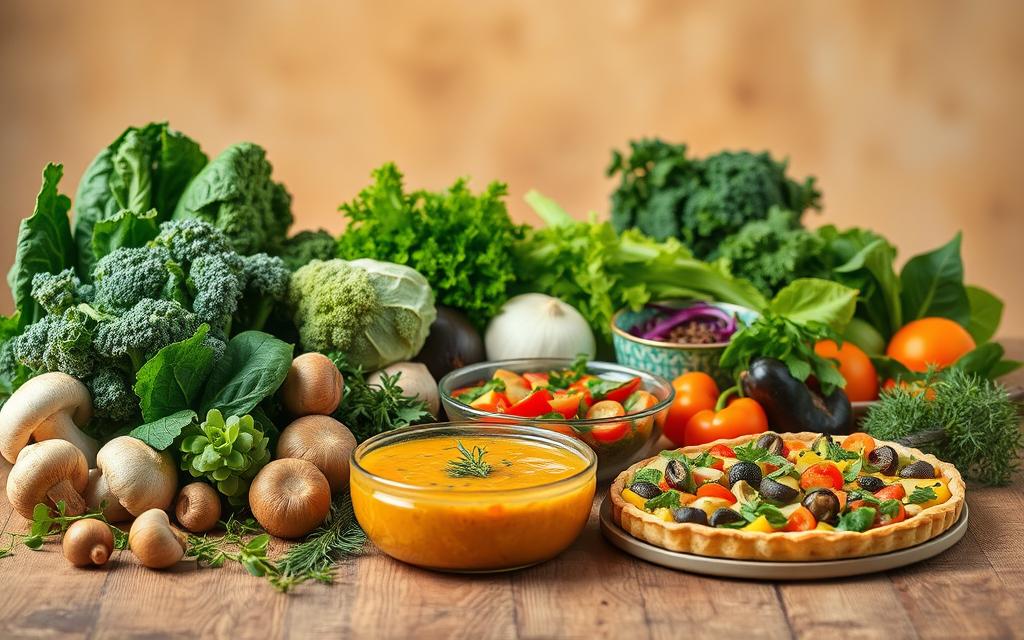
Ever thought your diet could help beat Candida overgrowth? Many don’t know how food affects our health, like with Candida. We’ll look at Healing Vegetarian Candida Recipes that are tasty and good for you.
These recipes use whole, plant-based foods. They help your body heal and make your meals enjoyable. Let’s see how Vegan Candida friendly meals can change your nutrition and wellness.
Vegetarian Candida Recipes
Key Takeaways
- Discover the impact of diet on managing Candida overgrowth.
- Explore nourishing, plant-based recipes tailored for Candida sensitivity.
- Learn the benefits of whole, clean ingredients in your meals.
- Find satisfaction in delicious, healing Vegetarian Candida Recipes.
- Empower yourself with knowledge for a successful healing journey.
Understanding Candida and Its Impact on Health
Keeping our body’s microorganisms in balance is key to staying healthy. Candida is a common yeast in humans. It usually doesn’t cause problems. But, an imbalance can lead to health issues.
Learning how Candida affects us is important. This knowledge helps us manage it better. It also helps us use Candida diet recipes effectively.
What is Candida?
Candida is a yeast found in our mouth, gut, and skin. It helps with digestion and nutrient absorption. But, a weak immune system or bad diet can cause it to grow too much.
How Candida Affects the Body
Candida overgrowth can mess with our body’s functions. It can cause bloating and discomfort in the digestive system. It also affects our mental clarity and energy, making us feel tired and sluggish.
The effects of Candida overgrowth are not just physical. It shows how important it is to recognize and address it.
Symptoms of Candida Overgrowth
Knowing the symptoms of Candida overgrowth is key. This helps us catch it early and act fast. Common signs include:
- Bloating
- Mood swings
- Sugar cravings
- Digestive disturbances
- Skin irritations
By spotting these signs, we can take steps to stop Candida’s growth. Using the right Candida diet recipes is a good start. This can lead to better health management.
The Benefits of a Vegetarian Diet
Choosing a vegetarian diet brings many health benefits, including fighting Candida overgrowth. It shows how eating plants can help manage health well.
Nutritional Advantages
A vegetarian diet is full of fiber, vitamins, and phytonutrients. These are key for a healthy body. The fiber helps with digestion and keeps things regular, which is good for those with Candida issues.
Mixing different plant-based dishes ensures you get all the nutrients you need. This is important for staying healthy.
Anti-Inflammatory Properties
Vegetarian foods often have anti-inflammatory effects, which help with Candida-related inflammation. Foods like leafy greens, berries, nuts, and seeds can reduce inflammation and aid in healing.
Adding these to gluten-free Candida recipes boosts their health benefits. This leads to a more balanced body.
Supporting Gut Health
A vegetarian diet is great for gut health, providing prebiotics and probiotics. These are vital for a balanced microbiome. The fiber in veggies, fruits, and grains feeds good bacteria, making the gut healthier.
This balance is key for those doing a Candida cleanse. It stops harmful fungi growth and supports digestion and health.
My Journey with Candida
Starting my journey with Candida made me realize how food affects our health. Finding out I had it was a turning point. It led to big changes in my life.
I learned the value of taking care of my health. It’s key to being proactive about our well-being.
Discovering My Condition
First, I noticed I was always tired and had stomach problems. I went to see a doctor and found out I had Candida overgrowth. This was scary but also made me want to change my life.
I started looking for ways to fight this condition. I wanted to learn how to manage it.
Changes I Made to My Diet
I decided to eat more vegetables to fight Candida. I cut out sugars and processed foods. This helped me find new recipes that were both tasty and healthy.
I tried many Vegetarian Candida Recipes. This way, I could enjoy my food and stay healthy at the same time.
Finding Balance Through Nutrition
By planning my meals carefully, I found balance. My journey with Candida taught me a lot about nutrition. Every meal became a chance to nourish my body and soul.
I share my experiences and recipes to help others. I hope they find their balance and get their health back.
Essential Ingredients for Candida-Friendly Recipes
When making Candida-friendly dishes, focus on key ingredients. Quality ingredients boost nutrition and taste. Certain natural ingredients are great for Candida cleanse recipes and yeast-free vegetarian dishes.
Natural Antifungals to Include
To fight Candida, add natural antifungals to your meals. Foods like:
- Garlic – boosts the immune system.
- Coconut oil – has lauric acid to fight fungal infections.
- Ginger – fights inflammation and fungus.
These ingredients are the foundation for healing and health in Candida-safe recipes.
Low-Sugar Alternatives
Avoiding too much sugar is key to managing Candida. Use low-sugar options like:
- Stevia – a natural sweetener that doesn’t raise blood sugar.
- Monk fruit sweetener – adds sweetness without calories.
- Unsweetened applesauce – a moist substitute in recipes.
These alternatives help make tasty yeast-free vegetarian dishes that curb sweet cravings.
Importance of Fresh Produce
Using fresh, organic produce makes meals healthier and tastier. Include a variety of colorful vegetables like:
- Leafy greens – full of vitamins and minerals.
- Broccoli – rich in antioxidants for health.
- Zucchini – versatile and low-calorie for many dishes.
Fresh ingredients make every dish delicious. Adding these essentials to your cooking helps manage Candida effectively.
Breakfast Ideas to Start Your Day Right
Start your mornings with breakfast recipes for Candida that boost your energy. These dishes are easy to make and follow a sugar-free Candida diet. They’re also Vegan Candida friendly meals that taste great.
Avocado and Spinach Smoothie
This smoothie is creamy and packed with nutrients. It’s made with avocado and spinach. It’s a quick and healthy choice for a busy morning.
- 1 ripe avocado
- 2 cups fresh spinach
- 1 cup unsweetened almond milk
- 1 tablespoon chia seeds
- Ice cubes as desired
It tastes refreshing and is a great way to start your day.
Quinoa Porridge with Berries
Enjoy a warm quinoa porridge with berries. It’s a protein-rich breakfast. Cook:
- 1 cup quinoa in 2 cups of water
- Add a pinch of salt and simmer for about 15 minutes
Top it with berries for a sweet and healthy treat.
Chia Seed Pudding with Coconut Milk
Chia seed pudding is a great make-ahead breakfast. Mix:
- 1/4 cup chia seeds
- 1 cup coconut milk
- Add your favorite sugar-free sweetener if desired
Let it sit overnight. It becomes a creamy and nutritious pudding. It’s a sugar-free Candida diet meal with omega-3s.
Nourishing Lunch Recipes
Lunchtime can be exciting with these nourishing recipes. I’ve picked fresh, vibrant dishes that are full of nutrients. They follow the Candida diet and are both filling and flavorful.
Zucchini Noodles with Avocado Pesto
Zucchini noodles make a light and refreshing base. They’re tossed in creamy avocado pesto, adding healthy fats. This vegan Candida friendly meal is easy to make.
Chickpea Salad with Lemon Dressing
The chickpea salad combines protein-rich chickpeas with crunchy veggies. A zesty lemon dressing adds brightness and flavor. It’s a great gluten-free Candida recipe for lunch.
Cauliflower Rice Stir-Fry
This stir-fry uses cauliflower rice for a low-carb option. It’s mixed with colorful veggies and spices. This dish is a healthy, filling lunch that supports your health goals.
Satisfying Dinner Options
Dinner is often the best part of our day. It’s a time to relax and enjoy a healthy meal. For those on a sugar-free Candida diet, finding tasty and healthy dinner recipes is essential. Here are three Vegetarian Candida Recipes that are both delicious and fit your diet.
Lentil and Vegetable Curry
This dish is full of flavor and texture. It combines protein-rich lentils with colorful vegetables. It’s not only nutritious but also easy on your stomach.
With its rich spice flavor, you can serve it over brown rice or quinoa. It’s packed with fiber, helping you feel full longer. This makes it a great choice for dinner.
Stuffed Bell Peppers with Quinoa
These stuffed peppers are not only tasty but also look great. They’re filled with quinoa, black beans, and spices. This makes them a satisfying yet light meal.
Quinoa is a complete protein, which is important for a balanced diet. You can make this dish ahead of time. It’s perfect for quick, healthy meals during the week.
Eggplant and Tomato Bake
This dish is a feast for your taste buds. It has layers of roasted eggplant and tomatoes, topped with fresh herbs and spices. It’s perfect for impressing guests or enjoying a cozy meal alone.
Baked to perfection, it’s a healthy choice for dinner. Try it with a side salad for even more nutrients.
These recipes are a great start for your dinners. They show that healthy food can be delicious. For more ideas on healthy meals, check out this guide on wholesome eating.
Snacks and Desserts to Satisfy Cravings
Following a Candida diet can be tough, with cravings for snacks and sweets. Adding healthy and tasty options can help. Here are some Candida safe recipe ideas that are also great for healthy snacking. They make sure you enjoy your food without breaking your diet rules.
Coconut Macaroons with Almond Flour
Coconut macaroons are sweet but don’t have added sugars. They’re made with almond flour and unsweetened coconut. These treats are tasty and good for you, making them a great healthy snack for Candida.
Kale Chips with Nutritional Yeast
Kale chips are great for those who like crunchy snacks. Adding nutritional yeast gives them a cheesy taste. They’re a tasty and nutritious choice, making them a top Candida safe recipe idea.
Cinnamon-Spiced Roasted Nuts
Roasted nuts with cinnamon are both tasty and crunchy. This recipe is sugar-free and full of healthy fats and protein. It’s perfect for snacking at any time.
For more tasty ideas, check out more healthy snacks for Candida. These recipes are great for satisfying your sweet tooth while staying healthy. Each one fits your dietary needs, so you can enjoy without worry.
| Snack/Dessert | Key Ingredients | Benefits |
| Coconut Macaroons | Almond flour, unsweetened coconut | No sugar, gluten-free, rich in healthy fats |
| Kale Chips | Kale, nutritional yeast | High in nutrients, low in calories |
| Cinnamon-Spiced Roasted Nuts | Nuts, cinnamon | Healthy fats, protein-rich |
Tips for Maintaining a Candida-Friendly Diet
Keeping a Candida-friendly diet can seem hard, but it’s doable with some planning. Meal prep is key. It saves time and ensures you have healthy food ready. Set aside a day to cook in bulk, so your fridge is full of good meals.
When shopping for a Candida diet, choose fresh, whole foods. Make a shopping list to avoid buying things you shouldn’t. Having a variety of veggies, lean proteins, and healthy fats makes meals exciting. Use recipe lists to keep your pantry on track.
Staying motivated is all about creating a supportive space. Join communities or support groups to share tips and experiences. It’s okay to slip up; just get back on track and celebrate your wins. Surrounding yourself with support makes sticking to a Candida diet empowering, not a chore.
FAQ
What is Candida?
Candida is a type of yeast found in the human body, mainly in the gut. It usually doesn’t cause problems. But, an imbalance can lead to overgrowth and health issues.
How can a vegetarian diet help with Candida overgrowth?
A vegetarian diet is full of fiber, vitamins, and nutrients. These support gut health and balance. It also has anti-inflammatory properties, helping with healing during a Candida cleanse.
What are some common symptoms of Candida overgrowth?
Symptoms include bloating, mood swings, fatigue, and strong sugar cravings. Knowing these symptoms is key to managing Candida.
What natural antifungals can I include in my Candida-friendly meals?
Garlic, coconut oil, and ginger are natural antifungals. They help fight Candida overgrowth.
Are there any vegetarian and gluten-free recipes that fit a Candida diet?
Yes, there are many tasty vegetarian and gluten-free recipes. Think lentil curry, stuffed bell peppers with quinoa, and plant-based salads. They focus on whole, natural ingredients.
How can I manage cravings while on a Candida diet?
Healthy snacks like coconut macaroons, kale chips, and cinnamon-spiced roasted nuts can curb cravings. They fit a Candida-friendly diet.
What meal preparation strategies can help me maintain a Candida-friendly diet?
Plan meals ahead, batch cook, and have a list of Candida-safe ingredients. These strategies make following the diet easier.
How can I stay motivated during my dietary journey?
Surround yourself with support, track your progress, and remember the health benefits. These tips keep you motivated on your Candida-friendly diet journey.

Bottled water has long been part of conversations about convenience, hydration, and quality. In recent years, however, another topic has become increasingly important to consumers: sustainability. As people become more aware of environmental challenges, they are asking thoughtful questions about how products are sourced, packaged, transported, and recycled.
The bottled water industry has responded with meaningful innovations aimed at reducing environmental impact while continuing to provide access to high-quality drinking water. From advances in packaging materials to responsible water sourcing and improved production practices, companies across the industry are exploring new ways to create a more sustainable future. Understanding these developments can help consumers see how bottled water is evolving and what sustainability can look like in practice.
Sustainability Starts at the Source
One of the most important aspects of sustainable bottled water is responsible water sourcing. The quality of a water source matters, but so does the long-term health of the environment that supports it.
Sustainable water management focuses on protecting aquifers, springs, and watersheds while ensuring that natural replenishment can continue over time. Responsible producers carefully monitor water withdrawal levels and work to maintain balance between usage and natural recharge from rainfall and snowmelt.
For artesian water sources, protecting the surrounding environment is especially important. Forests, wetlands, and natural landscapes help preserve water quality while supporting biodiversity and healthy ecosystems.
At Realm, sustainability begins with the source itself. The company’s water originates from a protected Adirondack aquifer, where rainwater and snowmelt naturally filter through layers of rock before entering the aquifer system. This natural process highlights the importance of preserving the surrounding environment so future generations can continue to benefit from these resources.
Many bottled water companies now recognize that environmental stewardship is not simply a marketing initiative. It is a long-term commitment to protecting the ecosystems that make their products possible.
Rethinking Packaging Materials
Packaging is often the first thing consumers think about when discussing sustainability. For years, the industry relied heavily on single-use plastic packaging because it was lightweight, durable, and affordable. Today, many companies are exploring alternative materials and improved packaging strategies.
Glass bottles have gained renewed attention because they are highly recyclable and can often be recycled repeatedly without significant loss of quality. Unlike some materials that degrade during recycling, glass can be transformed into new containers again and again.
Many consumers also appreciate the premium feel and durability of glass packaging. While glass can be heavier to transport than plastic, ongoing improvements in logistics and manufacturing are helping companies reduce associated environmental impacts.
Realm has chosen to package its artesian water exclusively in glass bottles. This decision aligns with a broader industry movement toward durable, recyclable materials that can support circular economy goals.
Beyond glass, other companies are investing in recycled-content packaging, lightweight bottle designs, and innovative materials that reduce resource consumption during production.
The conversation around sustainable packaging continues to evolve, but one trend is clear: manufacturers are increasingly focused on reducing waste and extending the life cycle of packaging materials.
Energy Efficiency and Smarter Production
Sustainability extends well beyond the bottle itself. Modern bottled water facilities are investing in technologies that reduce energy use and improve operational efficiency.
Manufacturing equipment has become more energy-efficient, helping companies produce and package water using fewer resources. Automated systems can optimize production schedules, reduce waste, and improve overall efficiency throughout the bottling process.
Renewable energy is another area of growing interest. Some facilities have incorporated solar energy, wind power, or other renewable sources to reduce reliance on traditional energy grids. These investments help lower carbon emissions while supporting long-term sustainability goals.
Water conservation within production facilities is also receiving increased attention. Companies are implementing systems that reduce water waste during cleaning, maintenance, and bottling operations.
Advances in monitoring technology allow producers to track resource usage in real time. This data-driven approach helps identify opportunities for improvement and supports more efficient operations across the entire production process.
As sustainability expectations continue to grow, energy-efficient production practices are becoming an increasingly important part of industry innovation.
Transportation and Supply Chain Improvements
Transportation plays a significant role in the environmental footprint of any consumer product, including bottled water. Moving products from source to consumer requires fuel, infrastructure, and logistical planning.
To address this challenge, many companies are optimizing distribution networks to reduce transportation distances whenever possible. Improved route planning, more efficient vehicle fleets, and strategic warehouse locations can help lower emissions associated with product delivery.
Technology has also improved supply chain visibility. Businesses can now monitor transportation routes, inventory levels, and delivery schedules more accurately than ever before. These insights help eliminate unnecessary shipments and improve overall efficiency.
Some manufacturers are exploring alternative transportation methods and investing in lower-emission vehicles as part of broader sustainability initiatives. While these transitions take time, they reflect the industry’s growing commitment to environmental responsibility.
Consumers may not always see these behind-the-scenes improvements, but transportation innovation represents an important component of sustainable bottled water production.
The Rise of Circular Economy Thinking
One of the most significant shifts in sustainability is the growing focus on the circular economy. Rather than following a traditional “make, use, dispose” model, circular systems aim to keep materials in use for as long as possible.
For the bottled water industry, this means designing packaging with recycling and reuse in mind. It also involves encouraging consumers to participate in recycling programs and supporting infrastructure that helps materials stay within the production cycle.
Glass packaging aligns naturally with many circular economy principles because it can be recycled repeatedly. When consumers properly recycle glass bottles, those materials can be used to create new products without requiring entirely new raw materials.
The circular economy concept also encourages companies to evaluate every stage of a product’s life cycle. From sourcing and manufacturing to transportation and disposal, businesses are looking for opportunities to reduce waste and improve efficiency.
This shift represents more than a single innovation. It reflects a broader change in how sustainability is approached across the industry.
Looking Ahead: A More Sustainable Future for Bottled Water
The question is no longer whether sustainability matters in the bottled water industry. The focus has shifted toward how companies can continue improving environmental performance while delivering the quality and convenience consumers expect.
Innovations in responsible sourcing, recyclable packaging, energy-efficient production, transportation optimization, and circular economy practices are helping shape the future of bottled water. While no single solution addresses every environmental challenge, the combined impact of these efforts demonstrates meaningful progress.
As consumers continue prioritizing sustainability, companies are responding with investments that support both environmental stewardship and product quality. The result is an industry that is increasingly focused on balancing resource protection, innovation, and long-term responsibility.
Bottled water can play a role in a more sustainable future when companies commit to thoughtful sourcing, responsible operations, and continuous improvement. The innovations taking place today are helping redefine what sustainability means and creating new opportunities for positive environmental impact.
Frequently Asked Questions About Sustainable Bottled Water
Is glass more sustainable than plastic for bottled water?
Glass is highly recyclable and can often be recycled repeatedly without losing quality. Sustainability depends on multiple factors, including transportation, manufacturing, and recycling rates, but many consumers view glass as an environmentally responsible packaging option.
What makes a water source sustainable?
A sustainable water source is managed responsibly to ensure that natural replenishment can keep pace with water withdrawal. Protection of surrounding ecosystems and careful monitoring are also important factors.
How do bottled water companies reduce environmental impact?
Companies may improve sustainability through responsible sourcing, recyclable packaging, energy-efficient manufacturing, transportation optimization, and waste reduction initiatives.
What is a circular economy?
A circular economy focuses on keeping materials in use for as long as possible through recycling, reuse, and efficient product design. The goal is to reduce waste and maximize resource value.
Why do some bottled water brands choose glass packaging?
Glass offers durability, recyclability, and the ability to be reused as raw material for future bottles. Many premium water brands also value glass for its ability to preserve product quality.
At Realm, we believe exceptional water deserves thoughtful stewardship. We are proud to provide sustainable bottled water sourced from a protected Adirondack aquifer and package it exclusively in glass, reflecting our commitment to quality and responsible resource management.

Sprouts are often overlooked when it comes to healthy eating. Yet these tiny greens pack an impressive nutritional punch. Studies have shown that sprouts can help improve heart health, digestion and blood sugar levels.
However, what makes them different from mature vegetables, and how can you unlock their full potential? Read on to learn more.
What exactly are sprouts, and how are they different from mature vegetables?
Sprouts are young plants that have just emerged from a seed. They are harvested within days of germination, usually before their first set of true leaves emerges. This early stage of growth is when a seed becomes most biologically active.
During germination, enzymes break down stored nutrients in the seed, making them more bioavailable and easier to digest. This process ramps up the nutritional value of sprouts, setting them apart from their mature counterparts.
Unlike mature vegetables, which are often cooked and lose some nutrients, seed sprouts are often eaten raw or slightly cooked, preserving their enzymes and delicate nutrients. That freshness is key. You’re not just eating a plant—you’re eating it in one of its most potent nutritional phases.
What are the key nutritional powerhouses found in sprouts?
Sprouts are nutritional overachievers. They offer a dense mix of essential vitamins, minerals, enzymes and antioxidants. Here’s a breakdown of their nutritional profile:
- Vitamin powerhouses: Sprouts, especially broccoli, alfalfa and mung bean varieties, are rich in vitamins A, C, E and K. These contribute to immune support, skin health and cellular repair.
- Mineral marvels: Sprouts contain high concentrations of zinc, magnesium, phosphorus, iron and calcium, crucial for bone health, blood circulation and metabolic function.
- Enzyme boosters: Raw sprouts contain active enzymes like amylase and protease, which help break down food more efficiently and improve nutrient absorption.
- Antioxidant agents: Sulforaphane, a standout compound found in broccoli sprouts, has been studied for its anti-cancer and anti-inflammatory properties. Antioxidants in sprouts help fight oxidative stress and protect cells from damage.
This mix of nutrients makes sprouts one of the most concentrated sources of nutritional benefits available in such a small package.
How do sprouts benefit my digestive system and gut health?
The digestive benefits of sprouts are significant. First, sprouts are rich in dietary fiber, which helps move waste through the digestive tract and prevents constipation. However, what really sets them apart is their enzyme content.
These enzymes assist in breaking down carbohydrates, fats and proteins. This relieves the digestive system of extra work and reduces bloating and discomfort. Additionally, many sprouts for gut health, like mung bean and alfalfa, act as natural prebiotics. That means they feed the beneficial bacteria in your gut to create a more balanced and robust microbiome.
In short, sprouts offer a clean, natural boost for people with digestive sluggishness or those trying to improve their gut flora.
How can I easily incorporate sprouts into my daily diet?
Incorporating sprouts into your diet doesn’t require a meal overhaul. Here are some simple ways to start using sprouts for heart health, digestion and general wellness:
- Salads: Add a handful of crunchy radish or alfalfa sprouts to any fresh salad.
- Top sandwiches or wraps: Sprouts add flavor, moisture and nutrients to any sandwich.
- Blend into smoothies: Blend mild-tasting sprouts like broccoli or mung bean into green smoothies without overpowering the flavor.
- Stir-fry: Add sprouts at the end of a stir-fry for a quick, nutritious crunch.
- Sprout bowls: Combine sprouts with grains, roasted veggies and a simple dressing for a quick power bowl.
Remember to store sprouts in your fridge in a breathable container lined with a paper towel and use them within 3–5 days for optimal freshness and nutritional value. Never eat smelly or slimy sprouts. If you are unsure how to make sprouts safely at home, buy them from a store or seek advice from the experienced sprouting experts.
Are there any considerations or precautions I should take when eating sprouts?
Yes. Because sprouts are often consumed raw, they can carry a higher risk of bacterial contamination if not handled properly. To enjoy the health benefits of sprouts safely, follow these tips:
- Buy from reputable sources like Nature Jim’s Sprouts. They are known for offering high-quality and safe sprouts.
- Rinse sprouts thoroughly before eating.
- Store in a clean, refrigerated environment.
- To minimize risk, immunocompromised individuals, pregnant women and young children should only eat cooked sprouts.
Conclusion
Sprouts are very beneficial due to their high nutrient density and health benefits. They are packed with vitamins, minerals and antioxidants, and the sprouting process can enhance their nutritional value and digestibility.
That said, handle them appropriately to minimize the risk of food poisoning. Additionally, only buy sprouts from reputable brands or stores.
A dermatologist asks the chatbot who to see, and gets three names that are not hers

What Causes Streaks on Windows After They’re Cleaned?

How Banking-Focused IT Support Helps Reduce Compliance Risk

Heather Spadaro’s Refreshing Approach to Makeup Education: Breaking Beauty Rules and Keeping It Real

How to Make Your Next Rental an Investment That Pays Off

Healing Vegetarian Candida Recipes to Try

Server Virtualization: A Smarter Foundation for Your IT Infrastructure

Healthcare Explainer Videos: Simplifying Medical Communication for Every Patient

The Benefits of Incident Reporting in the Workplace

Smart Business Practices That Improve Productivity and Profitability
-
 Beauty7 years ago
Deep Breathing Techniques To Change Your Life
-
 Beauty7 years ago
Six Essential Food Items For Runners
-
 Featured7 years ago
There’s More To Weight Loss Than Dieting
-
 Beauty7 years ago
Healthy Choices To Help You Live Longer
-

 Beauty6 years ago
8 Ways to Prevent Acne Breakouts
-

 Featured6 years ago
Turn Your Extra Rice Into Something More
-

 Featured6 years ago
The Fur-Parent’s Guide to Caring for Your Dogs During and After a Lockdown
-
 Uncategorized7 years ago
Microsoft plans to reach negative carbon emissions by 2030 * Establishing $ 1 billion funds to find solutions