
Health
Trouble Sleeping? Try These Six Drug-Free Tricks
If you want chemical free sleep that you can still wake up from refreshed and ready for a busy day, try one of these all-natural alternative remedies.


In today’s non-stop world, quality sleep seems to be harder and harder to get, so what are we to do? Most of us will reach for a pharmaceutical sleep aid like Ambien to fall asleep but are they the best options? I don’t like pharmaceuticals and I simply don’t trust a chemical to make me sleep naturally, which sounds like an oxymoron. If you want chemical free sleep and still wake up refreshed and ready for a busy day, try one of these all-natural alternative remedies.

CHAMOMILE TEA
Chamomile tea is touted as the before-bed beverage and it lives up to the hype. This isn’t some new fad or trend, the herb Chamomile has been around for centuries. While some will say drinking a warm beverage before bed will make anyone tired, even without scientific evidence, people love Chamomile tea as a sleep aid. The tea has no caffeine and is soothing so it has to help get you in the sleepy time mood.

MELATONIN
Melatonin is the worldwide leader in all-natural slumber remedies for a reason; it works. Your own body in preparation for sleep actually naturally produces melatonin so it is already your natural sleep aid, you just weren’t aware. You can find Melatonin in pill or liquid form at health food stores or most pharmacies. It’s recommended that you take 1-3 melatonin 30-45 minutes before bed. The hormone naturally prepares your body for sleep by slowing down all its functions and gently gets you ready for bed.

VALERIAN ROOT
Another excellent all-natural remedy is Valerian Root. This alternative medicine has shown in scientific studies to help people with insomnia get to sleep, so it should work for you. With any supplement, it’s important to consult your physician before you try anything new.

LAVENDER
Just the scent of lavender has been shown in studies to help people fall asleep and have more energy the next morning. Breathing in lavender oil is known to lower blood pressure, heart rate and skin temperature, which helps the body, relax and therefore sleep better. Just smelling a little lavender oil can greatly increase your quality of sleep.

MEDITATION
The Eastern practice of meditation has been used to center your thoughts and can in many cases slow down the body’s basic functions. Meditation involves slow, deep breaths which can lower the heart rate, blood pressure and keeps the mind from racing. The act of meditation will help you fall asleep by clearing up all the junk that keeps your mind racing as you try and sleep.
Try 30-45 minutes of meditation before bedtime and you should fall asleep very peacefully.

WHITE NOISE
Maybe it’s your mind that is keeping you awake, that’s where a white noise machine comes in handy. Simply having white noise in the background when you are trying to fall asleep helps your mind relax. We are constantly bombarded with media, life decisions, and relationship issues, so forgetting these and resting is important. Pick up a white noise device or download one of the many apps for your phone. Chose which white noise you like and relax immediately.
I think it’s important to mention that our dependency on screens is making quality sleep harder to attain. If you want great sleep, avoid all screens an hour before bed; this will help you get ready for a good night’s rest.

Choosing a prescription approach for rosacea is a comparison of fit, not a search for a miracle calm. People often bounce between “anti-redness” serums and leftover acne medicines. Those leftovers can worsen flushing. A dedicated rosacea treatment prescription conversation should start with what you want less of — bumps, burning, visible vessels, or eye irritation — because the first prescription changes with that answer.
Compare the diagnosis, not the brand
Ask the clinician to say the subtype in a sentence you can repeat. If they cannot, photos may be insufficient or the visit was too short. Telehealth can still work when images include hairline, cheeks, nose, chin, and eyelids in daylight.
Ask whether they think you also have barrier damage from over-treatment. That diagnosis changes the first thirty days more than the brand name on the tube.
Compare daily burden
Once-daily products beat complicated stacks for real households. If the plan has a morning anti-inflammatory, a noon SPF, and an evening barrier cream, write the order. If a second active is “optional,” treat it as optional until the first review.
SPF is not optional for most rosacea plans. Compare mineral versus hybrid formulas you will actually wear, including under a mask or helmet if that is your day.
Compare monitoring and escalation
Ask what would trigger a switch to an oral option, a different topical family, or a referral for procedures. Escalation should have criteria. “If you are still unhappy” is too vague and invites monthly product cycling.
Ask how they handle a sudden pustular flare that looks like acne. Wrong-lane treatment is a common reason rosacea gets worse after a promising start.
Compare safety questions they ask you
Pregnancy status, eye symptoms, and a full list of current topicals should be standard. If a service never asks whether your eyes burn, they may be treating only the selfie zone. If they never ask about blood pressure medicines or flushing triggers, the history is thin.
People with darker skin tones should ask how redness will be judged, because visual scoring can miss violaceous or brown residual change. Photos plus symptoms together are more honest than a redness scale alone.
Pick the plan you can explain
If you cannot tell a friend what you apply, when you follow up, and what would make you call sooner, the plan is not yours yet. Ask for that summary. Prescription rosacea care is usually won by consistency and by stopping the extra irritants, not by finding a secret molecule in a late-night ad.
Keep one moisturizer and one sunscreen stable while the prescription is judged. Changing those at the same time as the medicine makes every review guesswork. That single rule prevents a lot of false failures.
Bring your worst week, not your best selfie
Clinicians need the flare you hide. Photograph the bad lighting day and the windy commute day. A prescription chosen from your calmest Tuesday will be judged against a life that includes the other six.
Ask how to handle a wedding or a work trip that lands during the first month. Temporary camouflage is fine. Adding three new actives the week of the event is how people show up more inflamed than when they started.
When two approaches look equal, pick the one with a named follow-up and a shorter ingredient list. Rosacea rewards boredom. The comparison is which plan you can repeat without inventing extras.
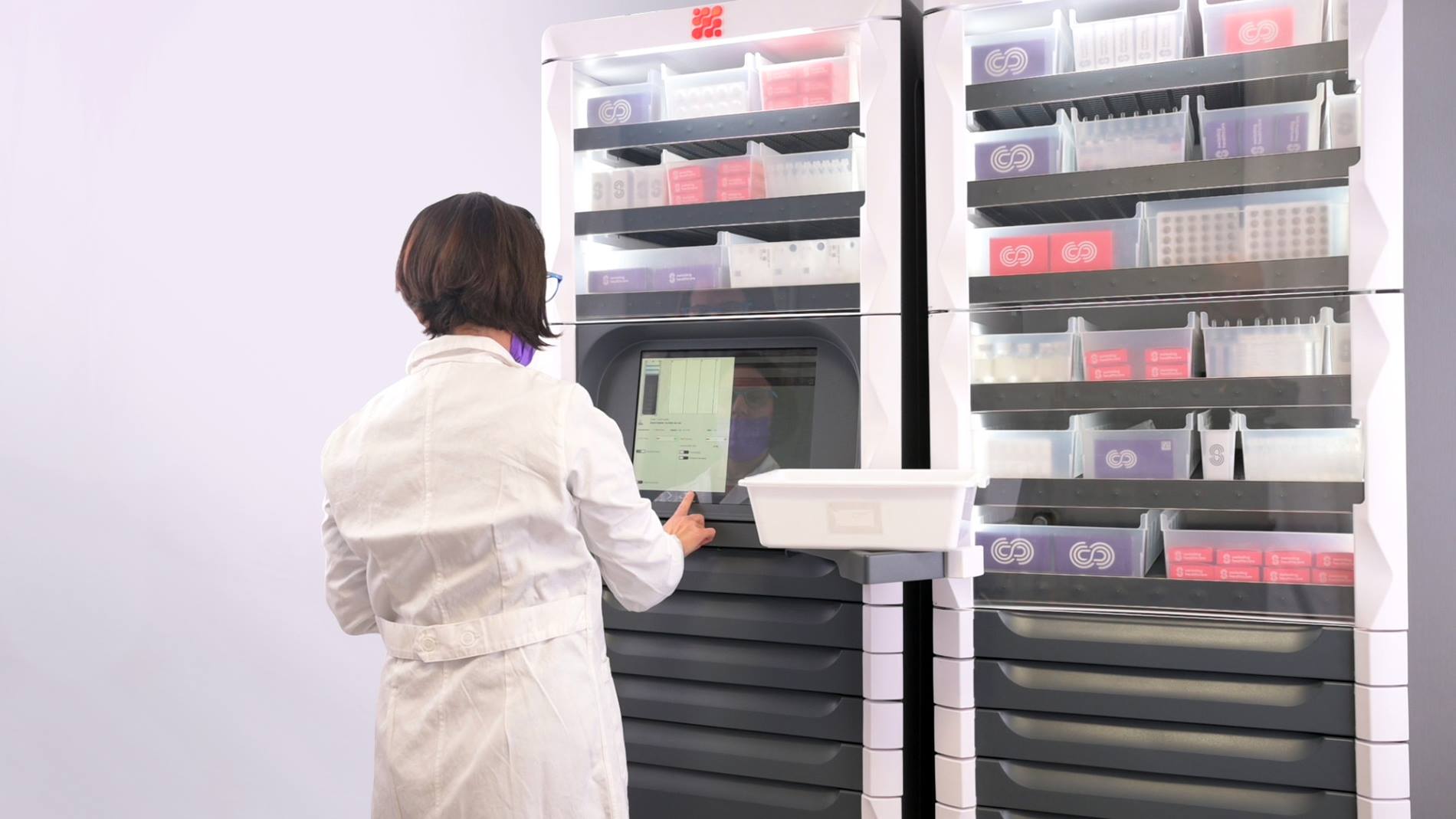
Clinical staff have always done all they can for their patients. Thankfully, due to advancements in technology, they don’t have to work alone. The future of patient care is equipment like the innovative pneumatic tube system.
Regulatory Innovation
This infrastructure helps hospitals keep pace by exceeding time-based legislation requirements. It guarantees that medical materials reach wards as quickly as possible so staff can focus on patient care.
Physical Innovation
It is estimated that by 2030, the world will face a shortage of 4.5 million nurses. The increased workload for remaining staff leads to burnout, which negatively affects treatment. The system is designed to assist nurses with their tasks, ultimately increasing their efficiency.
Security Innovation
According to a 2024 study, 42% of all healthcare-related ransomware attacks in Europe targeted hospitals. By transporting sensitive materials and documents on premises through the pneumatic tube system, hospitals will eliminate the risk of outside attacks.
Financial Innovation
Also, according to a 2024 study, hospitals in many European nations are continuously facing financial deficits. By investing once in high-quality technology systems, facilities can be more financially secure.
Virtual Innovation
Most hospital pharmacies can transport over 90% of their materials in a carrier. The system acts as an advanced form of touchless technology that securely transfers materials without transferring bacteria and pathogens.

Source: Swisslog

Making Healthcare Easier to Understand
Healthcare communication should be clear, accurate, and easy to understand. However, medical information often includes technical terminology and complex processes that can overwhelm patients. Whether explaining a treatment plan, introducing a new healthcare service, or educating people about preventive care, presenting information in a simple way is essential.
This is where healthcare explainer videos make a real difference. By combining engaging animation with straightforward storytelling, these videos transform complex medical topics into visual content that patients can easily understand. As more healthcare organizations embrace digital communication, animated videos have become one of the most effective ways to educate, inform, and build trust.
The Benefits of Visual Learning
People often remember information better when they can see it rather than simply read it. Animated explainer videos use visuals, motion graphics, and professional narration to explain medical concepts step by step, making them easier to follow.
Healthcare providers commonly use animated videos to explain:
- Medical procedures
- Treatment plans
- Medication instructions
- Preventive healthcare
- Chronic disease management
- Telemedicine services
- Patient onboarding
- Medical device demonstrations
This visual approach helps patients better understand important healthcare information while reducing confusion and improving confidence.
Supporting Better Patient Engagement
Patients who understand their healthcare journey are more likely to follow treatment plans and actively participate in their care. Educational videos provide information in a format that patients can watch before appointments, review after consultations, or share with family members.
Professional healthcare explainer videos also help healthcare professionals save time by answering common questions before patients visit a clinic or hospital. This allows doctors and medical staff to focus more on personalized care while ensuring patients have access to reliable educational resources whenever they need them.
Strengthening Digital Healthcare Communication
Today, most patients search online before choosing a healthcare provider or learning about a medical condition. Healthcare organizations that include educational videos on their websites create a more engaging experience for visitors.
Animated videos can also be shared through YouTube, LinkedIn, Facebook, Instagram, patient portals, webinars, and email campaigns. This allows organizations to maintain consistent messaging while reaching patients across multiple digital platforms.
Educational content not only improves patient understanding but also helps establish credibility and strengthens an organization’s online presence.
Conclusion
The demand for healthcare explainer videos continues to grow because they simplify medical communication while improving patient education and engagement. They help healthcare organizations explain complex topics, build trust, and create meaningful connections through clear visual storytelling.
As healthcare continues to evolve, animated explainer videos will remain a valuable communication tool for educating patients, supporting healthcare professionals, and delivering information in a way that is both engaging and easy to understand.
What to Compare When Choosing a Prescription Approach for Rosacea

Why the Pneumatic Tube System is the Future of Patient Care
How Regenerative Medicine Is Changing the Way Joint Pain Is Treated

The Ultimate Guide to Managed IT Security for Small Businesses
Standard Operating Procedures: A Template for Any Business

Why Injury Victims Trust a Naples Personal Injury Lawyer to Protect Their Rights

Foods That Make It Harder to Keep Braces Clean

Can Bottled Water Be Sustainable? Innovations Changing the Industry

Choosing a Color Palette for Your Summer Quinceanera

Doing More with Less: Why Smart Businesses Let the Experts Handle Their Mailing Services
-
 Beauty7 years ago
Deep Breathing Techniques To Change Your Life
-
 Beauty7 years ago
Six Essential Food Items For Runners
-
 Featured7 years ago
There’s More To Weight Loss Than Dieting
-
 Beauty7 years ago
Healthy Choices To Help You Live Longer
-

 Beauty6 years ago
8 Ways to Prevent Acne Breakouts
-

 Featured6 years ago
Turn Your Extra Rice Into Something More
-

 Featured6 years ago
The Fur-Parent’s Guide to Caring for Your Dogs During and After a Lockdown
-
 Uncategorized7 years ago
Microsoft plans to reach negative carbon emissions by 2030 * Establishing $ 1 billion funds to find solutions