
Business
Steps to Take If Your Car Accident Happened While on Vacation in Fort Lauderdale


After a Fort Lauderdale crash, move to safety, activate hazards, call 911, and cooperate with responders.
Exchange driver, insurer, and policy details; photograph plates, damage, positions, signals, and weather; obtain the police report number and witness contacts.
Notify the rental company immediately and your insurer within 24 hours; log claim numbers and expenses.
Seek prompt medical care, save all records, and track symptoms.
Know Florida PIP covers medical/lost income, not vehicle damage.
Consider contacting the Law Offices of Anidjar and Levine to protect your rights and navigate the complexities of your case.
For more information, visit a Fort Lauderdale Car Accident Lawyer to understand your options.
Key Takeaways
- Ensure safety, call 911, report hazards, get a police report number, and cooperate with first responders at the scene.
- Exchange driver and insurance details, photograph plates, vehicle positions, road conditions, and collect witness contacts and surveillance info.
- Notify the rental car company immediately if applicable, follow its incident protocol, and document all communications and claim numbers.
- Seek prompt medical evaluation, save all medical records and receipts, and track symptoms, treatments, and missed work.
- Notify your insurer within 24 hours, understand Florida PIP and property damage rules, and consider consulting a Fort Lauderdale injury attorney.
Prioritize Safety and Call 911
Even if the scene looks calm, your first responsibility after a crash in Fort Lauderdale is to guarantee safety and call 911. Park in a safe spot if possible, activate hazard lights, and assess immediate risks such as traffic, fire, or leaking fuel. Keep bystanders away from hazards, and ask a responsible person to guide vehicles until responders arrive.
Check yourself and passengers for injuries, then look to others. If someone is unresponsive, call 911 immediately, begin CPR if trained, and guarantee breathing by opening the airway. Avoid moving injured individuals unless there’s imminent danger. Offer reassurance, keep victims warm, and monitor their condition while you wait for help.
Provide dispatch with precise location details, the number of people involved, and apparent injuries. Follow the dispatcher’s instructions without improvisation. When safe, document the scene with photos and note road conditions, but do not obstruct traffic. Remain calm, visible, and cooperative with first responders.
Exchange Information and Notify Your Rental Car Company
After ensuring safety, you should collect crucial details from all parties, including names, contact information, driver’s license numbers, license plates, insurance carriers, and the exact location and time. Contact your rental car company immediately, report the incident, and follow its instructions regarding towing, replacement, and claims handling. Document every communication and policy reference, noting claim numbers, representative names, and required deadlines to protect your coverage and preserve evidence.
Essential Details to Collect
While the scene remains fresh and secure, collect and exchange vital information with precision, then promptly notify your rental car company. Record the other driver’s full name, phone, address, license number, and insurer. Photograph license plates, vehicle positions, road conditions, and visible damage. Note time, location, weather, and witness contacts. Confirm policy numbers and roadside assistance details, considering insurance options and local regulations that may affect reporting and liability.
| Item | Details to Capture |
|---|---|
| Drivers | Names, licenses, phone numbers |
| Vehicles | Plates, VINs, make/model, photos |
| Coverage | Insurer, policy number, claim phone |
Share only factual observations, and avoid admitting fault. Request a police report number, and verify jurisdiction. Cross-check all entries for accuracy, then store copies in a secure folder. Provide your rental agreement and photos when communicating.
Contact Rental Company Immediately
With the core facts documented and exchanged, contact your rental car company immediately to report the collision and receive guidance. Provide the location, time, and parties involved, and state whether the vehicle is drivable. Ask for a case number, towing instructions, and approved repair facilities, then follow their directions precisely to protect coverage.
Confirm your rental liability terms and any contract obligations that control reporting deadlines, vehicle handling, and authorization for repairs. Clarify whether roadside assistance, replacement vehicles, or reimbursement apply, and identify any deductible or exclusion that may affect you. Request instructions for submitting the police report and photographs.
Share insurance information from all drivers, and verify whether the rental company will communicate with insurers directly. Prompt, accurate notice demonstrates good faith and helps safeguard your rights.
Document Communication and Policies
Capture every communication in writing, and centralize your records to establish a clear, verifiable timeline. Exchange full names, phone numbers, driver’s license numbers, insurance details, license plate numbers, and the rental vehicle’s contract number. Photograph documents and confirm details by text or email, creating a reliable record for later review.
Notify your rental car company promptly, then document every rental correspondence, including the date, time, representative’s name, and instructions provided. Request the company’s written accident procedures and highlight any policy exclusions that could affect coverage, such as unauthorized drivers, impaired operation, or off-road use. Save call logs, voicemails, emails, and claim portal screenshots in a single folder. Send a concise summary email after each call to confirm next steps, preserve accuracy, and demonstrate good-faith cooperation.
Document the Scene With Photos, Video, and Notes
Act quickly to capture crucial evidence, taking clear photos and video of vehicle positions, damage, skid marks, traffic signals, weather, roadway conditions, and any visible injuries. Document the time, location, and sequence of events in concise notes, and preserve details such as license plates and insurance information shown on scene. Record witness details by obtaining names, phone numbers, email addresses, and brief statements, noting where each person stood and what they observed.
Capture Key Evidence
In the minutes after a crash, the evidence you document can determine the strength of your claim. Prioritize clear, thorough capture of the scene. Build a photographic timeline from wide shots to close-ups, showing vehicle positions, skid marks, traffic controls, weather, and road debris. Use GPS logging on your phone to timestamp and geotag images, reinforcing where and when events occurred. Record videos that sweep the intersection and include ambient sounds, such as horns or sirens, for added context. Take organized notes about conditions, lane markings, lighting, and your immediate observations, then secure all files in a cloud folder.
1) Photograph damage, distances, and road conditions from multiple angles.
2) Record a narrated video walkthrough of the scene.
3) Note time, location, weather, and traffic signal cycles.
Record Witness Details
Beyond photos and video, witness accounts can anchor your timeline and corroborate fault, so approach bystanders promptly and methodically. Introduce yourself, confirm their safety, and request permission to record brief witness statements while details remain fresh. Ask what they saw, where they stood, and when pivotal events occurred, avoiding leading questions. Capture neutral facts, not opinions.
Secure accurate witness contact information, including full name, mobile number, email, and local address if available. Photograph their ID only with consent, and verify spellings. Note distinguishing features or attire to identify them later. If a witness is unwilling to speak, politely ask for minimal contact details for follow-up. Summarize each account in your notes, timestamp entries, and store records jointly. Provide copies to your insurer and attorney promptly.
Seek Prompt Medical Care and Track All Treatment
Prioritizing immediate medical evaluation after a Fort Lauderdale car accident protects your health and strengthens any future claim. Even if you feel stable, seek urgent care to rule out hidden injuries, document symptoms, and establish a clear timeline. You serve yourself and others best when you address injuries promptly, comply with treatment, and create reliable records that stand up to scrutiny.
Track every detail of your care with discipline and consistency. Save hospital intake forms, diagnostic reports, and discharge instructions. Maintain medication records, noting dosages, side effects, and refill dates. Keep a calendar for follow up appointments, therapy sessions, and specialist visits, and confirm attendance.
- Photograph visible injuries over time, linking images to dates and clinical notes.
- Maintain a treatment journal, recording pain levels, activity limits, and work impacts.
- Collect all billing statements and receipts, including transportation and medical devices, and store them securely.
Consistency demonstrates diligence and supports accurate loss valuation.
Report the Crash and Start Your Insurance Claims
Start by promptly reporting the collision to law enforcement and your insurer, setting a clear foundation for any claim you pursue. Call the non-emergency police line if safe, or 911 for hazards, and request an official report number. Document the scene methodically: photos of vehicle positions, damage, skid marks, traffic controls, weather, and visible injuries. Collect names, phone numbers, license details, and insurers for all drivers and witnesses.
Initiate insurance notification within 24 hours, even if fault isn’t clear. Provide factual details only, and avoid speculative statements. Ask the adjuster about required forms, the claim timeline, and inspection procedures. Keep a meticulous log of every call, email, and document you submit. If you’re using a rental, notify the rental company immediately and follow its incident protocol. Preserve receipts for towing, repairs, rideshares, and lodging disruptions. Consistent, organized reporting protects your credibility, prevents avoidable delays, and positions your claim for timely, fair handling.
Understand Florida’s No-Fault and Threshold Injury Rules
Although Florida is a no-fault state, the rules don’t bar you from pursuing additional recovery when injuries are serious. Your Personal Injury Protection (PIP) benefits cover a portion of medical bills and lost income regardless of fault, which helps you stabilize care and obligations. However, PIP doesn’t cover property damage to your vehicle; that typically flows through the at-fault driver’s insurer or your collision coverage.
To serve others effectively, understand when claims can go beyond PIP. Florida’s threshold injury rules allow a personal injury claim against the at-fault driver if you meet the statutory definition of “serious injury,” which includes significant and permanent loss of an important bodily function, permanent injury, significant scarring, or death.
- Document symptoms and medical findings that indicate permanence or significant impairment.
- Track all losses, including out-of-pocket expenses, wage impacts, and property damage.
- Preserve evidence of liability, such as photos, witness details, and repair estimates.
Consult a Local Attorney and Protect Deadlines
Even if you’re still managing medical appointments and insurance calls, consult a Fort Lauderdale personal injury attorney as soon as possible to protect your rights and preserve evidence. Local counsel understands Broward County courts, insurer practices, and Florida’s procedural rules, which can differ from your home state. Early guidance helps secure surveillance footage, scene photographs, and witness statements before they disappear, strengthening your claim and reducing disputes over fault.
Ask your attorney to provide deadline reminders for every essential date. Florida’s statutes of limitations, pre-suit notice requirements, and insurer reporting rules are unforgiving, and missing one can bar recovery. Your lawyer can coordinate medical record requests, monitor PIP timelines, and ensure liens are addressed correctly. They’ll also manage communications with adjusters, shielding you from statements that may be taken out of context. If you must return home, your attorney can handle filings locally, arrange remote appearances, and keep your case moving while you focus on healing and responsibilities.
Conclusion
By acting methodically after a Fort Lauderdale vacation crash, you’ll protect your health, preserve evidence, and safeguard your claims. Call 911, document the scene, notify the rental company, and seek prompt medical care. Report the crash to your insurer, understand Florida’s no-fault and threshold injury rules, and keep thorough records. Consult the Law Offices of Anidjar and Levine early to evaluate liability, manage communications, and meet strict deadlines. These disciplined steps position you to pursue compensation efficiently while avoiding costly mistakes. For more assistance, consider reaching out to a Fort Lauderdale Car Accident Lawyer.

You spend an afternoon washing every window in the house or office, step back to admire your work, and then the sunlight hits the glass. Suddenly, streaks, smears, and cloudy patches appear everywhere. Streaky glass is one of the most common cleaning frustrations, and it often has little to do with effort. That’s a big reason professional window cleaning crews consistently deliver streak-free results for both residential and commercial properties: they control every factor with the right equipment and technique. Below are the most common causes and why so many homeowners and business owners choose to leave the job to the pros.
The Wrong Cleaning Solution
Many store-bought glass cleaners contain soaps, dyes, or ammonia that leave a thin film on the glass. Using too much product makes it worse, since the extra solution dries before you can wipe it away. For small DIY jobs, a few drops of mild dish soap in warm water works well. Professional cleaners use commercial-grade solutions formulated to lift dirt without leaving residue — a difference that shows on storefronts and office glass where first impressions matter.
Dirty or Low-Quality Squeegees
A nicked, worn, or dirty squeegee blade skips across the surface and leaves thin lines. Replace the rubber edge when it becomes rounded, wipe the blade after every stroke, and store it so the rubber isn’t pressed against hard surfaces. Professional cleaners use commercial-grade squeegees, replace blades regularly, and carry extension equipment for high windows — tools most homeowners and office managers don’t have on hand.
Cleaning in Direct Sunlight
Warm glass causes cleaning solution to evaporate before you can wipe it away, leaving soap and dirt behind. For DIY cleaning, work on overcast days or in the early morning. Professional crews schedule and sequence their work around sunlight and shade, which is one reason results are more consistent — especially on properties with large glass surfaces.
Hard Water Mineral Deposits
Tap water contains calcium and magnesium that dry on glass as white spots or a cloudy haze. Distilled or filtered water helps prevent new deposits. For existing buildup, a vinegar solution or mineral-removal cleaner can dissolve the staining. Professional cleaners carry specialized treatments for heavy deposits and can restore glass that looks permanently stained — a common problem on commercial storefronts and homes with irrigation systems near windows.
Dirty Cloths and Poor Technique
Cloths holding dirt, grease, or fabric softener spread residue across clean glass. Use lint-free microfiber, wash without fabric softener, and swap for a fresh cloth once it’s damp. Technique matters just as much: wiping in circles pushes dirt around, and skipping frames lets dirty water drip onto clean panes. Work top to bottom in straight, overlapping squeegee strokes, wipe the blade after each pass, and finish edges with a dry cloth.
The Value of Professional Window Cleaning
Whether you own a home or manage a commercial property, professionally cleaned windows offer more than clear glass. They let in more natural light and, for businesses, signal professionalism to every client who walks through the door. Regular service also extends window life. Dirt, mineral deposits, and oxidation wear down glass and seals over time. Catching those issues early costs far less than replacing windows — protecting home value for residential clients and keeping commercial buildings looking well-maintained year-round.
Final Thoughts
Streaks come down to a few fixable causes: residue-heavy cleaners, worn squeegees, dirty cloths, direct sunlight, hard water, and poor technique. Each is manageable with the right knowledge. But for homeowners who want lasting results without the trial and error, and for businesses where clean windows affect how customers see the property, professional window cleaning delivers consistency, safety, and care that’s hard to match on your own.
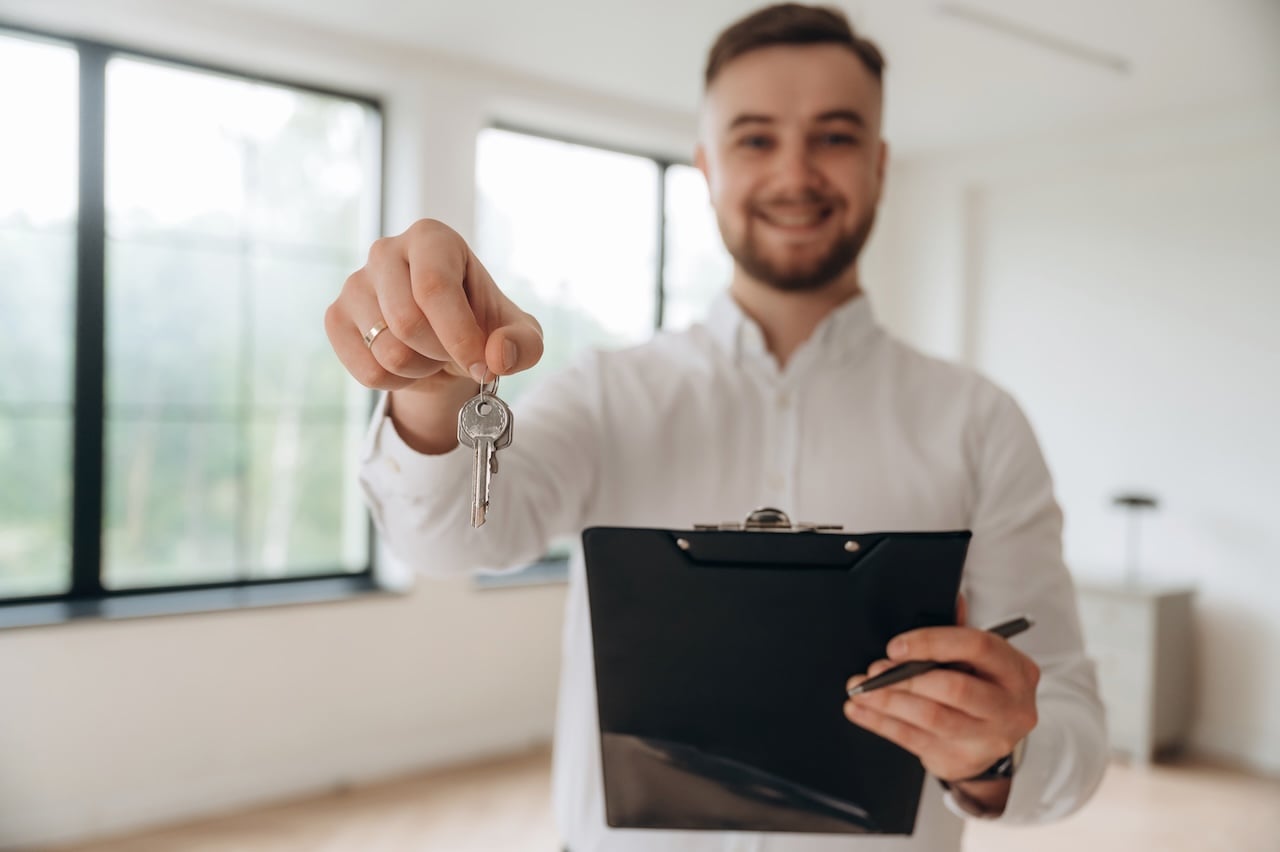
Buying a rental property is only the first step. The real returns come from how you run it month after month. Smart choices about location, pricing, tenants, and upkeep separate profitable rentals from money pits. Many successful investors also rely on professional property management services to handle the daily work and protect their income. This guide covers the strategies that matter most and shows where expert help can make a measurable difference.
Choose the Right Property
A profitable rental starts with the right purchase. Look for neighborhoods with steady job growth, good schools, public transit, and nearby shopping. These features attract reliable tenants and support long-term value.
Run the numbers before you buy. Compare expected rent against your mortgage, taxes, insurance, and repair costs. An experienced property manager can review local rental demand and realistic rent ranges, so you avoid overpaying for a property that won’t cash flow.
Set Competitive Rent
Pricing too high leads to empty months. Pricing too low leaves money on the table every year. The goal is a rate that matches the market and draws quality applicants quickly.
Research comparable units nearby, and adjust for size, condition, and amenities. Professional managers track local rental trends closely. They can price your unit accurately and recommend fair increases at renewal time.
Reduce Vacancy Rates
Every vacant month cuts into your annual return. To keep units filled:
- Advertise on multiple rental platforms with clear photos and detailed descriptions
- Respond to inquiries within hours, not days
- Prepare the unit for showings as soon as a tenant gives notice
- Offer renewal terms early to keep good tenants in place
Property managers often fill units faster because they have established marketing systems and dedicated staff to handle showings.
Screen Tenants Carefully
One bad tenant can wipe out a year of profit through unpaid rent, damage, or eviction costs. Thorough screening is one of the best ways to protect your investment.
A solid process includes:
- Credit and background checks
- Income and employment verification
- Rental history and references from past landlords
Screening must also follow fair housing laws. Professional managers apply consistent, compliant criteria to every applicant, which lowers your legal risk and improves tenant quality.
Keep Up With Maintenance
Well-maintained properties attract better tenants, command higher rent, and hold their value. Schedule regular inspections, service major systems like furnaces and water heaters, and fix small problems before they grow.
Quick repairs also keep tenants happy and more likely to renew. Property managers have networks of trusted contractors, which usually means faster response times and fair pricing. They also handle after-hours emergencies, so you don’t have to.
Track Your Financials
You can’t improve what you don’t measure. Keep detailed records of rent collected, expenses, repairs, and taxes. Review your cash flow and return on investment regularly to spot trends and plan upgrades.
Professional managers provide monthly statements and year-end reports that simplify tax season. Their consistent rent collection systems, including online payments and firm late-fee policies, also create steadier, more predictable cash flow.
Why Professional Management Boosts Returns
Many landlords see management fees as a cost to avoid. In practice, the right manager often pays for themselves through shorter vacancies, better tenants, fewer legal mistakes, and lower repair bills. Just as important, you get your time back. That makes it easier to grow your portfolio without growing your workload.
Putting It All Together
A rental pays off when you buy in the right location, price it well, keep it occupied, and care for it consistently. Careful tenant screening and clear financial tracking protect your income over the long run. Professional management strengthens each of these areas with market expertise, reliable screening, legal compliance, trusted contractors, and steady cash flow. For most investors, that support turns a good property into a truly rewarding investment.

Introduction
Building a performance car is more effective when every major system is considered together. Increasing engine power without improving braking, cooling, or tire grip can create an unbalanced vehicle. A thoughtful build focuses on how components interact and sets clear priorities based on the intended use of the car.
Define Your Goal First
Start by deciding whether the car is mainly for commuting, spirited road driving, towing, or occasional track use. Each purpose requires a different balance. A daily driver may benefit more from reliability and responsive handling, while a track-focused vehicle may need additional heat management and specialized components.
Build a Strong Foundation
Maintenance should come before performance modifications. Check the engine, cooling system, brakes, suspension, and drivetrain for existing problems. Replacing worn components creates a reliable foundation and makes it easier to evaluate later upgrades. It also reduces the risk of new performance parts exposing weaknesses in older systems.
Balance Power With Grip and Braking
More horsepower is useful only when the vehicle can transfer it to the road and stop effectively. Quality tires, suitable brakes, and controlled suspension should be considered alongside engine upgrades. Cooling is also important because additional power can increase heat. When researching compatible performance products, aro speed can be a useful source to explore.
Upgrade Gradually
Installing everything at once can make a project expensive and difficult to troubleshoot. A staged approach allows you to test each modification and decide what the vehicle actually needs next. Keep notes about changes, maintenance, and driving behavior so you can identify what works and what does not.
Conclusion
A balanced performance setup is built around clear goals, reliable maintenance, and compatible components. Focus on the complete vehicle rather than maximum power alone. By upgrading gradually and considering tires, brakes, suspension, cooling, and engine performance together, you can create a car that is enjoyable, dependable, and well suited to its intended use.
A dermatologist asks the chatbot who to see, and gets three names that are not hers

What Causes Streaks on Windows After They’re Cleaned?

How Banking-Focused IT Support Helps Reduce Compliance Risk

Heather Spadaro’s Refreshing Approach to Makeup Education: Breaking Beauty Rules and Keeping It Real

How to Make Your Next Rental an Investment That Pays Off

Healing Vegetarian Candida Recipes to Try

Server Virtualization: A Smarter Foundation for Your IT Infrastructure

Healthcare Explainer Videos: Simplifying Medical Communication for Every Patient

The Benefits of Incident Reporting in the Workplace

Smart Business Practices That Improve Productivity and Profitability
-
 Beauty7 years ago
Deep Breathing Techniques To Change Your Life
-
 Beauty7 years ago
Six Essential Food Items For Runners
-
 Featured7 years ago
There’s More To Weight Loss Than Dieting
-
 Beauty7 years ago
Healthy Choices To Help You Live Longer
-

 Beauty6 years ago
8 Ways to Prevent Acne Breakouts
-

 Featured6 years ago
Turn Your Extra Rice Into Something More
-

 Featured6 years ago
The Fur-Parent’s Guide to Caring for Your Dogs During and After a Lockdown
-
 Uncategorized7 years ago
Microsoft plans to reach negative carbon emissions by 2030 * Establishing $ 1 billion funds to find solutions