
Uncategorized
Simple Habit Trackers for Anyone Changing a Daily Routine


Changing a daily routine is harder than it sounds. A new walk after dinner, an earlier bedtime or a shift in how a free evening is spent all depend on remembering what happened yesterday. A simple tracker can turn vague intentions into a clear record. The goal is not to judge the results but to notice patterns and adjust. This guide covers the tools that make tracking easy and the features that add clutter without much value.
This article offers general information about habits and organization. It does not offer medical advice, and questions about health are best raised with a qualified professional. The tools below are for personal reflection and planning only.
Paper Journals and Notes App Basics
A paper notebook with a simple daily page is a low pressure way to start. Write a few words each evening about what you planned and what happened, without worrying about neat handwriting. Keep the notebook beside the bed or the kettle, so it becomes part of an existing routine rather than another chore. A notebook placed in plain view is more likely to be used than one tucked in a drawer.
A notes app on a phone works well for people who prefer typing. Create one note per week with a short line for each day. Readers may also want to visit successwithtaylor.com. Choose one method and stick with it for several weeks before deciding whether it fits. A method that feels effortless after two weeks is usually a good sign, while one that needs constant willpower may need a simpler design.
Reminder Settings Without Overload
A single daily reminder is usually more effective than a dozen alerts that buzz all day. Set the reminder for a time when you are already free, such as just after the morning coffee or before dinner. Keep the wording short and specific, so the reminder tells you exactly what to do next.
You can also visit Jobs In Macon GA’s business guides for more reading. Mute notifications from other apps during the tracking window, so the reminder stands out. Review the reminder settings every few weeks and remove any that no longer serve a purpose.
Some people find that a reminder works better as a small visual cue, such as a glass left on the counter or a note on the fridge door. Visual prompts often need less upkeep than phone alerts and do not compete with messages.
Calendar Blocks and Weekly Reviews
Blocking time on a shared calendar makes a new routine visible to everyone in the household. Mark the same slot each week for the activity, and treat it like any other appointment. A calendar view also shows conflicts early, so a busy weekend does not quietly erase the plan.
A short weekly review keeps the tracker useful. Spend ten minutes looking at the week, noting what went smoothly and what felt difficult. For a related read on this site, see Scaling a Small Wellness Habit Into Daily Life. Adjust one small thing at a time rather than rewriting the whole plan. Small changes are easier to evaluate, and they leave room to notice what actually made the difference.
Tracking Gadgets Most Readers Can Skip
Wearable devices that count every step, heartbeat and minute of sleep can be interesting, but they often produce more numbers than anyone can act on. Many readers find that a handwritten log answers their real questions just as well. A pencil and a card can be carried anywhere, and the act of writing by hand often makes the record more memorable. If a device is already owned, use only the one or two measures that matter for the goal.
Subscription apps with detailed dashboards and social features can add pressure instead of clarity. A plain checklist works for most people who want to track a simple habit. Start with the lowest cost and lowest effort option, and move up only when the basic method no longer serves the purpose. Most people find that a pencil and a calendar carry them further than they expected.
Reviewing Progress Without Judgment
Progress is easier to see when you record what happened rather than how well you performed. Write the facts, such as the time you started, the length of the activity and any obstacles that came up. Treat missed days as information about the routine, not as a failure of character.
Look for patterns across several weeks. A missed evening might point to a schedule clash, a tired afternoon or a meal that landed too late. Changing one variable at a time shows what helps, and it keeps the tracker feeling supportive.
Share the review with a friend or a partner who understands the goal, but keep the notes private if that feels more comfortable. The purpose is clarity, not a score that must be defended.
Small Steps, Clear Notes
A paper journal or a simple app, a single reminder and a weekly review cover most needs. Skip gadgets that add numbers without clarity. Clear notes make it easier to notice what works and keep going.
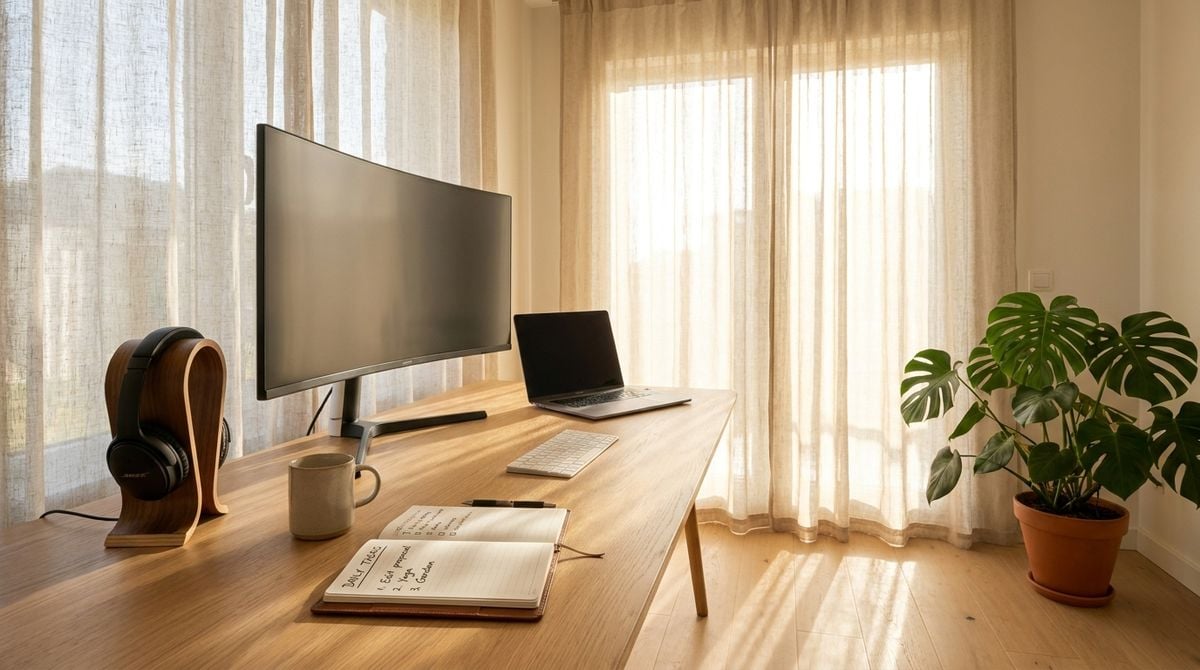
Technology can support daily wellbeing when it is used in simple, sensible ways. A timer that reminds you to stand, a comfortable desk setup and a steady sleep routine often do more good than a crowded drawer of gadgets. This guide covers practical tools that many people find helpful and points out which products are better left on the shelf. It is general information rather than medical advice.
Most people spend long hours with screens, phones and laptops, and the body feels the strain over time. Small changes in lighting, posture and breaks can make those hours easier to handle. The list below focuses on everyday items with clear, modest purposes. Where a health question arises, a qualified professional is the right person to ask.
Break Reminders and Movement Helpers
A basic timer or an app that prompts a short break can interrupt long stretches of sitting. Choose a reminder that is easy to dismiss so it does not become an annoyance. Short walks, gentle stretches and a glass of water make each break worthwhile. Consistency matters more than the length of any single pause.
Readers may also want to visit nurturingyoursuccessblog.com. Keep a resistance band or a small set of light weights near your workspace if you enjoy using them. Do not push through pain, and stop if movement causes discomfort. Gentle habits repeated daily add up over a month.
Lighting and Screen Comfort
A steady desk lamp with adjustable brightness helps reduce glare on the screen and keeps the workspace easy to read. Position the light to the side of your monitor rather than directly behind it. Many screens also include a built-in setting that adjusts color warmth in the evening. Try it for a week and notice whether the change feels comfortable.
You can also visit LIT Market for more reading. Blink often and rest your eyes by looking at something distant when you can. Keep the screen at a comfortable height so your neck does not tilt forward. Simple adjustments usually matter more than expensive accessories.
Natural light matters too. Set the desk near a window when the room allows it, and avoid placing the screen directly in front of a bright pane. Curtains or blinds can soften glare during the afternoon. Small changes to the room often help more than any accessory bought for the purpose. Reassess the arrangement each season as the sun moves across the sky.
Sleep Routine Gear
A plain alarm clock placed out of arm’s reach can replace a phone at the bedside. Blackout curtains or a sleep mask can block early light during the summer months. A fan or a white noise device may help some people settle into rest. Keep the bedroom cool and quiet, and reserve it for sleep as much as possible.
For a related read on this site, see Scaling a Small Wellness Habit Into Daily Life. Dim the lights an hour before bed and keep heavy meals earlier in the evening. Avoid promises that a single product will fix sleep problems. Speak to a qualified professional if rest issues persist.
Hydration and Desk Comfort
A water bottle with clear markings makes it easy to track how much you drink across the day. Fill it in the morning and refill it at set points, such as lunch and mid-afternoon. A supportive chair cushion and a footrest can also reduce fatigue during long sessions. Adjust the chair so your feet rest flat and your elbows sit near the desk.
Place the keyboard and mouse close enough that your shoulders stay relaxed. Consider a stand that lifts the laptop so the top of the screen sits near eye level. Change positions through the day rather than staying fixed in one shape. A comfortable setup encourages better habits without any extra effort.
A standing break can refresh the body and the mind when it is used sensibly. Stand for a few minutes each hour and shift weight between both feet. Keep the chair within easy reach so sitting down again feels natural. Listen to the body and return to a comfortable position whenever discomfort begins. Avoid forcing any posture that feels strained.
Gadgets to Leave on the Shelf
Some devices promise dramatic health results or claim to replace medical care. Those promises rarely hold up, and they can distract from practical steps that work. Be cautious with anything that claims to detoxify, cure or guarantee outcomes. Money is better spent on comfortable furniture and reliable lighting.
Many trackers produce large amounts of data that are hard to interpret without context. Choose one simple device at most and use it for a clear purpose. Turn off notifications that break focus and give the mind a rest. A modest set of well-chosen items usually serves wellbeing better than a cabinet full of gadgets.
Keep the Setup Simple
Review your setup every few months and remove anything you no longer use. Keep the timer, the lamp and the water bottle within easy reach. Good technology should fade into the background and let daily life feel lighter.

Lasting wellness changes rarely arrive through dramatic overhauls. More often they grow from one small habit that is repeated until it feels ordinary. Many readers are reviewing how they use nicotine products, how they sleep, how they move and how they eat, and the same principle applies to each area. This article explores how to scale a modest habit into a daily pattern that fits real life. It offers general wellbeing information only and is not a substitute for advice from a qualified health professional who can consider an individual situation. Small starts tend to survive ordinary weeks, which is exactly why they are worth choosing first. Starting with something that feels almost too easy is a sound way to begin.
Choosing One Habit to Start With
Begin with a habit that feels manageable on an ordinary day. A ten minute walk after dinner, a glass of water before the first coffee or a set bedtime on weekdays are all good starting points. Keep the goal specific and observable so progress is easy to see without guesswork. Readers may also want to visit itmarketingbootcamp.com. Keeping the record short and friendly makes it far more likely to be used on a difficult afternoon. Writing it at the same time each day helps the habit settle in.
Tracking the Habit Without Making It Heavy
A simple record keeps the habit visible without turning it into a chore. Use a notebook or a calendar and mark each day the habit was completed. If you are reviewing how often you use nicotine or other products, note the times and situations rather than judging yourself harshly. You can also visit Small A Projects for more reading. Surroundings that signal the new habit, such as a bottle on the desk, serve as gentle reminders throughout the day. A glass placed beside the kettle can serve as a daily signal for water.
Building Supportive Surroundings
Environment shapes habits more than willpower does. Place water where it is easy to reach, keep walking shoes near the door and arrange the living room so the most useful choices are also the most convenient. If a habit involves a product, consider storing it away from the spot where you relax. Friends and family can help by agreeing on shared activities, such as a weekend stroll. For a related read on this site, see Setting Up a Standing Desk Routine Without Overdoing. Friends who understand the goal can cheer progress without turning it into a competition. Quiet evenings are a good time to plan the next small step.
Adding a Second Habit Only After the First Holds
Once the first habit feels automatic, it is time to consider a second. Choose something that complements the first, such as a short stretch after the morning walk. Adding habits too quickly leads to fatigue and quiet abandonment, so pace matters a great deal. A second habit should only be introduced after the first has become a regular part of the week. This slow approach keeps the overall plan steady and gives each change room to settle. A kind and realistic response to a lapse often matters more than the lapse itself. Clear roles and simple tools make the plan easier to keep on track.
Handling Setbacks Without Starting Over
Setbacks are normal and do not erase progress. A missed day is information, not a verdict on the whole plan. Return to the habit at the next opportunity, and avoid making a dramatic promise to compensate for the lapse. If a setback involves symptoms or concerns about nicotine use, speak with a clinician who can review the options and provide individual guidance. The goal is a pattern that bends without breaking under ordinary pressure. Reviewing the pattern with curiosity rather than criticism keeps the process grounded in real experience. Writing down the reason behind each change can make the next decision clearer.
Reviewing the Pattern Each Month
Once a month, look at the record and ask what supported the habit and what got in the way. Adjust timing, reduce goals that feel heavy and celebrate small wins along the way. Share the review with a trusted friend if that feels helpful. Monthly reviews turn an experiment into a dependable part of life that can grow over time without feeling forced or rushed. Long term gains come from many ordinary days rather than a few heroic efforts.
Small Steps That Hold Over Time
A modest habit repeated with care can grow into a dependable part of daily life. Choose one starting point, track it gently, build a supportive setting and add change slowly. Setbacks are part of the process, and professional advice remains available whenever it is needed. Steady progress, not perfection, is the real goal. The best plans are the ones that still feel possible on the hardest weekdays. Every small step earns the next one.

A stretching routine is one of the easiest wellbeing habits to start and one of the easiest to abandon. Many people begin with real enthusiasm, then lose the thread after a busy week at work or a few late nights. Simple apps and phone reminders can help, but only when they are used in a small and sensible way that fits into ordinary life. This article describes how one short session can grow into a steady routine with technology that already sits on the phone. It is general information and does not replace advice from a qualified health professional.
Choosing One Short Session
Begin with a routine that takes no more than ten minutes and covers the neck, the shoulders, the hips and the calves. Write the sequence on a card or in a notes app, so that you do not need to remember every movement while the timer is running. Choose a time of day that already has a habit attached to it, such as right after brushing your teeth or after the morning coffee. Readers may also want to visit prozholding.com. Keep the goal modest so that the habit takes root before the routine is allowed to grow.
Using Reminders Without Overload
A single daily reminder is usually enough to keep a stretching habit alive, and more alerts often produce less consistency rather than more. Set the reminder in the phone’s calendar with a short, friendly label, and avoid adding several reminders that compete with each other for attention. Turn off notifications from other apps during the session if they tend to pull you away from the movements. You can also visit work-at-home-net-guides.com for more reading. Fewer alerts, placed at the right moment, usually produce more consistent results than a crowded schedule that feels like a list of demands.
Tracking Sessions in a Simple Log
A basic log shows whether the routine is holding, and it does not need to be elaborate to be useful. Record the date, the length of the session and a single word describing how the body felt afterward. A spreadsheet with three columns is enough for most people, and a notebook works just as well if a screen feels like a distraction. Review the log once a week and look for gaps rather than failures, because a gap simply tells you when to adjust the timing. For a related read on this site, see Setting Up a Standing Desk Routine Without Overdoing.
Adding Length or Variety Slowly
When the short session begins to feel easy and predictable, add a minute or two rather than doubling its length all at once. Change one movement at a time so that you can notice which stretches the body responds to and which ones feel less helpful. Keep a rest day in the week if the routine starts to feel like a chore to be finished rather than a pleasant pause. Gradual growth protects the habit from burnout and keeps the practice enjoyable enough to continue. The routine should feel slightly lighter over time, not heavier, and that feeling is a good sign to keep following.
It helps to set a simple rule for what counts as a completed session, so that short sessions still count and the log stays encouraging. For example, a session that covers only part of the usual movements is still worth recording. Honest recording protects the habit from perfectionism, which often causes people to quit. A good log tells a story of persistence rather than of flawless days.
Handling Missed Days Gracefully
Every routine has gaps, and a single missed day does not undo the progress that has already been made. Resume at the next scheduled time rather than trying to repeat an entire week of sessions in one go. If life becomes unusually busy, return to the shortest version of the routine and build back up gradually over the following days. Treat each restart as part of the practice rather than as a verdict on your discipline or your character. A calm restart is one of the strongest predictors that a habit will last for years.
Reviewing the Routine Each Month
Once a month, look at the log and ask what has improved, what has stalled and what has felt unpleasant during the sessions. Swap in a different movement if one consistently feels uncomfortable, and reduce the session length during weeks when mornings have become rushed. Share the routine with a friend or a family member if you enjoy company, since a shared plan often lasts longer than a solo one. A monthly review keeps the habit honest, practical and adaptable to the seasons of life. It also reminds you why the routine was started in the first place.
Technology as a Quiet Helper
Technology works best as a quiet helper for a wellbeing routine, not as the center of attention. A single reminder, a short log and a modest session can carry you much further than a crowded app full of features. Keep the steps small, let the routine grow at its own pace and allow the phone to fade into the background. The habit that lasts is usually the one that begins to feel ordinary.

Simple Habit Trackers for Anyone Changing a Daily Routine

Health-Friendly Gadgets and What to Leave on the Shelf

Scaling a Small Wellness Habit Into Daily Life

A Stretching Routine Built One Session at a Time With Simple Apps

The Wellbeing Signals Outsiders Notice Before the User Does
Standard Operating Procedures: A Template for Any Business

How to Choose the Perfect Home Decor for Your Business

The Ultimate Guide to Managed IT Security for Small Businesses
How Regenerative Medicine Is Changing the Way Joint Pain Is Treated

Why the Pneumatic Tube System is the Future of Patient Care
-
 Beauty7 years ago
Deep Breathing Techniques To Change Your Life
-
 Beauty7 years ago
Six Essential Food Items For Runners
-
 Featured7 years ago
There’s More To Weight Loss Than Dieting
-
 Beauty7 years ago
Healthy Choices To Help You Live Longer
-

 Beauty6 years ago
8 Ways to Prevent Acne Breakouts
-

 Featured6 years ago
Turn Your Extra Rice Into Something More
-

 Featured6 years ago
The Fur-Parent’s Guide to Caring for Your Dogs During and After a Lockdown
-
 Uncategorized7 years ago
Microsoft plans to reach negative carbon emissions by 2030 * Establishing $ 1 billion funds to find solutions