
Uncategorized
Restarting a Screen Time Reset After a Rough Stretch

A screen time reset often begins with a clear promise. Phones go into a drawer at night, the morning begins with a walk instead of a feed and evenings include a book or a conversation. Then a busy week arrives, the drawer stays open and the old habits return with surprising speed. Most people do not fail because they lack willpower. They fail because the reset was designed for a calm month that rarely arrives.
The steps below show how to restart a digital wellbeing plan after it has slipped, without guilt and without starting from scratch. The ideas are general in nature and aimed at adults who want a healthier relationship with their devices. They are not a substitute for medical care, so anyone dealing with anxiety, sleep problems or compulsive use should speak with a qualified health professional.
Looking at What Actually Happened
Begin by reviewing the last two weeks without judgment. Most phones include a built-in report that shows daily totals and the apps that took the most time. Write down when the slip started, what changed in the routine and which apps appeared most often. The pattern usually points to one trigger, such as a stressful work project, a late bedtime or a long wait at a clinic.
Notice when the habit returned, too. Many people slip after a long day, while others drift back during weekends or holidays. Knowing these moments gives you a specific place to intervene. Readers may also want to visit Monotukuru.
Choosing a Smaller Reset
After a rough stretch, a huge new rule rarely lasts. Instead of a total ban on social apps, pick one or two changes that feel manageable. Turning off nonessential notifications, charging the phone outside the bedroom or leaving the device in another room during meals are all modest steps. Small rules are easier to keep, and every kept rule rebuilds confidence. Over a few weeks, the rules can grow or shrink depending on what really helps.
Write the new rules on one card and place it where you will see it. A short list is easier to remember than a long document. Keep the wording simple, such as turn off alerts after seven in the evening, so there is no debate about what counts. You can also visit Cartoolexpress for more reading.
Replacing the Habit, Not Just Removing It
Removing a habit leaves a gap, and the gap often gets filled by the same device. A better plan gives the hands and mind something else to do. Keep a book, a puzzle or a notebook near the place where you usually scroll. When the urge appears, you can choose the replacement instead of defaulting to the feed.
Physical activity also helps. A short walk after dinner, a stretch session or a few minutes in the garden can ease restlessness and reduce the pull of quick rewards. These activities do not need to be intense. Even two minutes of stretching can change the mood enough to break the loop. The goal is simply to give attention a different place to rest. For a related read on this site, see The Upkeep Nobody Mentions When Buying a Fitness.
Protecting the Bedtime Hours
Bedtime is often where a rough stretch does the most damage. A device that glows in bed delays sleep, and a late scroll can turn a short evening into a restless night. Decide on a fixed time when the phone leaves the bedroom, and keep a separate alarm clock on hand so the phone is not needed for waking up.
Replace the last hour before sleep with something calm and predictable. A few pages of a paper book, gentle stretching or a warm drink can signal to the body that the day is ending. If the bedtime routine keeps slipping, track the pattern for a week and look for the trigger, since it may be a worry rather than the device itself. A short note in the phone’s own notes app can capture the pattern without adding another app to the problem.
Setting Up Friction and Boundaries
Friction keeps the reset alive. Log out of the most tempting apps on the phone and reinstall them only when needed. Move shortcuts off the home screen, and set a grayscale display for evenings if the phone supports it. Each small obstacle gives the better choice a chance to win.
Boundaries work best when they are shared. Let family members know which times are phone-free, and ask them to help by keeping the same rules. Shared agreements feel fair, and they reduce arguments about who is checking the screen too often. A household that agrees on a few clear times usually finds the reset easier to sustain.
Restarting Without Shame
A rough stretch is information, not a verdict. Each restart teaches you which triggers matter, which replacements feel good and which rules are too strict to survive a busy week. Keep the plan small, keep the notes honest and return to it whenever the habit creeps back. Progress in this area is rarely a straight line, and that is perfectly normal. Celebrate a calm evening as much as a perfect week.

Standing desks often arrive with plenty of excitement and a box of parts that takes an afternoon to assemble. A new user notices the height settings and the smooth motor first. Many people want to stand for hours on the first day, which is the moment many routines go wrong. A slow start tends to work far better than a dramatic change. The first week often feels like a discovery, which is exactly why a measured plan helps.
The technology makes the setup look simple, but the real challenge is the daily pattern around the desk. Keyboards, screens, chairs and phones can all pull posture in different directions. This article looks at the details newcomers tend to miss, from screen height to the way they shift their weight during the day. The aim is comfort and variety rather than a fixed rule that never bends.
Screen Height and Eye Line
The first adjustment most people make is raising or lowering the desk. Screen height matters just as much, and it is often left too low once the desk moves up. A monitor that sits below eye level invites the head to tilt forward for hours. Glare from a window behind the screen can push the head forward in a similar way. Readers may also want to visit jobmarketeconomist.com.
Place the top edge of the screen near eye height and keep it about an arm’s length away. Use a stand or a few sturdy books if the monitor needs a lift, and test the setting for a whole morning before deciding it is right. A second check at the end of the day confirms whether the height still feels natural.
Keyboard and Elbow Position
Newcomers often focus on the monitor and forget where the keyboard sits. A keyboard placed too high can lift the shoulders, while one placed too far away stretches the arms. Standing users may also lean on the edge of the desk without noticing it. A simple check is to let the arms hang at the sides and see where the hands naturally rest. You can also visit supportltd.net for more reading.
Keep the elbows relaxed and close to the body while typing. A wrist that stays straight is less likely to feel strain at the end of a long session. Move the mouse within easy reach so that the arm does not have to travel across the desk all day.
Shifting Between Sitting and Standing
The biggest mistake is standing still for long stretches, which can feel tiring even when the desk is well set up. Many people try to stand all day, then give up after a week. For a related read on this site, see Talking With a Friend About Cutting Back on. Small shifts every hour or so are easier to keep up with.
Set a gentle reminder for a position change and treat it as a prompt rather than a strict rule. Start with short standing blocks and build up gradually as the body adjusts to the new pattern. A timer on the phone works well, as long as the alert is easy to dismiss without breaking concentration.
Floor, Footwear and Mats
The floor under a standing desk shapes comfort more than most people expect. Hard surfaces can make the legs ache within an hour, while thick carpet can make the stance feel unsteady. Footwear matters too, since a worn flat shoe may not support long periods on the feet. A small anti fatigue mat is one option that many workers find helpful during long sessions. Chairs in the same room still need a plan for the switch between sitting and standing.
Try the mat in the spot where the most time is spent standing. Keep cables tucked away so that they do not catch a shoe during a position change.
Signs the Routine Needs Adjusting
A routine is working when it feels steady across the whole week, not just on the first good day. Warning signs include sore feet, a stiff neck or a habit of avoiding the desk altogether. Outsiders often blame the equipment before looking at the schedule. Small changes in height, timing or breaks usually solve these issues better than buying new gear. Shifting one habit at a time keeps the review simple.
Keep a short note about how the body feels at the end of each day. Review the notes after two weeks and change only one setting at a time so the cause of any change stays clear. Note any change to the layout before adjusting the height, so a new ache is easy to trace.
A Desk That Fits the Working Day
A standing desk works best as one part of a varied day rather than a fixed posture. Screen height, keyboard position and planned position changes matter more than the speed of the motor. The most comfortable setup is the one that keeps the body moving without asking for dramatic changes. A balanced day usually matters more than a perfect setup.

Liquids for vape devices come in small bottles that look harmless on a kitchen counter, yet they deserve the same respect as any other household product kept out of reach. Busy homes have many people moving through them, including children, visitors and pets, and a bottle left open on a shelf can be knocked over in a moment. Careful handling is mostly a matter of common sense. Read the labels, store containers in a locked place, clean up spills properly and keep hands and surfaces tidy after refilling. The guidance below offers general precautions for anyone who keeps these products at home, without making any claims about health.
Reading Labels Before Opening a Bottle
Labels carry the key information about what a bottle contains and how it should be handled. Read the warnings before opening any container, and note any instructions about storage, ventilation or disposal. Readers may also want to visit pet-select-shop.com. If a label is smudged, missing or unclear, set the bottle aside rather than guessing. Keep the original packaging where possible, since it often includes contact details and the product name. Check the expiry or batch information printed on the base, and note it in the storage log.
Locked Storage Away From Children and Pets
Storage is the most important precaution in a home with young children or curious animals. Keep every bottle in a cabinet that latches firmly, and choose a spot higher than a child can reach. You can also visit Geek Fishing for more reading. Pets can also be drawn to strong scents, so store containers in a closed cupboard rather than on a counter. Check the latch every few weeks to make sure it still closes properly. Keep a spare key or code in a separate place so the cabinet can still be opened in an emergency.
Spill Cleanup Without Skin Contact
Spills happen even when people are careful. Put on gloves before cleaning up a liquid, and use paper towels or an absorbent cloth to soak up the mess. Place the used material in a sealed bag and dispose of it according to local waste guidance. For a related read on this site, see Talking With a Friend About Cutting Back on. Wipe the surface with a damp cloth afterward, and wash your hands even if you wore gloves. Keep a small kit with gloves and cloths near the storage cabinet so cleanup is quick. Ventilate the room while the area dries, and keep children and pets out until the floor is fully clean. Keep a dedicated bin for used gloves and cloths so nothing ends up in general rubbish by accident.
Keeping Hands Clean After Refilling
Refilling a device is a moment when liquids are easiest to transfer onto skin, clothing or furniture. Work over a tray or a folded towel so that any drips land on a surface that is easy to wipe. Wash hands thoroughly with soap and water once the job is finished, and keep the work area clear of food and drink. Avoid touching your eyes or mouth while handling any bottle. A consistent cleaning habit makes the process feel routine rather than rushed. Store a bottle of unscented hand soap near the refilling area so washing is never a long walk away. Dry hands fully before touching a phone or a child’s face.
Ventilation While Refilling at Home
A well ventilated room makes refilling more comfortable and reduces lingering smells. Open a window or switch on an extractor fan before you start, and keep the door closed so the scent does not drift into bedrooms. Choose a table or bench that is away from heaters, stoves and open flames. Once the job is complete, leave the room airy for a short time before anyone else uses it. Fresh air helps keep the space pleasant for everyone who shares the home. A small fan placed near an open window moves air more effectively than a single open door.
Disposing of Empty Bottles Responsibly
Empty bottles should not be left on the windowsill or dropped into a general bin without thought. Rinse them if the label or local guidance suggests it, and check how your area handles small containers for household chemicals. Keep used bottles in a sealed bag until collection day, so they cannot be opened by a child or animal. Some communities run collection points for hazardous household items, and those services can be a sensible choice. Never pour leftover liquid down a drain unless the label explicitly allows it. Check local council guidance each year, since collection rules for small containers can change.
Simple Rules Everyone in the Home Knows
Clear household rules help everyone stay safe without constant reminders. Agree on where liquids are kept, who may refill a device and which surfaces are used for the job. Write the rules on a small card and place it near the storage cabinet so new visitors can read it quickly. Revisit the rules when the household changes, such as when a baby arrives or a teenager moves in. Shared habits make careful handling feel like a normal part of daily life. Ask each person to read the card aloud once, so everyone has heard the plan at least once.
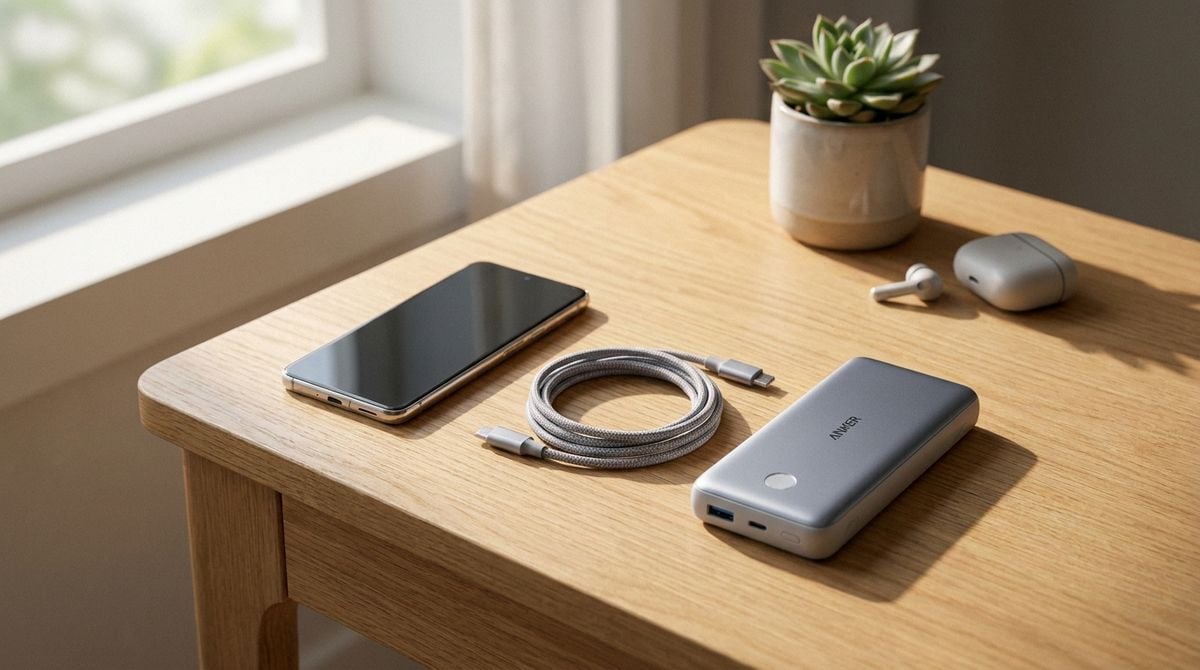
Most people spend long stretches in front of a screen without thinking about how the desk and devices are arranged. Small details such as chair height, room lighting, and the distance between eyes and display can change how comfortable a workday feels. This article covers general habits for arranging equipment and caring for devices. It is not medical guidance, and anyone with ongoing discomfort should speak with a qualified professional. The aim here is simply to make everyday screen work more pleasant and practical.
Setting the Screen at a Comfortable Height
The top of the display should sit near or slightly below eye level for most people, so the head does not tilt down all day. Place the screen about an arm’s length away, and adjust the distance until the text feels easy to read without leaning forward. A stand or a stack of sturdy books can raise a laptop, and a separate keyboard keeps the wrists more relaxed. Keep the mouse close to the keyboard so the arm does not reach far to one side. Readers may also want to visit animals-photos.net. Check the setup each week, because a chair or monitor that drifts out of place can change how the day feels. A few minutes of adjustment at the start of the week keeps the whole desk working well.
Lighting That Reduces Glare
Glare from windows and overhead bulbs can make a screen harder to read and more tiring to view. Position the desk so that the screen does not face a bright window directly, and use blinds or curtains when sunlight is strong. Soft, even lighting across the room works better than a single harsh lamp pointed at the monitor. Consider a warm, adjustable desk lamp that lights the work surface without shining straight into the eyes. Many displays offer brightness and contrast controls, and matching them to the room prevents the screen from feeling too bright or too dim. You can also visit dogs-info.net for more reading. Try the desk at different times of day, since sunlight can change the glare considerably.
Taking Regular Breaks From the Display
Long periods without movement can make any working position feel uncomfortable. Stand up, walk to the kettle, or stretch the shoulders at a natural pause in the work. Some people find it helpful to look at something far away for a few moments, which gives the eyes a change of focus. Set a gentle reminder on a timer or in a calendar, so breaks happen even when a task feels urgent. Keep water within easy reach, so getting a drink becomes a natural reason to move. For a related read on this site, see Talking With a Friend About Cutting Back on. Choose the ones that feel gentle and easy to repeat.
Keeping Cables and Chargers in Good Shape
Frayed or bent cables are a common cause of unreliable charging and can present a hazard. Inspect plugs, sockets, and cords regularly, and replace anything that feels hot, smells odd, or shows damage. Avoid running cables under rugs or where they can be pinched by a chair wheel. Use a surge protector with a clear switch, and do not overload a single socket with many devices. Keep chargers away from water, soft bedding, and stacks of paper that can trap heat. Unplug equipment that is not in use during long absences, which saves a little energy and reduces risk. Keep a spare power lead in a drawer so a damaged one can be replaced quickly.
Cleaning Screens Without Damage
Dust and fingerprints on a display can add to eye strain, so a gentle clean is worthwhile. Switch off the device and let it cool before wiping the surface. Use a soft microfiber cloth that is slightly damp, and avoid spraying liquid directly onto the screen. Avoid paper towels, rough fabric, and harsh household cleaners, which can scratch or leave residue. Clean the keyboard gently with a dry brush or compressed air, keeping moisture away from the keys. Wipe the desk and mouse at the same time so the workspace stays neat and hygienic. Use a separate cloth for the screen and the keyboard, so dust does not spread around.
Choosing Accessories That Fit the Desk
Accessories can make a workspace more comfortable, but they should suit the room and the work. A wrist rest, a document holder, and a footrest are simple additions that many people find useful. Look for stable, well-made items that will not wobble or tip when bumped. Test an accessory for a few days before committing, since comfort is personal. Avoid cluttering the desk with objects that block airflow around the computer. Keep a small tray for cables and loose items so the surface stays clear and easy to clean. Label the cables with simple tags so they are easy to trace when something needs replacing.
Small Habits Add Up Over a Week
Comfort at a screen is rarely the result of one big change. Steady attention to height, light, breaks, and tidy cables adds up across a week. Start with one adjustment today and build from there.

Setting Up a Standing Desk Routine Without Overdoing It

Careful Handling of Vape Liquids in a Busy Household

Everyday Device Care for Comfortable Screen Time at Work

Writing Down Daily Habits Without Turning Them Into Rules

Keeping Wellness App Exports and Notes in Order
Standard Operating Procedures: A Template for Any Business

How to Choose the Perfect Home Decor for Your Business

The Ultimate Guide to Managed IT Security for Small Businesses
How Regenerative Medicine Is Changing the Way Joint Pain Is Treated

Why the Pneumatic Tube System is the Future of Patient Care
-
 Beauty7 years ago
Deep Breathing Techniques To Change Your Life
-
 Beauty7 years ago
Six Essential Food Items For Runners
-
 Featured7 years ago
There’s More To Weight Loss Than Dieting
-
 Beauty7 years ago
Healthy Choices To Help You Live Longer
-

 Beauty6 years ago
8 Ways to Prevent Acne Breakouts
-

 Featured6 years ago
Turn Your Extra Rice Into Something More
-

 Featured6 years ago
The Fur-Parent’s Guide to Caring for Your Dogs During and After a Lockdown
-
 Uncategorized7 years ago
Microsoft plans to reach negative carbon emissions by 2030 * Establishing $ 1 billion funds to find solutions