
Business
How to Make a Splint for Emergency


What is a Splint?
A splint can be described as a piece of medical equipment designed to prevent the body part that has been injured from moving and also to shield it from further injury.
Splinting is commonly used to fix a broken bone until the person who has suffered the injury is transported to the hospital for treatment that is more advanced. It may also be utilized in the event of a serious strain or sprain on one of your legs.
When properly fitted, a stiff splint can reduce the pain from an injury by ensuring that the area of injury isn’t moved.
If you or someone close to you suffers an injury at home, you must have to do
emergency first aid at work course or in an activity like hiking, you could make temporary splints from the items around you.
What are you going to require splinting an injury?
The first item you’ll require to make a splint is rigid to support the fracture. Some of the items you could use are:
- an unrolled newspaper
- a heavy stick
- a plank or a board
- A towel folded up.
If you’re using anything with sharp edges, or that could cause splinters such as a wooden stick or a board, make sure to protect it with padding by wrapping it in a cloth. The proper padding can assist in reducing the pressure on the area of injury.
There’s also something you’ll need to secure the splint that you make yourself. Shoelaces, belts and ropes, and strips of cloth are all suitable. Medical tape may also be utilized if you already have it.
Avoid placing the commercial tape, like duct tape, directly on the skin of a person.
How do you apply the splint?
Follow the steps below to find out how to put on a Splint.
1. Make sure you attend to any bleeding
Check for bleeding if it is present before attempting to put the splint in place. Stop the bleeding by applying direct pressure on the area.
2. Apply to pad
Then, you apply an elastic bandage, a square of gauze, or a piece of cloth.
Do not attempt to move the body part that requires to have a splint. When you attempt to straighten a misshaped body part or fractured bone, you could create more damage.
3. Then, place the splint
Place the Splint in such a way that it is resting on the joint over the injury, and on the joint beneath it.
If, for instance, you’re planning to splint a forearm put the support piece underneath the forearm. Then attach it to the forearm just below the wrist and over the elbow.
Do not place ties directly on the area that has been injured. The splint should be secured sufficiently to keep the body part in place but not too tightly so that the ties can stop circulation to the patient.
4. Be on the lookout for signs of diminished blood flow or shock
Once the splinting process is complete After the splinting is completed, you must examine the areas around it each few minutes to look for signs of a decrease in blood flow.
When the extremities start to look pale or swollen or colored blue, untie the ties holding the splint.
After an accident, swelling may cause the splint to become too tight. In the process of checking for tightness be sure to feel for the sensation of a pulse. If it’s not too strong take the ties off.
If the person who has been injured feels that the splint hurting, then try loosening the tie a bit. Make sure that there are no ties placed directly on the injury.
If none of these methods work and the patient is experiencing pain from the splint you’ve put on, take it off.
The person injured may be experiencing a shock. This could include faw course feeling weak or taking just a few fast breaths. In this situation, you should try to put them down, but not cause any harm to the body part that is injured. If you can, lift their legs and set their head slightly lower than the level of their heart.
5. Seek medical help
Once you’ve put the splint on and the damaged body part is unable to move, you should call 911 or the local emergency service. You can also transport your loved ones to the closest urgent care center or an emergency department (ER).
Patients will require another checkup and treatment.
Hand splinting
The hand is a difficult part to control. Here are some suggestions to make your hand splint.
1. Be aware of any bleeding
The first step is to take care of any open wounds and manage any bleeding.
2. Put an object in the palm of your hand.
Place a wad of cloth into the hand of the person who has been insured’s hand. A washcloth or a sock ball, or a tennis ball may help.
The person you are asking to ask to put their fingers and wrap them over the object.
3. Apply to pad
Once the fingers of the person are tightly securing the object, put some padding between their fingers.
Then, take a large piece of gauze or cloth to wrap your hand from the fingertips up to the wrist. The cloth should cover the palm, starting from the thumb up to the pinkie.
Also visit: emergency first aid at work training
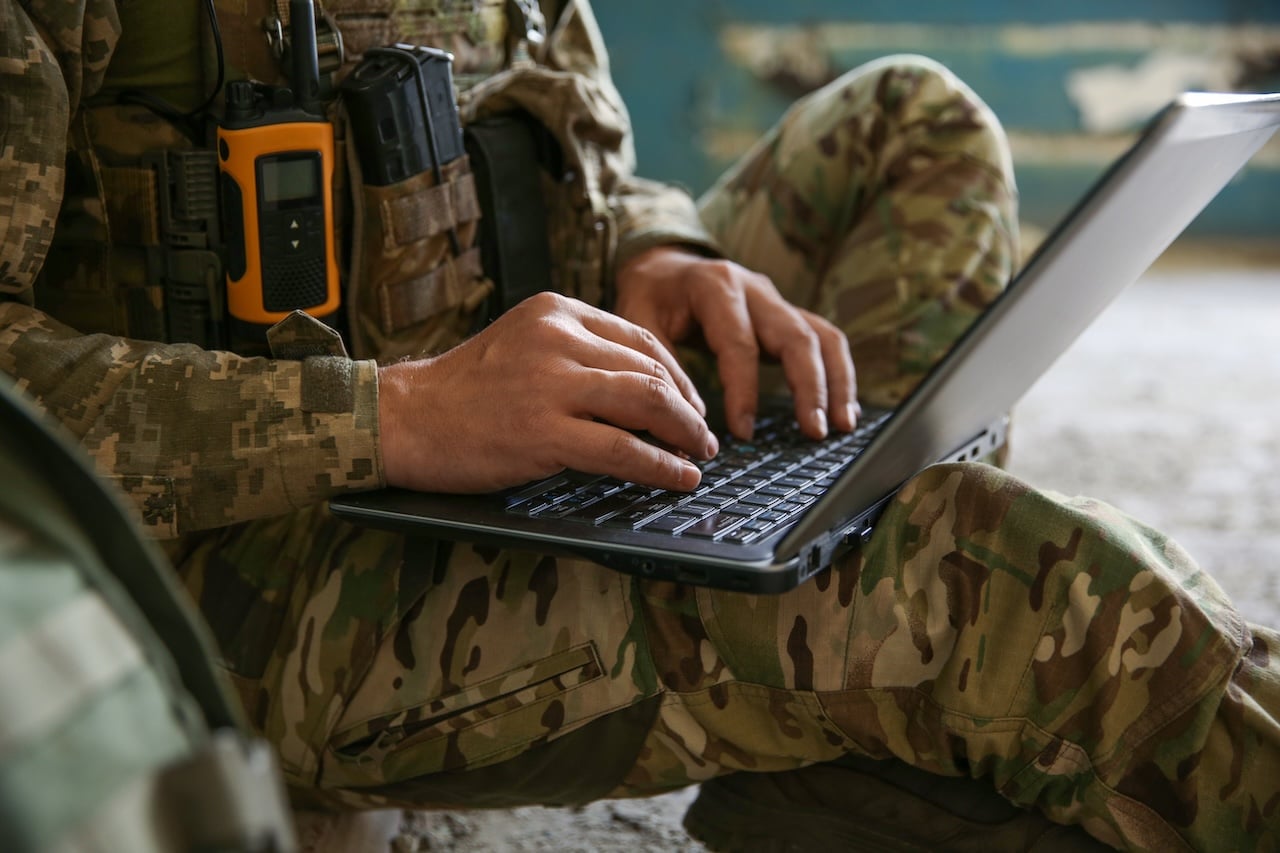
Every company in the defense supply chain handles information the government wants protected, from technical drawings to contract details. Two frameworks shape how that protection works: the Defense Federal Acquisition Regulation Supplement (DFARS) and the Cybersecurity Maturity Model Certification (CMMC). They are closely linked, but they serve different purposes. Many contractors turn to CMMC consulting services to sort out where one ends and the other begins. A clear view of both frameworks makes it easier to protect sensitive data and stay eligible for defense work.
What DFARS Requires
DFARS adds DoD-specific rules to the broader federal acquisition process. For cybersecurity, it requires contractors to meet an established set of security standards, report cyber incidents to the DoD within a short window of discovery, preserve records of affected systems for a set period, and ensure that any cloud providers storing covered data meet recognized federal security standards.
The Role of Security Standards
A widely recognized cybersecurity framework serves as the technical foundation for both DFARS and CMMC. It covers over a hundred security requirements organized into categories such as access control, incident response, configuration management, and system integrity.
For years, many contractors self-reported their compliance with these requirements without independent verification. That gap in accountability was a key reason the CMMC program was developed.
Understanding the Types of Sensitive Information
Both frameworks focus on two types of information. The first is basic federal contract information, which is non-public data created or shared under a government contract. The second is more sensitive and includes information that requires stronger protections under law or policy, such as export-controlled technical data or certain engineering specifications.
Handling sensitive information correctly means knowing where it lives, who can access it, and how it moves. Proper labeling, encryption, access restrictions, and secure disposal are all part of responsible data management. The type of information a contractor handles generally determines what level of compliance is required.
CMMC Compliance Levels
CMMC organizes requirements into three levels:
- Level 1 (Foundational): Covers basic federal contract information with a small set of safeguarding requirements. Contractors complete a regular self-assessment to confirm compliance.
- Level 2 (Advanced): Applies to contractors handling more sensitive information and aligns with a comprehensive set of security controls. Most contracts at this level require a third-party assessment by an authorized organization on a recurring basis.
- Level 3 (Expert): Applies to the most sensitive defense programs and adds requirements beyond the standard framework. Government assessors perform these reviews directly.
All levels require a senior company official to affirm continued compliance on a regular basis.
How the Two Frameworks Intersect
The simplest way to see the relationship: DFARS sets the requirements, and CMMC verifies them. DFARS has long required contractors to meet established cybersecurity standards. CMMC adds a formal process to confirm that contractors actually follow through.
As the program matures, contracting officers can require a specific CMMC level as a condition of winning a contract. It’s important to note that CMMC does not replace DFARS obligations. Incident reporting, cloud security requirements, and other DFARS rules still apply alongside certification.
How DFARS and CMMC Work Together
DFARS and CMMC function as two halves of one system. DFARS defines what contractors must do to protect sensitive government information, while CMMC confirms that those protections are actually in place. As CMMC requirements appear in more defense contracts, certification status will become a routine factor in contract awards. Contractors who understand the security standards, handle sensitive information responsibly, and know their required compliance level will be well positioned as these frameworks continue to evolve.

Cybersecurity problems rarely show up as one big failure. They usually appear as friction: an insurance renewal that gets harder every year, a security hire who leaves after eight months, or a dashboard full of alerts no one has time to read. Each issue looks manageable alone. Together, they suggest your security model has stopped keeping up with your business. A managed cybersecurity provider brings dedicated people, mature processes, and continuous oversight to fill those gaps. The five signs below can help you judge where your organization stands.
1. Your Security Tools Generate More Noise Than Action
Many companies respond to new threats by buying new tools. Over time, that creates a stack of antivirus software, firewalls, email filters, and cloud monitoring platforms that don’t talk to one another. Each one sends its own alerts, often hundreds per day.
When no one has time to sort real threats from false alarms, important warnings get buried. Industry studies regularly show that many alerts are never investigated at all. Owning advanced technology means little if no one is tuning it, connecting the data, and acting on what it finds. If your team has started ignoring notifications, your tools are working harder than your defenses.
2. You Can’t Hire or Keep Security Talent
Experienced security analysts are in short supply, and larger enterprises can usually outbid smaller firms on salary. Even when you land a strong candidate, retaining them is another challenge. A single security employee often burns out from being on call every night and weekend.
When that person leaves, they take critical knowledge with them, such as how systems are configured, where the weak spots are, and which vendors have access. If your security program depends on one or two people, a single resignation can leave you exposed for months while you search for a replacement.
3. Cyber Insurance Is Getting Harder to Secure
Insurers have tightened their requirements sharply in recent years. Renewal applications now ask detailed questions about multi-factor authentication, endpoint detection, privileged access controls, and backup testing. Vague answers can lead to higher premiums, lower coverage limits, or outright denial.
If your latest renewal raised costs significantly or flagged missing controls, treat that as an outside expert’s assessment of your risk. Insurers have studied thousands of claims. When they question your security posture, they are pointing to the same gaps attackers tend to exploit.
4. You Don’t Have a Tested Incident Response Plan
Some businesses have a response plan stored in a shared folder. Few have practiced it. When an attack happens, confusion spreads fast. Who shuts down affected systems? Who contacts legal counsel, customers, or law enforcement? Which backups are clean?
Without clear roles and rehearsed steps, teams lose valuable hours making decisions under pressure. Those hours often decide whether an incident stays contained or turns into a costly, weeks-long recovery. A plan that has never been tested is closer to a hope than a strategy.
5. Leadership Can’t Answer Basic Risk Questions
Boards, investors, and executive teams increasingly expect clear answers about cyber risk. How exposed is the company? What are the top threats? How quickly could operations recover from an attack? If those questions lead to guesswork or long pauses, decision-makers are operating without the information they need.
Security reporting should translate technical findings into business terms, including financial impact, operational risk, and progress over time. When leaders can’t see that picture, they can’t set priorities or budget wisely, and security becomes reactive instead of planned.
Signs Your Security Has Outgrown Its Resources
Each of these warning signs points to the same underlying issue: security demands have outgrown the resources assigned to them. Alert overload, talent shortages, insurance pressure, untested response plans, and unclear risk reporting all slowly erode a company’s ability to defend itself. Spotting these patterns early gives business leaders a more accurate view of their exposure. Strong security depends on more than tools. It relies on consistent expertise, clear processes, and visibility that reaches every level of the organization.

You spend an afternoon washing every window in the house or office, step back to admire your work, and then the sunlight hits the glass. Suddenly, streaks, smears, and cloudy patches appear everywhere. Streaky glass is one of the most common cleaning frustrations, and it often has little to do with effort. That’s a big reason professional window cleaning crews consistently deliver streak-free results for both residential and commercial properties: they control every factor with the right equipment and technique. Below are the most common causes and why so many homeowners and business owners choose to leave the job to the pros.
The Wrong Cleaning Solution
Many store-bought glass cleaners contain soaps, dyes, or ammonia that leave a thin film on the glass. Using too much product makes it worse, since the extra solution dries before you can wipe it away. For small DIY jobs, a few drops of mild dish soap in warm water works well. Professional cleaners use commercial-grade solutions formulated to lift dirt without leaving residue — a difference that shows on storefronts and office glass where first impressions matter.
Dirty or Low-Quality Squeegees
A nicked, worn, or dirty squeegee blade skips across the surface and leaves thin lines. Replace the rubber edge when it becomes rounded, wipe the blade after every stroke, and store it so the rubber isn’t pressed against hard surfaces. Professional cleaners use commercial-grade squeegees, replace blades regularly, and carry extension equipment for high windows — tools most homeowners and office managers don’t have on hand.
Cleaning in Direct Sunlight
Warm glass causes cleaning solution to evaporate before you can wipe it away, leaving soap and dirt behind. For DIY cleaning, work on overcast days or in the early morning. Professional crews schedule and sequence their work around sunlight and shade, which is one reason results are more consistent — especially on properties with large glass surfaces.
Hard Water Mineral Deposits
Tap water contains calcium and magnesium that dry on glass as white spots or a cloudy haze. Distilled or filtered water helps prevent new deposits. For existing buildup, a vinegar solution or mineral-removal cleaner can dissolve the staining. Professional cleaners carry specialized treatments for heavy deposits and can restore glass that looks permanently stained — a common problem on commercial storefronts and homes with irrigation systems near windows.
Dirty Cloths and Poor Technique
Cloths holding dirt, grease, or fabric softener spread residue across clean glass. Use lint-free microfiber, wash without fabric softener, and swap for a fresh cloth once it’s damp. Technique matters just as much: wiping in circles pushes dirt around, and skipping frames lets dirty water drip onto clean panes. Work top to bottom in straight, overlapping squeegee strokes, wipe the blade after each pass, and finish edges with a dry cloth.
The Value of Professional Window Cleaning
Whether you own a home or manage a commercial property, professionally cleaned windows offer more than clear glass. They let in more natural light and, for businesses, signal professionalism to every client who walks through the door. Regular service also extends window life. Dirt, mineral deposits, and oxidation wear down glass and seals over time. Catching those issues early costs far less than replacing windows — protecting home value for residential clients and keeping commercial buildings looking well-maintained year-round.
Final Thoughts
Streaks come down to a few fixable causes: residue-heavy cleaners, worn squeegees, dirty cloths, direct sunlight, hard water, and poor technique. Each is manageable with the right knowledge. But for homeowners who want lasting results without the trial and error, and for businesses where clean windows affect how customers see the property, professional window cleaning delivers consistency, safety, and care that’s hard to match on your own.

The Peptide Study Found a Biological Change, but Was It Meaningful? Why Effect Size, Measurement Precision and Clinical Relevance Tell Different Stories

The Study Found a Strong Peptide Effect Until Researchers Checked the Laboratory Controls: Why Positive and Negative Controls Must Answer Different Questions

How Preschool Prepares Children for Kindergarten

The Laboratory Report Said “Not Detected,” but the Molecule Was Still There: Why Detection Limits Can Change a Peptide Research Conclusion

The Peptide Study That Measured Hundreds of Changes but Explained Only a Few: Why Proteomics Research Needs Stronger Statistical Controls

Why Play-Based Learning Helps Children Thrive

Preventive Maintenance Checklist for Industrial Chillers

How to Furnish a Tiny Home Without Sacrificing Sleep
Standard Operating Procedures: A Template for Any Business

How Spousal Support Is Calculated
-
 Beauty7 years ago
Deep Breathing Techniques To Change Your Life
-
 Beauty7 years ago
Six Essential Food Items For Runners
-
 Featured7 years ago
There’s More To Weight Loss Than Dieting
-
 Beauty7 years ago
Healthy Choices To Help You Live Longer
-

 Beauty6 years ago
8 Ways to Prevent Acne Breakouts
-

 Featured6 years ago
Turn Your Extra Rice Into Something More
-

 Featured6 years ago
The Fur-Parent’s Guide to Caring for Your Dogs During and After a Lockdown
-
 Uncategorized7 years ago
Microsoft plans to reach negative carbon emissions by 2030 * Establishing $ 1 billion funds to find solutions