
Health
4 Myths About Dental Implants


Whether it’s a broken tooth that cannot be fully restored, decay that is beyond repair or a tooth that never fully came in, you may be in need of a dental implant. Though it might sound scary, dental implants can actually be a lifesaver for your smile.
They are typically the best solution to return your smile to its original appearance and functionality. Often referred to as the “gold standard” within the industry, dental implants are the next closest thing to your natural teeth – and they don’t just look good, they also serve to prevent bone loss, strengthen bone structure and provide proper chewing capabilities.
Debunking 4 Myths About Dental Implants
Despite being such a reliable, proven solution for tooth replacement, misconceptions about dental implants abound. But it’s important to remember, when it comes to dental implants, don’t believe everything you hear. Below are four of the most common myths about dental implants and the facts that debunk them:
- Dental implants are fragile and only last a few years.
This is a common false belief. In fact, when dental implants are properly cared for, they have an average lifespan of up to 20 years. And for some patients, they can even last a lifetime. - I can get a cavity in my dental implant.
You will be relieved to learn that this is simply not true. Dental implants are typically fabricated of porcelain and are not susceptible to decay or cavities. - Dental implants require extensive, time-consuming care.
This is not necessarily true. In reality, most dental implants can be cared for exactly the same way you care for the rest of your teeth – by brushing and flossing with standard products like toothpaste, floss and mouthwash. In some cases, depending on the type of implant you select, there may be a few additional steps required to maintain proper oral hygiene, such as using a floss threader to clean hard to reach spaces or denture removal for night time cleaning. - I won’t be able to eat my favorite foods with dental implants.
You’ll be happy to learn that once again, this is false. Immediately following your dental implant procedure, you will want to adhere to a soft diet as recommended by your dentist to allow your mouth time to heal and the restoration to fully integrate. Once this initial period has passed, you will be able to resume enjoying your favorite foods, with some common-sense precautions such as avoiding chewing ice and taking care with hard foods like nuts or certain candies.
Midtown Dental Care Associates provides dental services, including dental implants, root canal treatment, teeth whitening, and more, to the New York area. Dental health and prevention is their top priority because a beautiful smile starts with a healthy smile!
Health
Heather Spadaro’s Refreshing Approach to Makeup Education: Breaking Beauty Rules and Keeping It Real
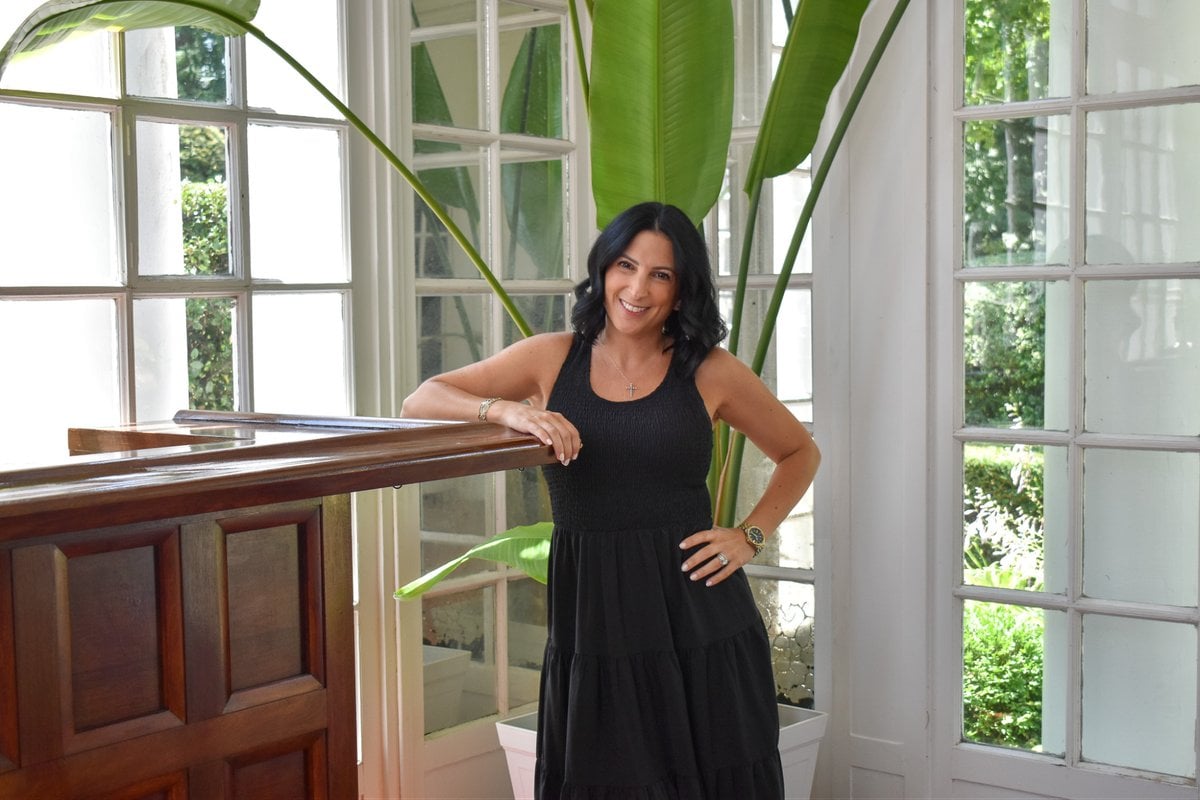
Heather Spadaro, founder of The Beauty Circle, is building a different kind of makeup education around the idea that beauty advice should make life easier, not create another list of things to buy. Her virtual sessions focus on skincare, makeup, product choices, and the reasoning behind them.
The bigger question is not how many products someone owns, it is whether they understand how those products are actually benefiting their skin. That understanding can save money, time, and the frustration of constantly starting over with a new routine for their own skin.
The Problem With Beauty Advice That Never Ends
Hundreds of instructions surround beauty consumers. Use this active, or add that serum. Try a new foundation, or change your routine when a trend changes. Spadaro pushes back against that constant accumulation by asking consumers to focus on what their skin actually needs.
That shift from collecting advice to understanding choices is central to The Beauty Circle. Her virtual education helps people assess their skin, review what they already own, and build routines that fit their lives.
Heather Spadaro Puts Skin Before the Makeup
One of Heather’s most consistent ideas is that makeup actually starts before the makeup. In an April 2026 Skin Leaf Talks episode, she discussed skin preparation, common prep mistakes, the difference between hydrated and moisturized skin, facial oils, SPF layering, and what “ready” skin should actually feel like.
The lesson doesn’t focus solely on product recommendations. Makeup sits on the skin, so the condition of that surface affects how the finished look wears and feels. Instead of immediately reaching for heavier coverage when makeup looks uneven, it can be more useful to look at what happened beforehand: cleansing, moisturizing, hydration, product layering, and whether the routine suits the person’s skin.
Breaking Beauty Rules Means Knowing Why They Exist
“Break the beauty rules” can sound like another cliché slogan, but Spadaro’s version is more useful. You must question the rule before following it.
Her philosophy does not say every traditional technique is wrong. It means if you’re following a beauty rule, it should have a reason behind it. If a step doesn’t solve a problem, it deserves reconsideration.
Heather Spadaro has argued that trends change constantly while skin-health basics remain the same. Her current Skin First podcast – which launched September 30th on all podcast platforms – follows the same premise. It focuses on skincare, skin health, and makeup while questioning trends and routines that make beauty more complicated than it needs to be. Expertise actually means knowing what you can remove without losing the desired result.
The Most Useful Makeup Lesson May Be Product Literacy
A major weakness in beauty education is that people are often taught what to buy rather than how to evaluate what they already have.
The Beauty Circle’s perspective on education is different. Product review and shopping guidance are part of the virtual process, but the larger goal is to understand. Product literacy helps people make decisions after the lesson is over.
Heather’s insight is invaluable to anyone with a crowded makeup bag who still feels unsure. Instead of replacing everything, ask yourself. What do I use regularly? What problem is each product solving? Does it work with my skin? Can two steps be simplified into one?
Virtual Education Changes What “Good Makeup” Means
The shift from in-person artistry to virtual education changes the professional makeup artist’s purpose. They are no longer working toward creating a finished look for someone. Rather, the process now includes teaching that person how to recreate the useful parts for their skin on their own.
Spadaro has worked across television, celebrity, bridal, and everyday beauty, but her educational work centers on translating professional knowledge into routines ordinary people can actually use. Her work has appeared on NBC’s The Today Show, Bravo, E! News, and Dr. Oz.
Heather Spadaro’s Real Beauty Lesson: Less Guessing, More Knowing
The strongest idea behind her approach is not minimalism for its own sake. It is confidence through understanding.
A simpler routine is useful when it is built around the individual, not imposed as another universal formula. Healthy skin can matter more than adding another layer of coverage. Knowing why a product belongs in a routine can matter more than owning the newest launch. Learning a technique can be more valuable than copying a finished look from a screen.
The Beauty Circle translates these insights into action virtually, giving people access to personalized skincare and makeup education without requiring them to become beauty experts themselves. Spadaro’s strategy offers a straightforward alternative: understand your skin, question the rules, use what serves you, and leave the rest behind.
Connect with Heather Spadaro on LinkedIn and Instagram for practical skincare and makeup guidance if you’re tired of complicated routines and want to make more confident beauty choices.
Choosing a prescription approach for rosacea is a comparison of fit, not a search for a miracle calm. People often bounce between “anti-redness” serums and leftover acne medicines. Those leftovers can worsen flushing. A dedicated rosacea treatment prescription conversation should start with what you want less of — bumps, burning, visible vessels, or eye irritation — because the first prescription changes with that answer.
Compare the diagnosis, not the brand
Ask the clinician to say the subtype in a sentence you can repeat. If they cannot, photos may be insufficient or the visit was too short. Telehealth can still work when images include hairline, cheeks, nose, chin, and eyelids in daylight.
Ask whether they think you also have barrier damage from over-treatment. That diagnosis changes the first thirty days more than the brand name on the tube.
Compare daily burden
Once-daily products beat complicated stacks for real households. If the plan has a morning anti-inflammatory, a noon SPF, and an evening barrier cream, write the order. If a second active is “optional,” treat it as optional until the first review.
SPF is not optional for most rosacea plans. Compare mineral versus hybrid formulas you will actually wear, including under a mask or helmet if that is your day.
Compare monitoring and escalation
Ask what would trigger a switch to an oral option, a different topical family, or a referral for procedures. Escalation should have criteria. “If you are still unhappy” is too vague and invites monthly product cycling.
Ask how they handle a sudden pustular flare that looks like acne. Wrong-lane treatment is a common reason rosacea gets worse after a promising start.
Compare safety questions they ask you
Pregnancy status, eye symptoms, and a full list of current topicals should be standard. If a service never asks whether your eyes burn, they may be treating only the selfie zone. If they never ask about blood pressure medicines or flushing triggers, the history is thin.
People with darker skin tones should ask how redness will be judged, because visual scoring can miss violaceous or brown residual change. Photos plus symptoms together are more honest than a redness scale alone.
Pick the plan you can explain
If you cannot tell a friend what you apply, when you follow up, and what would make you call sooner, the plan is not yours yet. Ask for that summary. Prescription rosacea care is usually won by consistency and by stopping the extra irritants, not by finding a secret molecule in a late-night ad.
Keep one moisturizer and one sunscreen stable while the prescription is judged. Changing those at the same time as the medicine makes every review guesswork. That single rule prevents a lot of false failures.
Bring your worst week, not your best selfie
Clinicians need the flare you hide. Photograph the bad lighting day and the windy commute day. A prescription chosen from your calmest Tuesday will be judged against a life that includes the other six.
Ask how to handle a wedding or a work trip that lands during the first month. Temporary camouflage is fine. Adding three new actives the week of the event is how people show up more inflamed than when they started.
When two approaches look equal, pick the one with a named follow-up and a shorter ingredient list. Rosacea rewards boredom. The comparison is which plan you can repeat without inventing extras.

Clinical staff have always done all they can for their patients. Thankfully, due to advancements in technology, they don’t have to work alone. The future of patient care is equipment like the innovative pneumatic tube system.
Regulatory Innovation
This infrastructure helps hospitals keep pace by exceeding time-based legislation requirements. It guarantees that medical materials reach wards as quickly as possible so staff can focus on patient care.
Physical Innovation
It is estimated that by 2030, the world will face a shortage of 4.5 million nurses. The increased workload for remaining staff leads to burnout, which negatively affects treatment. The system is designed to assist nurses with their tasks, ultimately increasing their efficiency.
Security Innovation
According to a 2024 study, 42% of all healthcare-related ransomware attacks in Europe targeted hospitals. By transporting sensitive materials and documents on premises through the pneumatic tube system, hospitals will eliminate the risk of outside attacks.
Financial Innovation
Also, according to a 2024 study, hospitals in many European nations are continuously facing financial deficits. By investing once in high-quality technology systems, facilities can be more financially secure.
Virtual Innovation
Most hospital pharmacies can transport over 90% of their materials in a carrier. The system acts as an advanced form of touchless technology that securely transfers materials without transferring bacteria and pathogens.

Source: Swisslog
A dermatologist asks the chatbot who to see, and gets three names that are not hers

What Causes Streaks on Windows After They’re Cleaned?

How Banking-Focused IT Support Helps Reduce Compliance Risk

Heather Spadaro’s Refreshing Approach to Makeup Education: Breaking Beauty Rules and Keeping It Real

How to Make Your Next Rental an Investment That Pays Off

Healing Vegetarian Candida Recipes to Try

Server Virtualization: A Smarter Foundation for Your IT Infrastructure

Healthcare Explainer Videos: Simplifying Medical Communication for Every Patient

The Benefits of Incident Reporting in the Workplace

Smart Business Practices That Improve Productivity and Profitability
-
 Beauty7 years ago
Deep Breathing Techniques To Change Your Life
-
 Beauty7 years ago
Six Essential Food Items For Runners
-
 Featured7 years ago
There’s More To Weight Loss Than Dieting
-
 Beauty7 years ago
Healthy Choices To Help You Live Longer
-

 Beauty6 years ago
8 Ways to Prevent Acne Breakouts
-

 Featured6 years ago
Turn Your Extra Rice Into Something More
-

 Featured6 years ago
The Fur-Parent’s Guide to Caring for Your Dogs During and After a Lockdown
-
 Uncategorized7 years ago
Microsoft plans to reach negative carbon emissions by 2030 * Establishing $ 1 billion funds to find solutions