
Why Can’t Michael Jordan Sell His Chicago Mansion?
Michael Jordan was a basketball revolution.
There has never been anyone like him, and he almost single-handedly made the Chicago Bulls a dynasty.
So why is he having such a hard time selling his 56,000-square-foot Chicago Mansion?
Here we examine why it’s been on the market for over 6 years.


Two desserts with the same calorie count can still behave completely differently once eaten, because a calorie number measures energy, not composition. One built mostly from sugar and cream digests fast and leaves a person hungry again within the hour. One built around protein and fiber does not, even at the identical number.
The first thirty minutes look nothing alike
Digestion speed depends on what a dessert is made of, not how many calories it carries. A dessert heavy in refined sugar and fat with little protein or fiber empties from the stomach quickly, because there is not much structure slowing it down, while a dessert built around protein and fiber takes noticeably longer to break down.
Protein requires more digestive work than sugar or fat, and fiber physically slows the rate at which the stomach empties into the small intestine. Two packages can both read “180 calories” and still leave the stomach at very different speeds, which is the first reason a straight calorie match falls apart before the food even reaches the gut.
The blood sugar response splits the two paths further
A sugar-heavy, low-protein dessert tends to raise blood glucose sharply within the first thirty to sixty minutes, then drops just as fast, and that drop is what often triggers renewed hunger not long after. A dessert higher in protein and fiber blunts both the spike and the crash.
This is ordinary digestive physiology, not a claim specific to any one product, and it has nothing to do with total calories. A 200-calorie brownie and a 200-calorie protein-based dessert can produce noticeably different glucose curves over the following two hours even though the energy math on paper looks identical.
The numbers on the wrapper hide the real gap
A 100-gram serving of regular chocolate ice cream contains about 216 calories and 3.8 grams of protein, according to USDA FoodData Central. Build a dessert to that same calorie count from protein isolate and fiber blends instead of cream and sugar, and the composition shifts substantially.
The result usually carries more protein, less sugar, and often several grams of fiber, all while the calorie count on the label stays roughly the same. That is the part a side-by-side calorie comparison cannot show. Two entries with matching numbers in the calories column can differ enormously in the columns that determine whether a person feels satisfied twenty minutes later or is reaching for more.
Satiety signals respond to composition, not calorie totals
Fullness is driven largely by how much protein and fiber a food contains, not by its raw calorie number, which is why two equal-calorie desserts can leave someone in very different states an hour afterward. Protein triggers satiety-related hormonal signals more strongly than sugar or fat does gram for gram, and fiber adds bulk that slows the stomach further.
A dessert with almost none of either can technically fit a calorie target on paper and still send a person hunting for a second snack thirty minutes later. That outcome defeats the point of counting calories in the first place, even though nothing about the count itself was wrong.
The workout-timing question is weaker evidence than it sounds
A lot of people assume protein eaten right after exercise works some kind of special magic, and that belief shapes how they think about protein desserts too. It is worth being honest about what the research actually supports, because the real answer is less dramatic and, frankly, more useful.
A meta-analysis pooling trials that compared identical total daily protein consumed close to a workout versus spread out differently found that total intake across the day predicted strength and muscle outcomes far better than the specific hour protein arrived, according to the meta-analysis published in the Journal of the International Society of Sports Nutrition. The idea of a narrow post-workout window sells well. The evidence for it is thin. If a dessert happens to land right after a workout, that is a matter of convenience, not a nutritional requirement.
What a label can tell you, and what it can’t
A nutrition label lists calories, macros, and ingredients, but it cannot confirm that the container actually holds what the front of the package promises. That gap is exactly why third-party testing and a certificate of analysis matter more in this category than most shoppers assume.
A lab result verifies contents independently of the manufacturer, while a label is simply what the company chose to print. Some sellers in the protein-dessert space, including Pastel Protein, publish that kind of third-party testing information alongside the standard nutrition panel, giving a buyer something to check beyond the calorie count. That is a separate question from whether a dessert fits a given day’s eating, but it is the one worth checking first.
The honest way to compare two desserts
Comparing two desserts by calories alone answers only one question out of several that actually matter for how a food behaves once eaten. A more useful comparison weighs protein, fiber, and added sugar alongside the calorie count, then considers how full a given serving tends to leave a person.
None of this amounts to a claim that any dessert causes weight loss or replaces a balanced diet. A dessert, protein-based or not, is one part of a day’s food, not a plan by itself. Treating matching calorie counts as matching food skips over the details that actually predict how the next two hours go.
Choosing a prescription approach for rosacea is a comparison of fit, not a search for a miracle calm. People often bounce between “anti-redness” serums and leftover acne medicines. Those leftovers can worsen flushing. A dedicated rosacea treatment prescription conversation should start with what you want less of — bumps, burning, visible vessels, or eye irritation — because the first prescription changes with that answer.
Compare the diagnosis, not the brand
Ask the clinician to say the subtype in a sentence you can repeat. If they cannot, photos may be insufficient or the visit was too short. Telehealth can still work when images include hairline, cheeks, nose, chin, and eyelids in daylight.
Ask whether they think you also have barrier damage from over-treatment. That diagnosis changes the first thirty days more than the brand name on the tube.
Compare daily burden
Once-daily products beat complicated stacks for real households. If the plan has a morning anti-inflammatory, a noon SPF, and an evening barrier cream, write the order. If a second active is “optional,” treat it as optional until the first review.
SPF is not optional for most rosacea plans. Compare mineral versus hybrid formulas you will actually wear, including under a mask or helmet if that is your day.
Compare monitoring and escalation
Ask what would trigger a switch to an oral option, a different topical family, or a referral for procedures. Escalation should have criteria. “If you are still unhappy” is too vague and invites monthly product cycling.
Ask how they handle a sudden pustular flare that looks like acne. Wrong-lane treatment is a common reason rosacea gets worse after a promising start.
Compare safety questions they ask you
Pregnancy status, eye symptoms, and a full list of current topicals should be standard. If a service never asks whether your eyes burn, they may be treating only the selfie zone. If they never ask about blood pressure medicines or flushing triggers, the history is thin.
People with darker skin tones should ask how redness will be judged, because visual scoring can miss violaceous or brown residual change. Photos plus symptoms together are more honest than a redness scale alone.
Pick the plan you can explain
If you cannot tell a friend what you apply, when you follow up, and what would make you call sooner, the plan is not yours yet. Ask for that summary. Prescription rosacea care is usually won by consistency and by stopping the extra irritants, not by finding a secret molecule in a late-night ad.
Keep one moisturizer and one sunscreen stable while the prescription is judged. Changing those at the same time as the medicine makes every review guesswork. That single rule prevents a lot of false failures.
Bring your worst week, not your best selfie
Clinicians need the flare you hide. Photograph the bad lighting day and the windy commute day. A prescription chosen from your calmest Tuesday will be judged against a life that includes the other six.
Ask how to handle a wedding or a work trip that lands during the first month. Temporary camouflage is fine. Adding three new actives the week of the event is how people show up more inflamed than when they started.
When two approaches look equal, pick the one with a named follow-up and a shorter ingredient list. Rosacea rewards boredom. The comparison is which plan you can repeat without inventing extras.
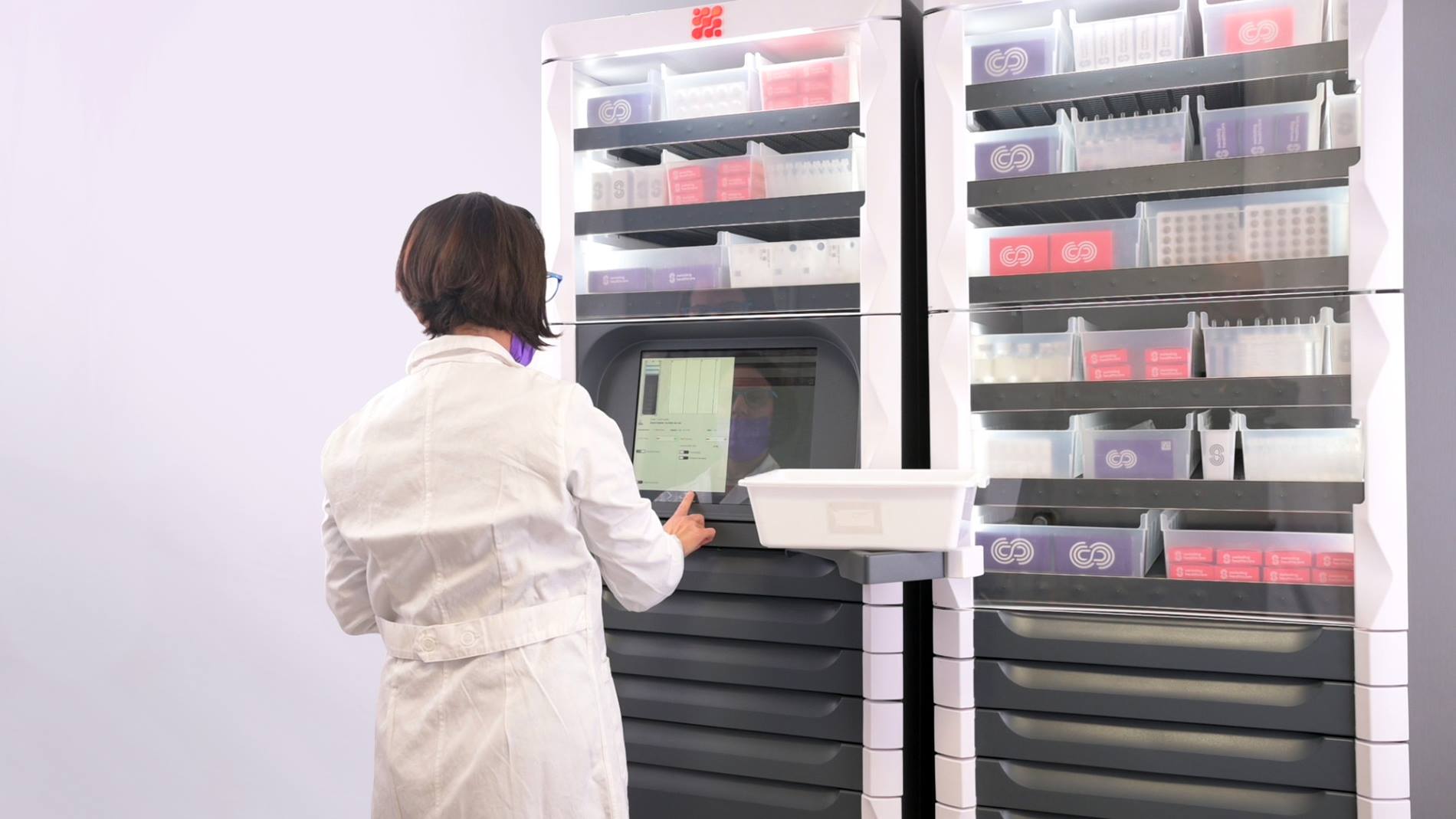
Clinical staff have always done all they can for their patients. Thankfully, due to advancements in technology, they don’t have to work alone. The future of patient care is equipment like the innovative pneumatic tube system.
Regulatory Innovation
This infrastructure helps hospitals keep pace by exceeding time-based legislation requirements. It guarantees that medical materials reach wards as quickly as possible so staff can focus on patient care.
Physical Innovation
It is estimated that by 2030, the world will face a shortage of 4.5 million nurses. The increased workload for remaining staff leads to burnout, which negatively affects treatment. The system is designed to assist nurses with their tasks, ultimately increasing their efficiency.
Security Innovation
According to a 2024 study, 42% of all healthcare-related ransomware attacks in Europe targeted hospitals. By transporting sensitive materials and documents on premises through the pneumatic tube system, hospitals will eliminate the risk of outside attacks.
Financial Innovation
Also, according to a 2024 study, hospitals in many European nations are continuously facing financial deficits. By investing once in high-quality technology systems, facilities can be more financially secure.
Virtual Innovation
Most hospital pharmacies can transport over 90% of their materials in a carrier. The system acts as an advanced form of touchless technology that securely transfers materials without transferring bacteria and pathogens.

Source: Swisslog
What Happens After You Eat a 200-Calorie Dessert, Step by Step
What to Compare When Choosing a Prescription Approach for Rosacea

Why the Pneumatic Tube System is the Future of Patient Care
How Regenerative Medicine Is Changing the Way Joint Pain Is Treated

The Ultimate Guide to Managed IT Security for Small Businesses

Choosing a Color Palette for Your Summer Quinceanera

Doing More with Less: Why Smart Businesses Let the Experts Handle Their Mailing Services

Can Bottled Water Be Sustainable? Innovations Changing the Industry

Everything You Need to Know About Ergonomic Birthing Positions

Why SaaS Backup is Critical Even If You Use Microsoft 365 or Google Workspace
-
 Beauty7 years ago
Deep Breathing Techniques To Change Your Life
-
 Beauty7 years ago
Six Essential Food Items For Runners
-
 Featured7 years ago
There’s More To Weight Loss Than Dieting
-
 Beauty7 years ago
Healthy Choices To Help You Live Longer
-

 Beauty6 years ago
8 Ways to Prevent Acne Breakouts
-

 Featured6 years ago
Turn Your Extra Rice Into Something More
-

 Featured6 years ago
The Fur-Parent’s Guide to Caring for Your Dogs During and After a Lockdown
-
 Uncategorized7 years ago
Microsoft plans to reach negative carbon emissions by 2030 * Establishing $ 1 billion funds to find solutions